News

Industry News

What Makes Diethylene Glycol a Versatile Chemical?13 2025-10

What Makes Diethylene Glycol a Versatile Chemical?

Diethylene Glycol (DEG) is a clear, hygroscopic liquid with a mild odor, widely utilized in industrial processes due to its chemical stability, solvent properties, and compatibility with a wide range of formulations. As a derivative of ethylene glycol, DEG has found applications across multiple industries, including plastics, pharmaceuticals, textiles, and automotive manufacturing. This article explores the functionality, advantages, technical specifications, and future trends of Diethylene Glycol, highlighting its industrial significance and practical applications.
How Does Ethanolamine Work in Industrial and Chemical Applications?10 2025-10

How Does Ethanolamine Work in Industrial and Chemical Applications?

Ethanolamine, often abbreviated as EA or ETA, is a colorless, viscous, and hygroscopic organic compound belonging to the amino alcohol family. It plays a pivotal role across a wide range of industries due to its dual functional groups — an amine (-NH₂) and an alcohol (-OH). This unique molecular structure enables it to act as both a weak base and a versatile solvent, making it indispensable in the manufacture of detergents, emulsifiers, corrosion inhibitors, and pharmaceuticals.
What Is Monoethanolamine?22 2025-09

What Is Monoethanolamine?

In the realm of chemical manufacturing, Monoethanolamine (MEA) stands out as a compound with remarkable versatility and importance. Its unique molecular composition enables it to serve as both a building block and a reactive agent across multiple industries. Whether in gas treatment, detergent production, textile finishing, pharmaceuticals, or cement grinding, MEA has carved out a place as an indispensable material.
What Are the Applications of 2-Butoxy Ethanol in the Chemical Industry?17 2025-09

What Are the Applications of 2-Butoxy Ethanol in the Chemical Industry?

In the global chemical industry, solvents play a pivotal role in driving innovation, ensuring product quality, and supporting large-scale manufacturing processes. One such solvent that has achieved worldwide recognition is 2-Butoxy Ethanol. This compound, also known by its chemical formula C6H14O2 and CAS number 111-76-2, is widely used due to its excellent solvency power, low volatility compared to other solvents, and compatibility with a wide range of materials.
Why Choose Sorbitan Laurate for Safer and Smarter Formulations?15 2025-09

Why Choose Sorbitan Laurate for Safer and Smarter Formulations?

Sorbitan Laurate is a widely used non-ionic surfactant derived from sorbitol and lauric acid, both of which are naturally occurring raw materials. It plays a crucial role in industries that require effective emulsification, stabilization, and gentle surfactant activity without compromising safety standards. Known for its versatility, Sorbitan Laurate is frequently adopted in cosmetics, pharmaceuticals, food, and industrial applications.
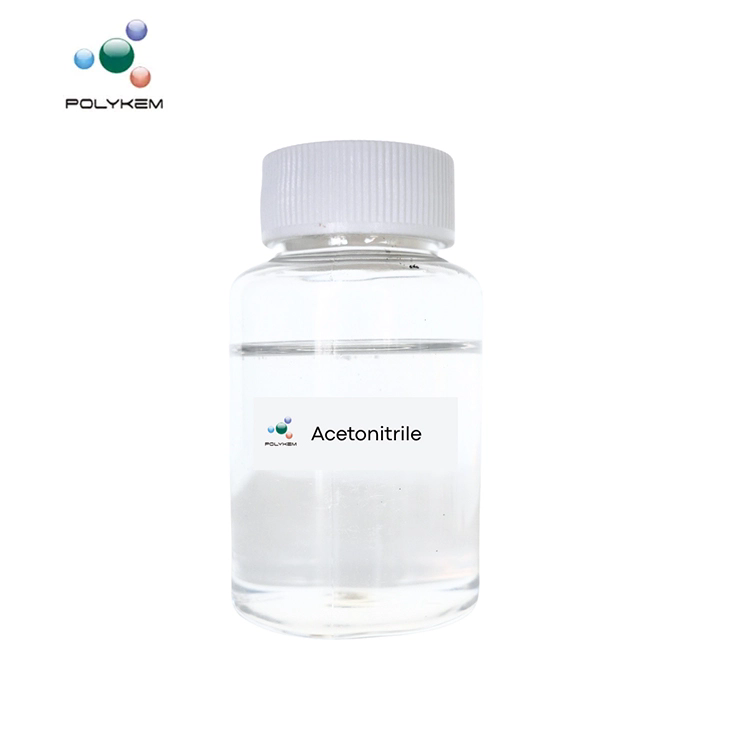
How Can Acetonitrile Enhance Your Industrial and Laboratory Processes?08 2025-09

How Can Acetonitrile Enhance Your Industrial and Laboratory Processes?

Acetonitrile, a versatile organic solvent, has become an essential chemical in laboratories and industries worldwide. Its unique combination of chemical stability, high polarity, and low viscosity makes it an indispensable component for a wide range of applications, from chemical synthesis to pharmaceutical manufacturing.
X
We use cookies to offer you a better browsing experience, analyze site traffic and personalize content. By using this site, you agree to our use of cookies. Privacy Policy
RejectAccept