News

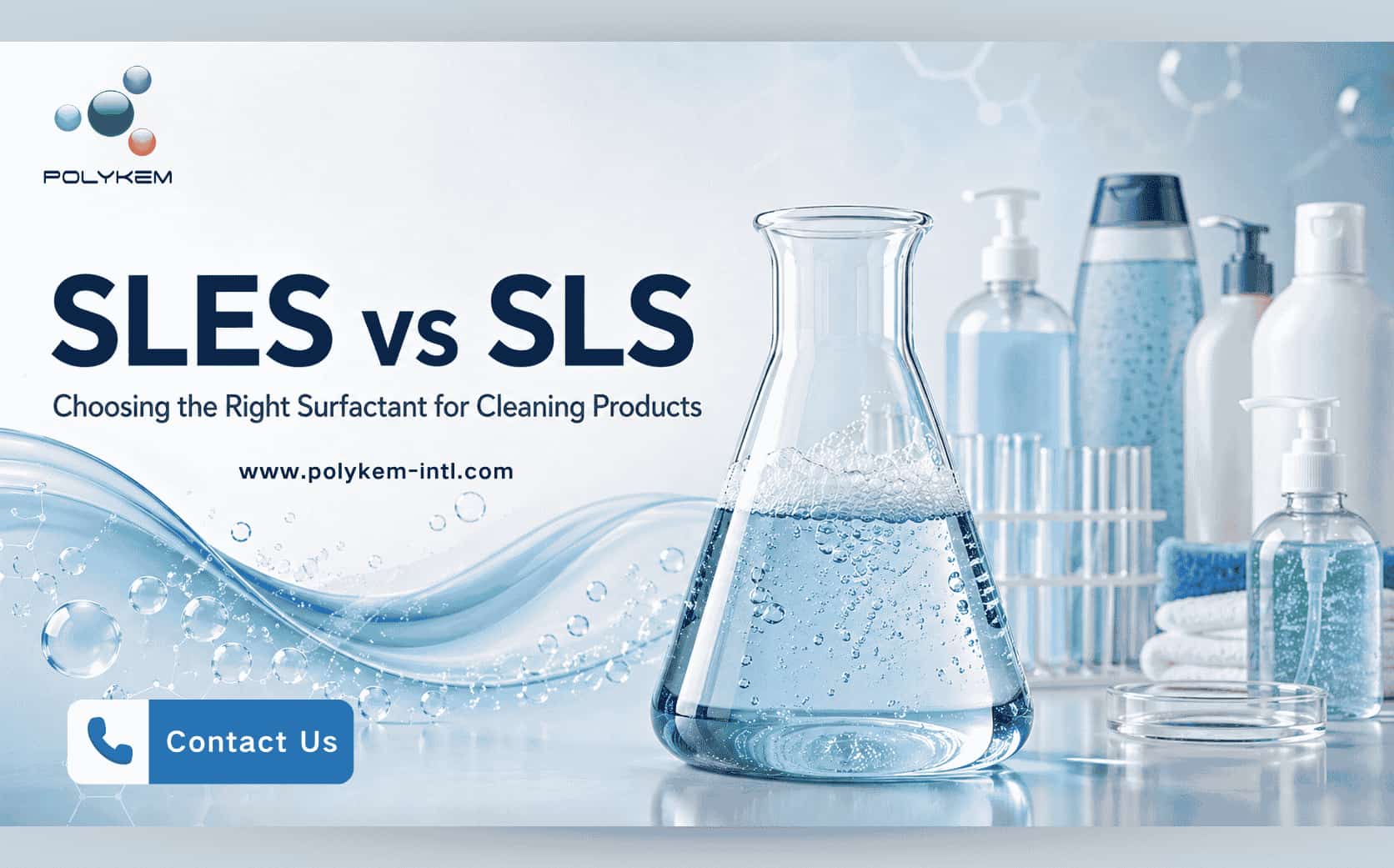
SLES vs SLS: Key Differences, Applications and Selection Guide

2026-04-28 0 Leave me a message


In many detergent and personal care formulas, SLES and SLS are two surfactants that are often compared. They look similar in name, and both can help with foam and cleaning. But in real formulation work, they are not always used for the same purpose.


The difference may show up in foam feel, cleansing strength, viscosity adjustment and how the finished product feels during use. For formulators, the practical question is not simply which one is better, but which one fits the product and the target performance.


What Is SLES?


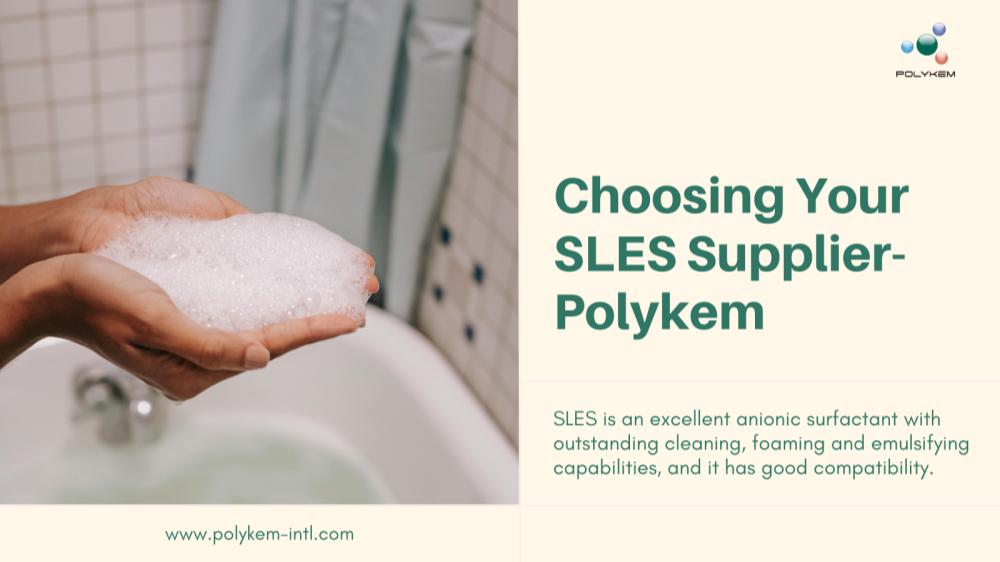
SLES stands for Sodium Lauryl Ether Sulphate, also known as Sodium Laureth Sulfate. It is widely used in rinse-off personal care products, household detergents and cleaning formulations.

In daily chemical products, SLES is often used in shampoo, body wash, hand wash, liquid soap and dishwashing liquid. It is valued for its rich foam, practical cleaning ability and good compatibility with other surfactants.

Because of this balance, SLES is often selected when a formulation needs both foam performance and a relatively mild cleansing profile.

For customers comparing SLES options, Polykem supplies commonly used grades such as SLES 70%, with packaging options including drums, IBC tanks and flexibags for bulk orders.


What Is SLS?


SLS stands for Sodium Lauryl Sulfate. It is also an anionic surfactant and is known for strong detergency and clear foaming performance.

In many cleaning systems, SLS can provide a more direct washing effect. This makes it useful in products where stronger oil removal or cleaning power is required.

For personal care products, however, stronger cleansing is not always the main target. Formulators also need to consider mildness, foam texture, viscosity, skin feel and the full surfactant system.

Polykem delivers dependable sourcing solutions for core surfactant raw materials. Our portfolio highlights premium SLS (K12, >92% active content, low unsulfated matter) and related anionic/amphoteric surfactants optimized for superior detergency and emulsification.


Main Differences Between SLES and SLS


SLES and SLS are close in use, but they do not behave exactly the same in a formula. SLES has an ethoxylated structure, so it is usually easier to work with when a product needs foam, cleaning power and a softer after-feel at the same time.

SLS is more direct in cleaning performance. It can be useful when the formula is designed for stronger washing or degreasing, but it may need more balancing in products that are used often on skin or hair.

Foam is another point to compare. Both can foam well, but SLES is more commonly used in shampoo, body wash and dishwashing liquid where foam feel and formulation balance matter. SLS is more often seen in systems where stronger detergency is the main target.


How to Choose Between SLES and SLS


For shampoo, body wash and hand wash, SLES is usually the easier starting material. It gives foam and cleaning performance, and formulators can still adjust mildness, viscosity and skin feel with other surfactants or additives.

For dishwashing liquid, laundry detergent and general cleaners, the choice depends on the balance the brand wants. SLES is often used when foam and formulation flexibility are important. SLS may be considered when the product needs stronger cleaning power.

For industrial cleaning, the decision is usually more practical. The formula may need degreasing, wetting, controlled foam, lower cost or better compatibility with alkaline ingredients. In these cases, testing in the final formula matters more than choosing by name only.

To make this selection process easier, Polykem supports formulators by providing precise technical data and reliable samples for both SLES and SLS. Whether the target is adjusting foam levels or maximizing degreasing strength, Polykem ensures manufacturers get the consistent materials they need to finalize their formulas and move smoothly into bulk production.


Why Raw Material Consistency Matters


Choosing between SLES and SLS is only the first step. In actual production, formulators also need to consider whether the raw material can stay consistent from batch to batch. Small changes in active matter, salt content or impurity level may affect viscosity, clarity, foam performance and overall formulation stability.

For this reason, Polykem pays attention to specification confirmation before bulk supply. Customers can discuss common requirements such as active matter range, appearance, packaging form and delivery arrangement before placing an order. This helps reduce unnecessary adjustment during formulation testing and regular production.


Conclusion


SLES and SLS are both useful anionic surfactants, but they are not simple substitutes for each other. SLES is often chosen for products that need foam, cleaning performance and better formulation balance. SLS is usually considered when stronger detergency is required.

For formulators, the best choice depends on the product type, target foam, cleansing strength, mildness requirements, cost and the complete surfactant system. Evaluating the full formulation is more reliable than choosing only by product name.


Related Surfactant Products from Polykem


In addition to Sodium Lauryl Ether Sulphate and Sodium Lauryl Sulfate, Polykem also supplies LABSA, AEO series, APG and other surfactant raw materials for personal care, detergent and industrial cleaning formulations. For customers sourcing from a China-based surfactant supplier, Polykem can support specification communication, packaging selection and bulk supply arrangements according to different application needs.


Contact Polykem for SLES and SLS specifications and sample arrangements, or visit the product page for latest pricing.


Related News
Leave me a message
X
We use cookies to offer you a better browsing experience, analyze site traffic and personalize content. By using this site, you agree to our use of cookies. Privacy Policy
Reject Accept