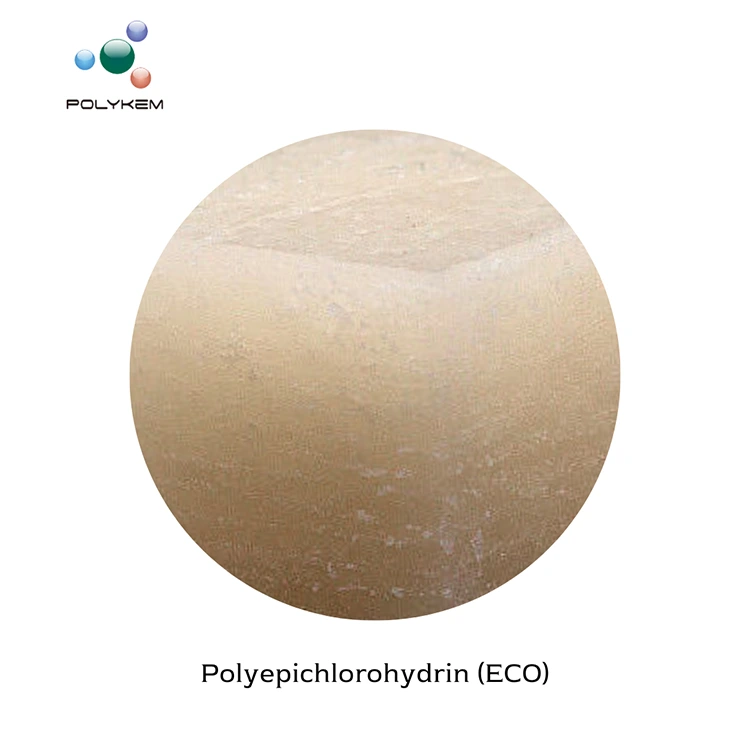
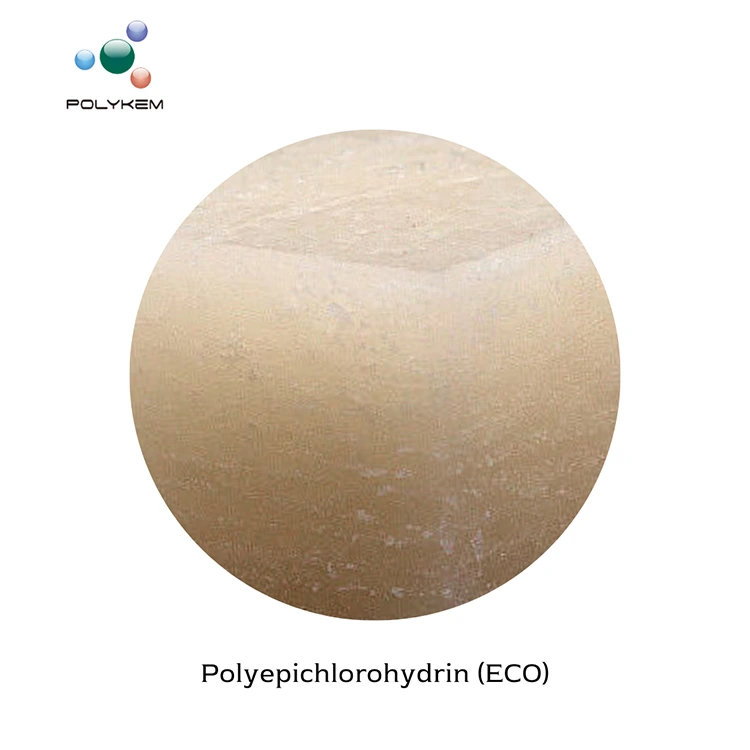
China Polyepichlorohydrin from Polykem, commonly supplied as epichlorohydrin rubber (ECO), is a specialty synthetic rubber offering a practical balance of oil and fuel resistance, heat and ozone resistance, low gas permeability and low-temperature flexibility. Polykem supplies ECO rubber for automotive fuel hoses, seals, gaskets, rollers, diaphragms and other industrial components used in demanding oil- and fuel-contact environments.
As a polyepichlorohydrin and ECO rubber manufacturer, Polykem provides cost-effective material solutions for automotive fuel hoses, seals, gaskets, diaphragms, rollers and other industrial rubber components exposed to oils, fuels, heat and ozone.
With more than 15 years of experience in the rubber industry and international trade, Polykem supports customers throughout the purchasing process—from application review and grade selection to sample supply, technical document support and export delivery.
Customers can share their target application, operating temperature, contact medium, processing method or reference grade with our team. We will help identify a suitable ECO rubber option and provide the corresponding quotation and product information.
Available Grades and Selection Support
Polykem supplies different polyepichlorohydrin and ECO rubber grades for a range of processing and application requirements.
Please provide your target application, operating temperature, contact medium or reference grade. Our team will assist with grade selection, samples, technical documents and quotations.
Key Performance Features
Polykem ECO rubber provides a balanced combination of resistance, flexibility and sealing performance for demanding rubber applications.
Oil and fuel resistance
ECO rubber can be used in parts that are regularly exposed to lubricants, automotive oils or fuel.
Low gas permeability
Its relatively low permeability makes it a practical option for fuel hoses, diaphragms, gaskets and other sealing parts.
Heat resistance
The actual temperature range depends on the grade and compound formulation, but ECO is commonly used in rubber components working under elevated temperatures.
Ozone and weather resistance
It performs well in outdoor and automotive environments where ozone and long-term exposure may affect rubber service life.
Low-temperature flexibility
Some ECO grades are designed to remain flexible in colder conditions.
Vibration damping
ECO can also be considered for rollers, seals and moving rubber parts where vibration and repeated movement are involved.
Main Applications
Polyepichlorohydrin rubber is mainly used in applications requiring a combination of oil and fuel resistance, heat resistance, low gas permeability and reliable sealing performance.
Automotive Hoses
ECO rubber is commonly used in automotive fuel hoses, air hoses and other tubing components. Its resistance to oils and fuels, together with low gas permeability, makes it suitable for demanding automotive hose applications.
Seals and Gaskets
It can be used in oil-resistant seals, gaskets, diaphragms and O-rings that come into contact with lubricants, fuels or elevated temperatures.
Industrial Rollers
ECO rubber is also used in industrial rollers, coated parts and moving rubber components where oil resistance, flexibility and vibration damping are important.
Vibration-Damping Components
In automotive and mechanical systems, this rubber may be used for mounts, bushings and other components exposed to repeated movement, vibration and heat.
Cable Applications
Selected ECO rubber grades may be considered for cable jackets and electrical rubber components requiring flexibility, weather resistance or specific electrical properties. Grade suitability should be confirmed according to the application.
Supply and Service Support
Professional Grade-Matching Support
Different ECO rubber grades vary in polymer structure, viscosity, processing behavior, curing requirements and resistance performance. Our technical and sales teams can help match a suitable grade according to the finished product, working temperature, contact medium, processing method and reference material currently in use.
Free Samples for Product Testing
Free samples can be arranged for laboratory evaluation, formulation trials or initial production testing. Sample availability and quantity are confirmed according to the selected grade and application requirements.
Technical and Compliance Documents
Available product and company documents can be provided for customer review, including:
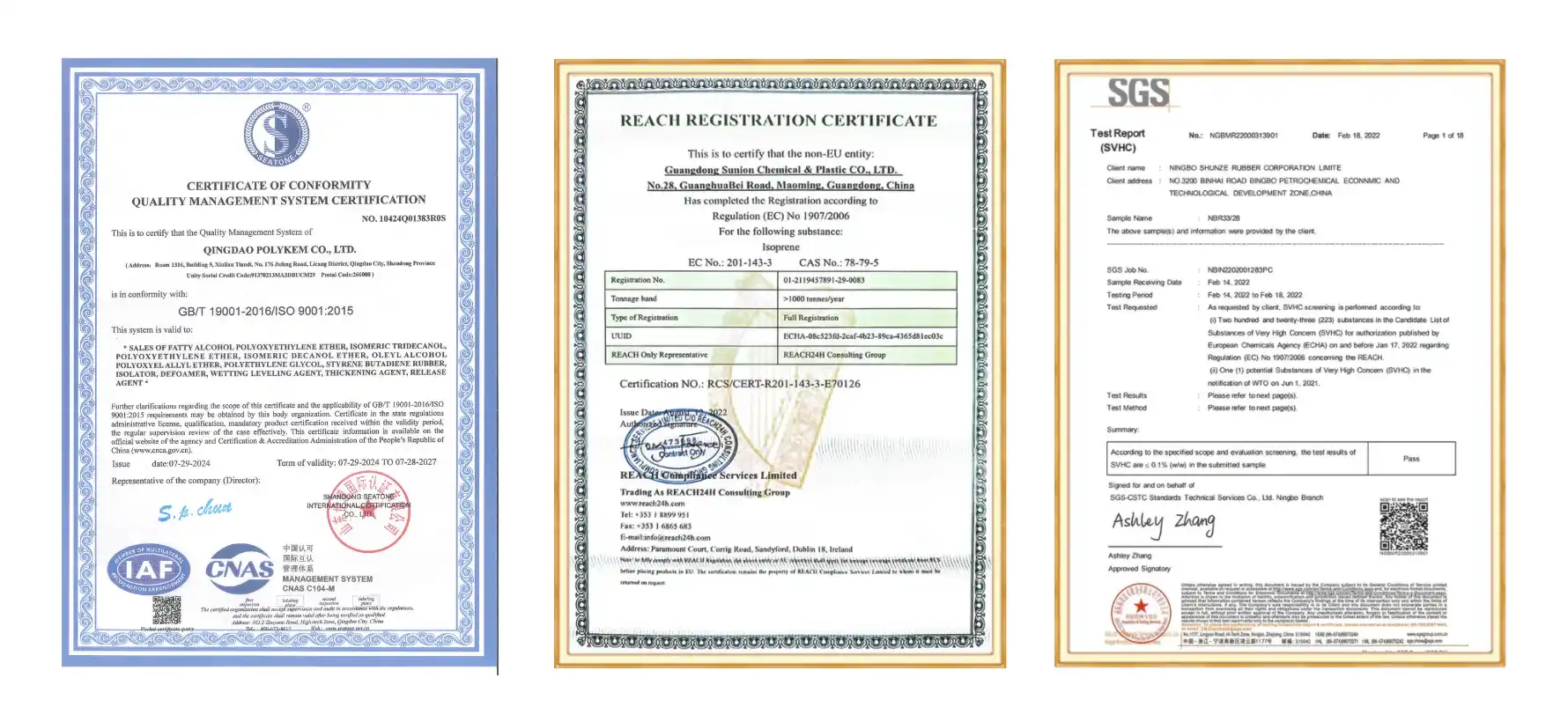
- SDS - COA - TDS - ISO 9001 certificate - REACH-related documentation
OEM and Flexible Order Arrangements
Polykem supports OEM cooperation and can discuss packaging, labeling and order arrangements based on customer requirements. Standard and customized packaging options are subject to product grade, order quantity and transportation conditions.
Support for Regular and Bulk Orders
We provide quotations for trial orders, regular purchasing programs and bulk-volume requirements. Our team also assists with order confirmation, production coordination, export documentation, shipment scheduling and delivery follow-up.
Storage
Store Polyepichlorohydrin rubber in its original sealed packaging in a cool, dry and well-ventilated warehouse.
- Recommended storage temperature: 15–25°C - Keep away from direct sunlight and heat sources - Protect from moisture, ozone and strong oxidizing materials - Avoid damaging or opening the packaging before use
FAQ
What is Polyepichlorohydrin rubber used for?
ECO rubber is commonly used in automotive fuel hoses, seals, gaskets, diaphragms, O-rings, industrial rollers and vibration-damping components.
Is ECO rubber suitable for automotive fuel hoses?
Yes. ECO rubber is widely used in automotive fuel hoses and fuel-system components because it combines fuel resistance, low gas permeability and low-temperature flexibility. The appropriate grade should be selected according to the fuel type, operating temperature and processing requirements.
What is the difference between ECO rubber and Nitrile Rubber (NBR)?
Both ECO rubber and Nitrile Rubber (NBR) offer good oil resistance. NBR is widely used for general oil-resistant seals, hoses and industrial rubber parts, while ECO rubber is often selected when fuel resistance, low gas permeability, ozone resistance and low-temperature flexibility are required together
Does Polykem provide different Polyepichlorohydrin grades?
Yes. Polykem provides Polyepichlorohydrin and ECO rubber options for different applications and processing requirements. Customers can provide a current brand, reference grade or target application for grade matching.
What is the standard packaging for the rubber?
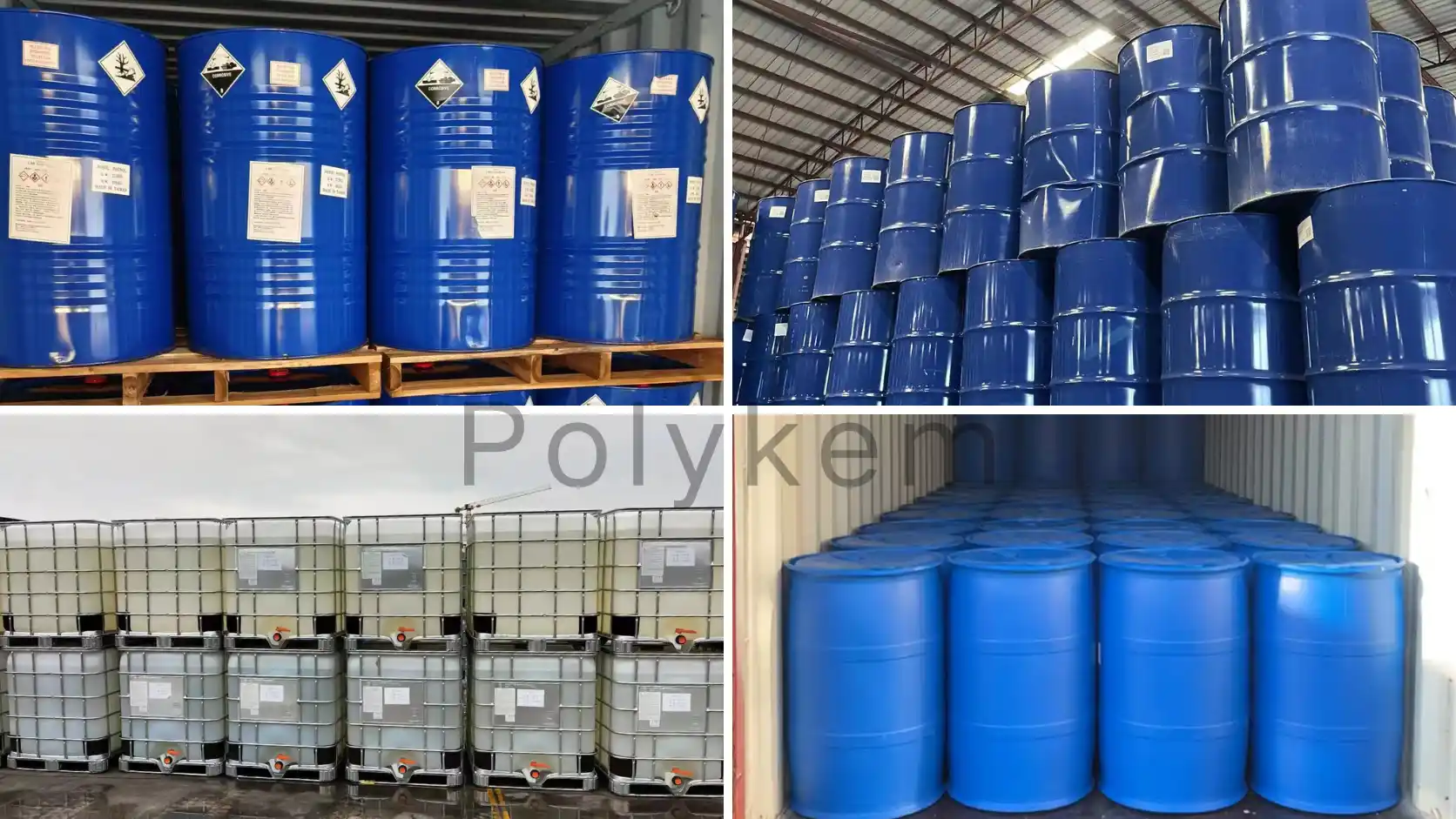
It is typically supplied in 25 kg bales or polyethylene-lined bags. Packaging may vary according to the grade and order requirements.
Can Polykem provide samples and technical documents?
Yes. Samples, TDS, SDS and COA can be provided according to the selected grade and order requirements. Contact Polykem with your application, required quantity and destination.
For inquiries about synthetic rubber, rubber additives, hydrocarbon resin or price list, please leave your email to us and we will be in touch within 24 hours.
We use cookies to offer you a better browsing experience, analyze site traffic and personalize content. By using this site, you agree to our use of cookies.Privacy Policy