News

How to Select Polyepichlorohydrin (ECO Rubber) for Fuel Hoses and Seals

2026-07-16 0 Leave me a message


Fuel hoses and sealing components rarely operate under one simple condition. They may come into contact with fuel or oil while also facing heat, pressure changes, vibration and outdoor exposure. Selecting the right rubber therefore requires more than checking a single property on a technical data sheet.


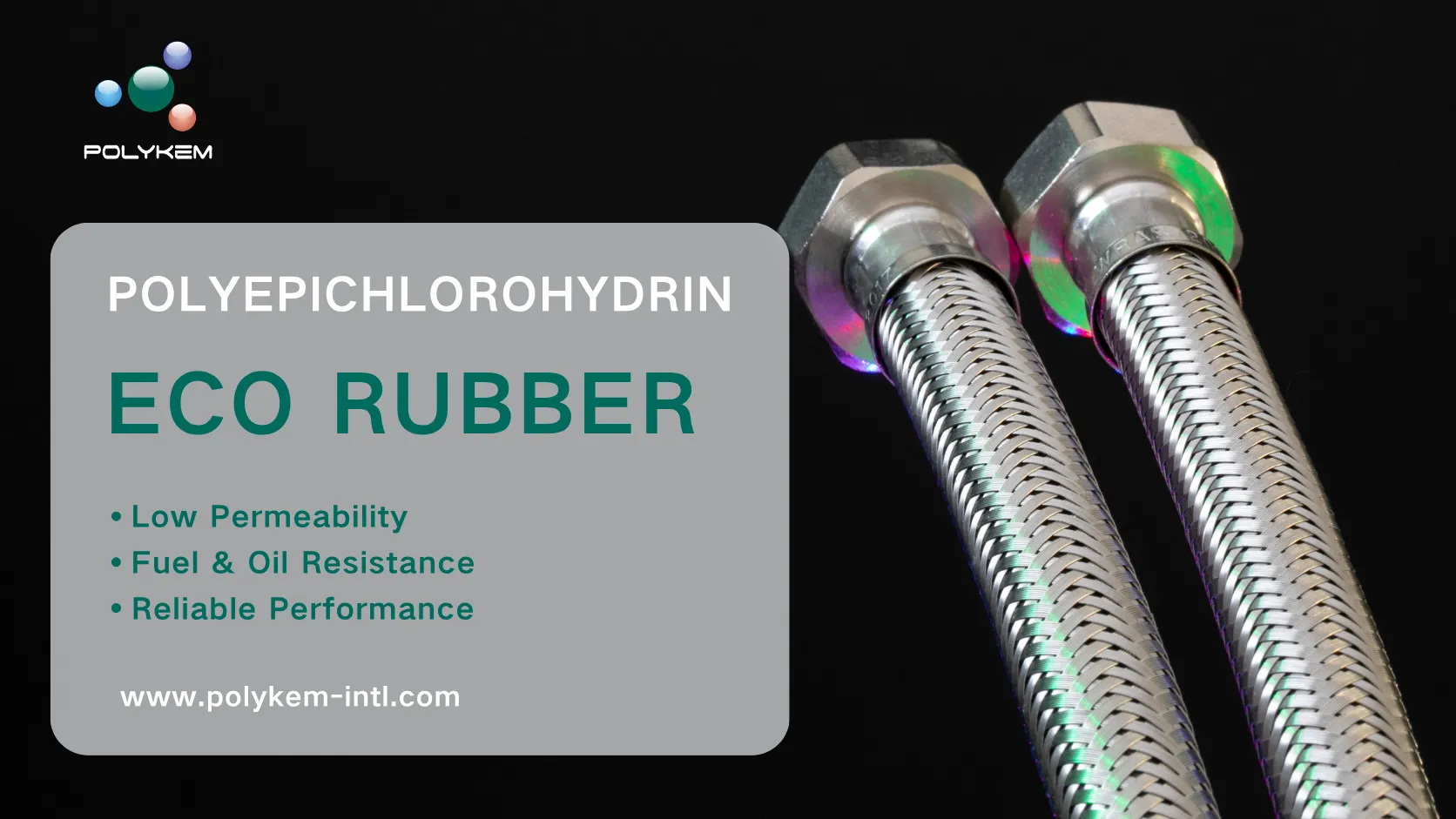
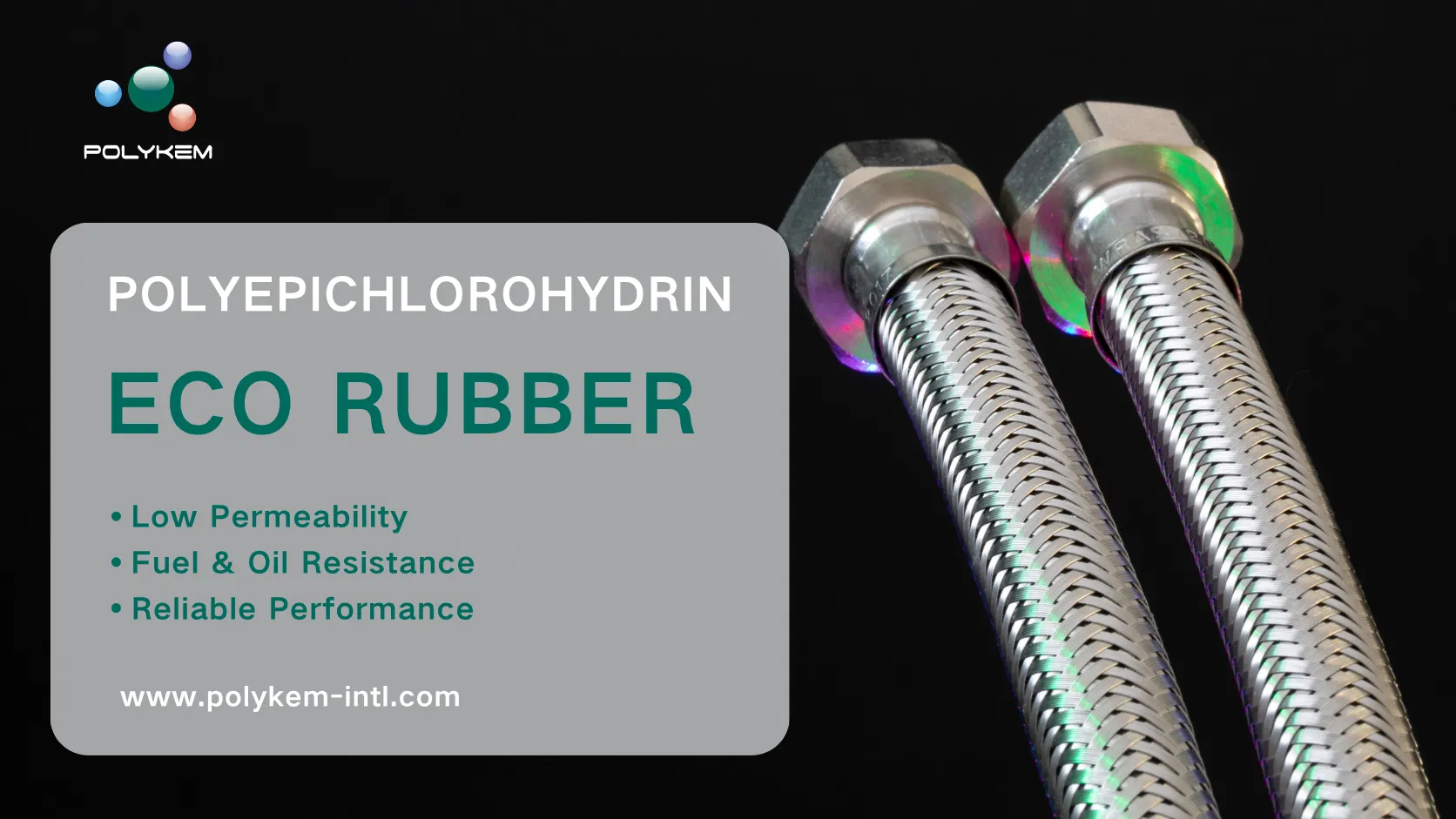
Polyepichlorohydrin, commonly referred to as ECO rubber, is often considered for these demanding applications. It offers a useful combination of fuel and oil resistance, low gas permeability, ozone resistance and temperature performance.


However, not every ECO rubber grade is suitable for every hose or seal. The correct choice depends on the fluid, operating temperature, component design and manufacturing process.


Why Is Polyepichlorohydrin Used for Fuel Hoses and Seals?


Fuel-system components must retain their physical properties after prolonged exposure to fuel, oil and heat. Excessive swelling, hardening or fuel-vapor permeation may shorten component life or affect sealing performance.


Polyepichlorohydrin (ECO rubber) is widely considered for fuel hoses and seals because it provides:


- Good resistance to fuels and mineral oils

- Low permeability to air and fuel vapors

- Good ozone and weather resistance

- Reliable heat-aging performance

- Useful flexibility at lower temperatures


These properties make [polyepichlorohydrin rubber](https://www.polykem-intl.com/polyepichlorohydrin.html) suitable for automotive fuel hoses, oil hoses, vapor lines, O-rings, gaskets and other components used in oily environments.


Its suitability must still be confirmed under the actual service conditions.


1. Identify the Fluid and Exposure Conditions


The first step is to identify exactly what the rubber will contact. “Fuel resistant” is too general for accurate material selection.


Gasoline, diesel, biodiesel, lubricating oil and fuels containing alcohol or other additives can affect elastomers differently. A material that performs well in conventional mineral oil may respond differently when exposed to an oxygenated fuel.


Before choosing an ECO rubber grade, determine:


- The exact fuel, oil or chemical involved

- Whether additives such as ethanol or biodiesel are present

- Whether contact is continuous or occasional

- Whether the component contacts liquid, vapor or both

- The expected duration of exposure


Whenever possible, test the rubber with the actual fluid. General chemical-resistance information is useful for initial screening, but it should not replace application-specific testing.


2. Evaluate Permeability and Temperature


Low gas permeability is particularly important for fuel hoses, vapor lines and components that must control emissions or retain pressure.


ECO rubber has relatively low permeability compared with many general-purpose elastomers. In demanding fuel systems, it may be used as one layer of a multilayer hose rather than as the only barrier material. The entire hose construction—including wall thickness, reinforcement and adhesion between layers—should be evaluated together.


Temperature also affects performance. Long-term heat exposure may cause a rubber compound to harden or lose strength, while low temperatures can reduce flexibility and increase the risk of cracking.


When selecting ECO rubber for fuel hoses or seals, consider:


- Normal operating temperature

- Maximum short-term temperature

- Lowest start-up or storage temperature

- Duration of heat exposure

- Frequency of thermal cycling


A published maximum-temperature value should not be used as the only selection criterion. Actual performance depends on exposure time, fluid contact, compound formulation and component design.


3. Match the Rubber to the Component


A fuel hose and a static gasket place different demands on an elastomer.


A hose must withstand movement, vibration and internal pressure. It may also need strong adhesion to textile reinforcement or other polymer layers. Important properties include flexibility, fatigue resistance, permeability and dimensional stability after fuel exposure.


For seals, O-rings and gaskets, the priorities may include compression set, fluid swelling and the ability to retain sealing force after aging.


This distinction matters when selecting epichlorohydrin rubber for seals. A grade that works well in an extruded hose compound may not automatically provide the best performance in a molded sealing component.


Define the component’s function first, then select the balance of properties needed to perform that function.


4. Consider Processing and Compound Design


The base polymer is only one part of the finished material.


Fillers, plasticizers, antioxidants and curing systems can change hardness, heat resistance, compression set and processability. Two compounds based on the same type of ECO rubber may therefore perform differently.


Manufacturers should review:


- Molding or extrusion requirements

- Cure system and conditions

- Required hardness

- Processing stability

- Adhesion to reinforcement or adjacent layers

- Consistency in commercial production


For an established production line, processing compatibility can be just as important as the nominal properties of the polymer.


5. Compare ECO with NBR and HNBR


Polyepichlorohydrin should be compared with other elastomers based on the complete application rather than one isolated property.


Nitrile rubber (NBR)】is widely used for oil-resistant hoses and seals. It can be a practical choice when oil resistance and cost are the main considerations. ECO may offer a more suitable balance where low gas permeability, ozone resistance and fuel-system performance are also important.


Hydrogenated nitrile rubber (HNBR)】may be evaluated for components that require higher heat resistance and demanding mechanical performance. Its processing requirements and cost, however, differ from those of ECO and standard NBR.


The best material is not necessarily the rubber with the highest rating in one category. It is the one that provides the right combination of fluid resistance, temperature performance, permeability, processability and cost.


Validate the Material Before Production


A technical data sheet is a useful starting point, but final qualification should be based on relevant testing.


Depending on the component, manufacturers may need to evaluate fluid swelling, hardness change, tensile-property retention, compression set, low-temperature flexibility, permeability and heat aging.


Testing should reflect the intended fluid, temperature, pressure and service duration as closely as possible. For hoses, the complete construction should also undergo appropriate pressure, leakage and flex-fatigue testing.


Polykem Polyepichlorohydrin Supply Support


Polykem supplies polyepichlorohydrin for automotive fuel hoses, seals and other industrial rubber components. Based on your application requirements, our team can help you compare available ECO rubber grades according to fluid resistance, operating temperature, permeability, hardness and processing conditions.


Our supply support includes:


- Polyepichlorohydrin grade matching

- Free samples for evaluation and product testing


- COA, TDS and SDS documentation

- ISO 9001 and REACH-related documents, where applicable

- OEM and customized supply support

- Flexible packaging and order arrangements

- Quotations for regular and bulk purchases


To receive suitable product information, please provide details such as the contact fluid, operating-temperature range, required hardness, processing method, estimated quantity and delivery destination.


Contact Polykem】to request a free ECO rubber sample, technical documents or a quotation for your application.


Related News
Leave me a message
X
We use cookies to offer you a better browsing experience, analyze site traffic and personalize content. By using this site, you agree to our use of cookies.Privacy Policy
RejectAccept