Products
Hydrogenated Nitrile Rubber
  • Hydrogenated Nitrile RubberHydrogenated Nitrile Rubber

Hydrogenated Nitrile Rubber

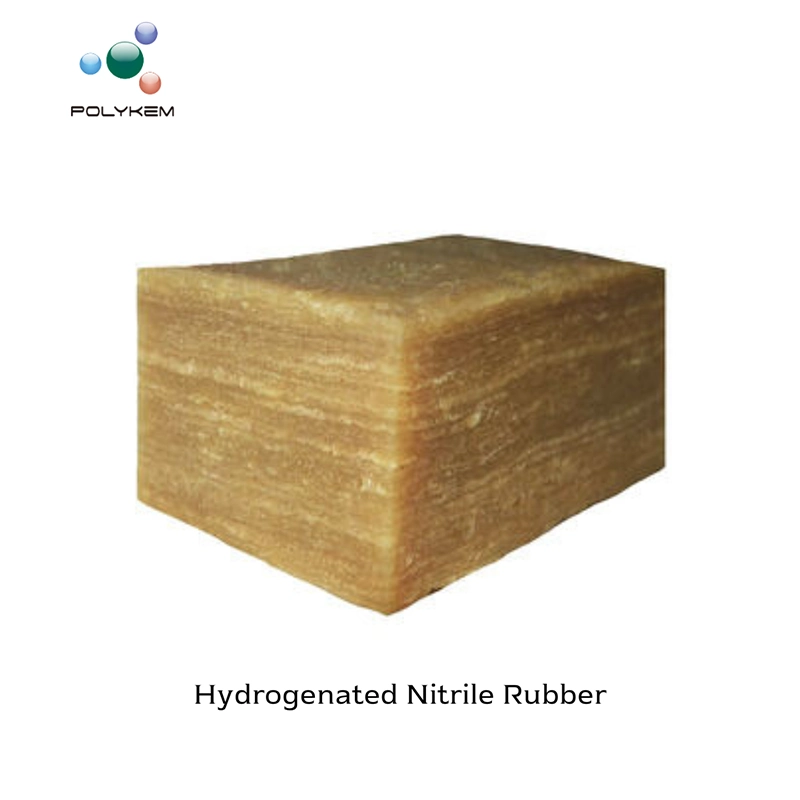
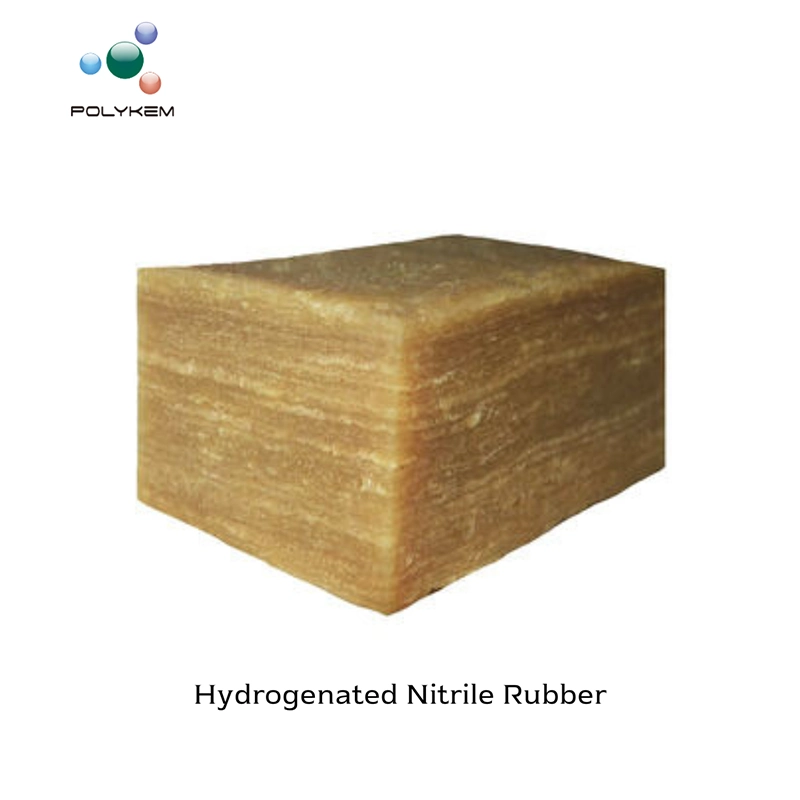
Hydrogenated nitrile rubber (HNBR) is a synthetic rubber copolymer used in the manufacturing of rubber seals. It is created from nitrile butadiene rubber (NBR) by a process of hydrogenating unsaturated bonds in the butadiene units of the polymer. This hydrogenation process increases the stability and anti-aging properties of the rubber, while improving its heat resistance, ozone resistance and corrosion resistance.

Hydrogenated Nitrile Rubber, commonly known as HNBR rubber, is used when ordinary NBR may not provide enough long-term resistance under heat, oil, ozone, or aging conditions. For manufacturers of seals, O-rings, gaskets, hoses, and industrial rubber parts, HNBR offers a stronger balance between oil resistance, heat resistance, mechanical strength, and service life.


Polykem supplies cost-effective Hydrogenated Nitrile Butadiene Rubber (HNBR) for customers who need reliable rubber materials for automotive, oilfield, industrial equipment, and other demanding applications. We support buyers with grade discussion, application matching, sample arrangement, technical documents, and export delivery.


Product Parameter


As with nitrile butadiene rubber, many properties can be affected by changing the acrylonitrile content of the rubber. HNBR elastomers with high nitrile content have better resistance to mineral oil, while hydrogen peroxide/sulfide HNBR has the best compressive strength and heat resistance.

Different types of Hydrogenated nitrile rubber(HNBR) products technical parameters are not the same, welcome to send a form or email to inform your specific needs.


Why Choose Hydrogenated Nitrile Butadiene Rubber HNBR?


Many buyers compare HNBR and NBR when sourcing oil-resistant rubber materials. From Polykem’s experience, the better choice depends on where the final rubber part will be used, what media it will contact, and how long it needs to maintain performance under heat, oil, or dynamic stress.


NBR is widely used because of its good oil resistance and cost efficiency. For many general oil-resistant rubber parts, it remains a practical and economical choice. However, in applications involving higher temperature, outdoor exposure, fuel contact, oxidation, or long-term dynamic stress, buyers may need to consider whether standard NBR is enough for the expected service conditions.


HNBR is produced by hydrogenating nitrile rubber, which improves the stability of the polymer structure. This helps the material perform better in applications where heat, oil, aging resistance, and mechanical strength are all important. For many buyers, the question is not simply “NBR or HNBR,” but whether the final rubber part requires longer service life, better aging resistance, or higher performance in a more demanding working environment.


For some applications currently using FKM materials, such as fluoroelastomers, HNBR may be considered when cost control is important and the working conditions do not require the full chemical or high-temperature resistance of FKM. Material selection should still be based on the actual medium, temperature, pressure, and service life requirements.


Key Performance Features of HNBR Rubber


Better Heat and Aging Resistance

HNBR rubber is often selected for applications where rubber parts need to maintain performance under higher temperature or long-term operating conditions. Compared with standard NBR, it usually provides better resistance to heat aging, ozone, and oxidation.

This makes HNBR suitable for parts used in automotive engines, industrial machinery, and outdoor or high-stress environments.


Good Oil and Fuel Resistance

Like NBR, HNBR maintains good resistance to oils, fuels, and many industrial fluids. This is one of the reasons it is commonly used in sealing systems and rubber components exposed to lubricating oil, fuel, hydraulic fluids, or other oil-based media.

Before purchase, customers should confirm the actual fluid type, working temperature, and contact conditions to select a more suitable HNBR grade.


High Mechanical Strength

HNBR can provide good tensile strength, wear resistance, and dynamic performance. For rubber parts that need repeated compression, movement, or friction resistance, HNBR can help improve durability and reduce early failure risks.

This is especially important for O-rings, seals, belts, molded parts, and other industrial rubber products.


Improved Ozone and Weather Resistance

HNBR offers better resistance to ozone, oxidation, and outdoor aging than standard NBR. This helps reduce the risk of cracking, hardening, or performance loss when rubber parts are used in outdoor conditions or exposed to air, heat, and environmental stress.

For applications such as automotive components, outdoor sealing parts, and industrial equipment, this property can be an important reason to consider HNBR.


Chemical and Fluid Compatibility

HNBR may also be considered for rubber parts used in certain industrial fluids, oilfield environments, and chemical processing conditions. However, chemical resistance depends on the actual medium, temperature, concentration, and compound design.

For this reason, buyers should confirm the working conditions before selecting an HNBR grade. Polykem can support customers in discussing application requirements and suitable material options.


Common Applications of Hydrogenated Nitrile Rubber


HNBR is commonly used in rubber parts that require better oil resistance, heat resistance, and aging performance. Typical applications include:


 - O-rings and sealing parts
 - Oil seals and gaskets
 - Automotive rubber components
 - Fuel system partsIndustrial hoses
 - Rubber beltsOilfield and drilling equipment parts
 - Machinery and hydraulic system components

 - Molded rubber products


In actual production, the final performance also depends on compound design, curing system, filler selection, processing conditions, and the working environment of the finished part.


Sourcing HNBR Rubber from China: How Polykem Can Help


For HNBR rubber procurement, buyers often care about more than price. They also need stable material quality, clear communication, suitable packaging, and reliable export support.


Polykem supports customers with:


 - HNBR grade discussion based on application needs
 - Free sample arrangement for testing
 - Product specification and technical document support
 - OEM packaging and shipment coordination
 - Stable supply and export delivery support
 - Competitive pricing with flexible order quantities
 - Consistent batch quality


If you are sourcing HNBR rubber from China, Polykem can respond to your inquiry within 1 working day and provide product information, quotation support, sample arrangement, packaging coordination, and shipment support according to your order requirements.


FAQ


Is Polykem a reliable HNBR supplier in China?

Yes. Polykem is a China-based chemical and rubber materials supplier with export experience covering markets such as Europe, the Middle East, and Southeast Asia. We support HNBR buyers with grade discussion, sample arrangement, technical documents, packaging coordination, and export delivery.


What is the minimum order quantity (MOQ) for HNBR?

The MOQ depends on the specific HNBR grade, packaging requirements, and order details. Please contact us with your application, target quantity, and destination, and we will provide a suitable arrangement.


What is the typical lead time for HNBR orders?

Lead time may vary depending on grade availability, order volume, packaging requirements, and shipment schedule. Please contact Polykem for current stock status and estimated delivery time.


How should HNBR rubber be stored?

HNBR rubber should be stored in a cool, dry, and well-ventilated place, away from direct sunlight, heat sources, ozone, and strong oxidizing materials. The original packaging should remain sealed before use. Under proper storage conditions, the shelf life is typically 2–3 years from the production date.


What quality documentation is available?

Polykem operates under ISO 9001 quality management standards. COA, TDS, and SDS can be provided upon request for HNBR shipments.


How do I select the right HNBR grade for my application?

HNBR grade selection depends on several factors, including ACN content, Mooney viscosity, hydrogenation level, curing system, working temperature, and the type of oil, fuel, or fluid contact involved. You can share your application requirements with Polykem, and we can help discuss suitable material options.


For more details, you may also read our guide: How to Choose the Right HNBR Rubber Grade for Seals and Industrial Applications.


Hot Tags: HNBR Hydrogenated Nitrile Rubber
Send Inquiry
Contact Info
For inquiries about synthetic rubber, rubber additives, hydrocarbon resin or price list, please leave your email to us and we will be in touch within 24 hours.
X
We use cookies to offer you a better browsing experience, analyze site traffic and personalize content. By using this site, you agree to our use of cookies. Privacy Policy
Reject Accept