News

Butyl Rubber for Sealing: How Does It Compare with EPDM and NBR?

2026-09-30 0 Leave me a message


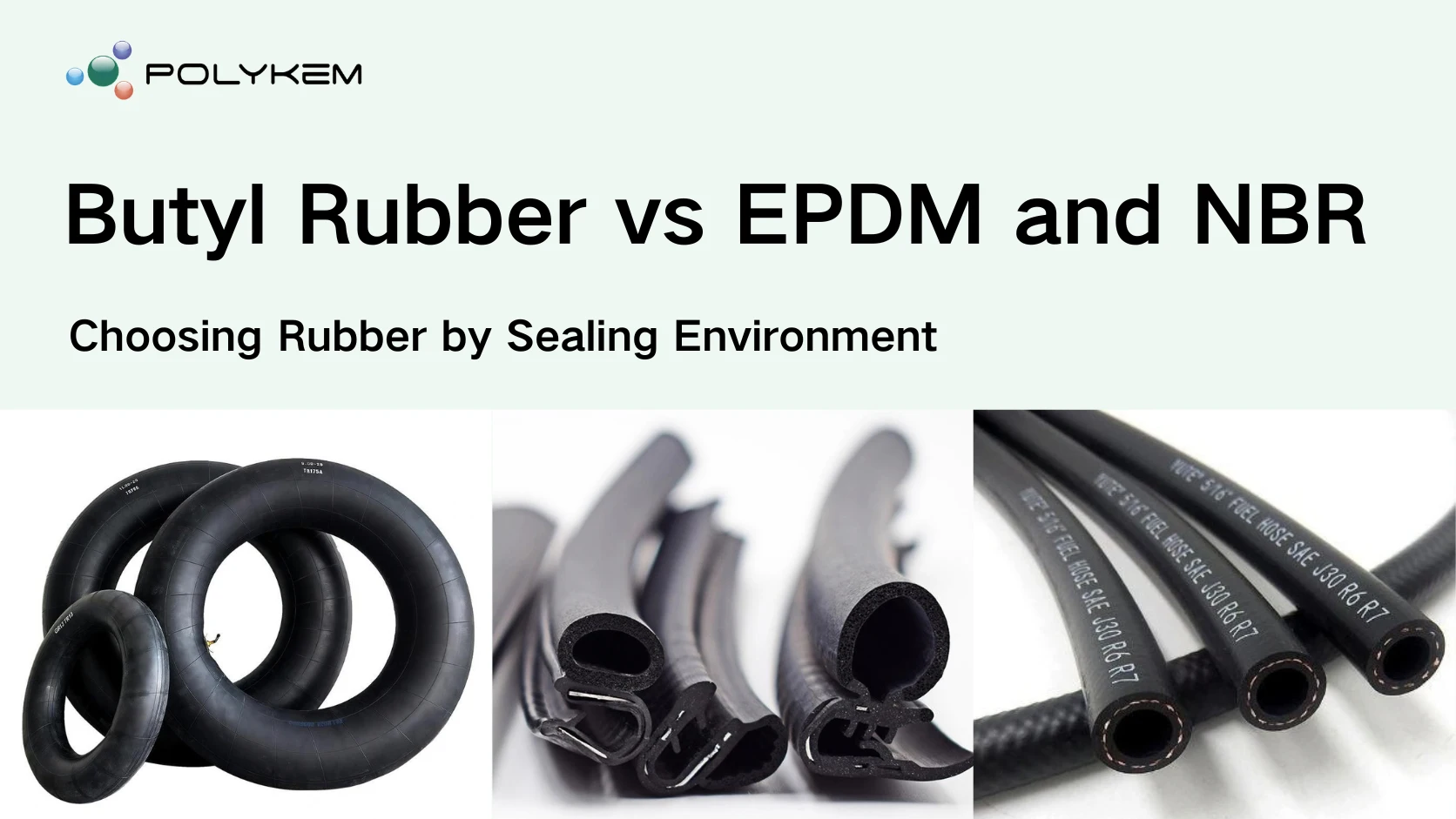
A sealing material may need to retain air, withstand outdoor exposure or resist contact with oil. These requirements are not always met by the same type of rubber. Butyl rubber, EPDM and NBR can all be used in sealing applications, but their strengths are different.


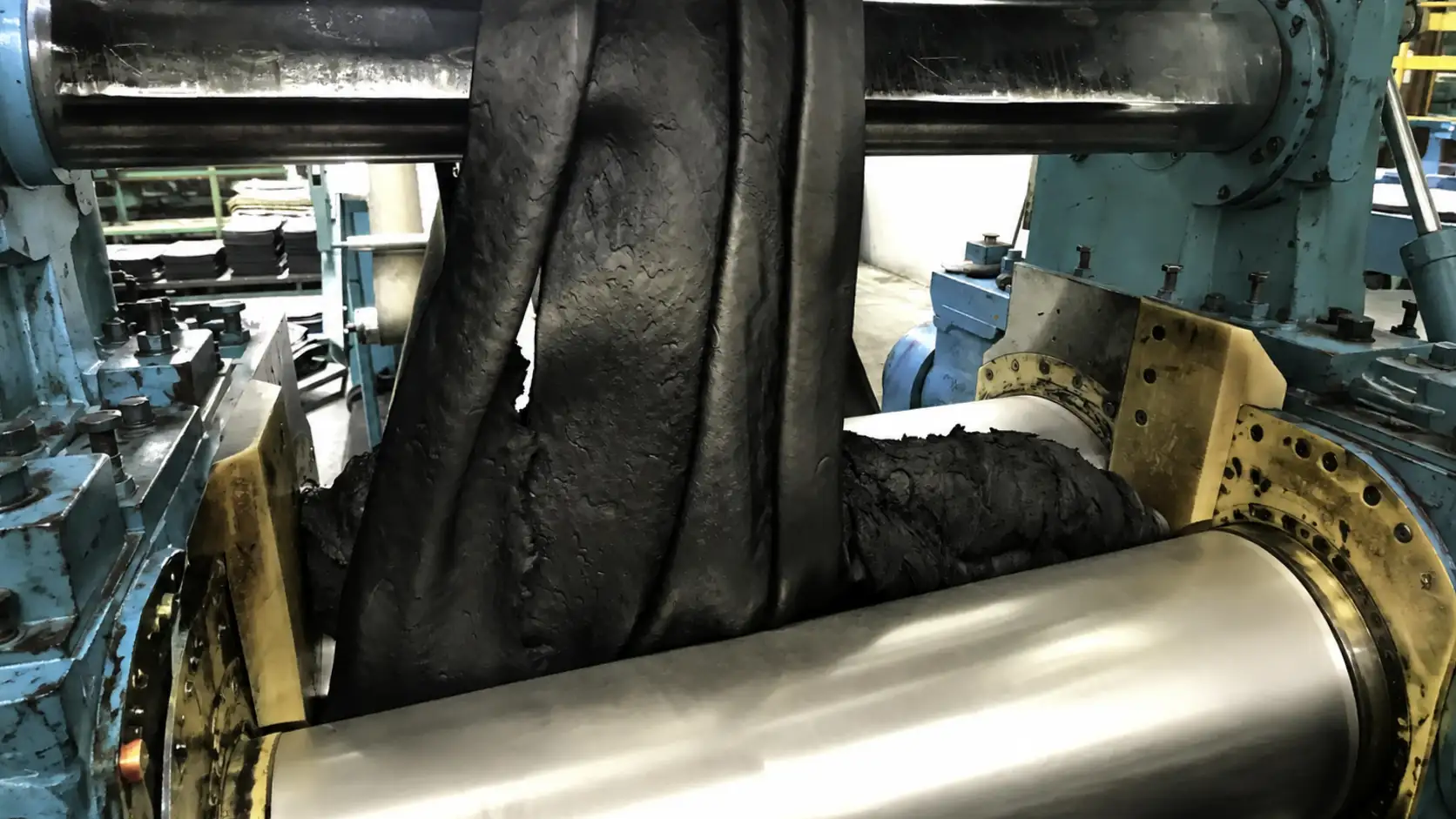
Also known as isobutylene-isoprene rubber or IIR, butyl rubber is best known for its low gas and moisture permeability. This makes it useful in products where maintaining an airtight or waterproof barrier is more important than oil resistance.


Why Is Butyl Rubber Highly Airtight?


Butyl rubber is produced mainly from isobutylene with a small amount of isoprene. Its polymer structure limits the movement of gas molecules through the material, giving IIR rubber much lower air permeability than many general-purpose elastomers.


Typical butyl rubber applications include tyre inner tubes, air-retaining layers, waterproof membranes, expansion joints and industrial sealing components. Its damping performance and electrical insulation properties also support its use in vibration-control parts and cable applications.


Regular IIR has relatively low unsaturation and usually cures more slowly than highly unsaturated rubbers. Grade selection, curing system and processing conditions therefore need to be considered together.


Butyl Rubber or EPDM?


Butyl rubber and Ethylene Propylene Diene Monomer (EPDM) are both used in outdoor sealing and waterproofing products, but they are selected for different reasons.


IIR is generally preferred when air retention and low moisture permeability are the main requirements. EPDM is more often selected for its resistance to ozone, sunlight, weathering and outdoor ageing. It is widely used in automotive weatherstrips, roofing membranes, construction seals and water hoses.


For a sealed air chamber or inner tube, butyl rubber is usually the more relevant starting point. For a window seal exposed continuously to sunlight and weather, EPDM may offer a better property balance.


When Are NBR and HNBR More Suitable?


Neither butyl rubber nor EPDM is normally the first choice for continuous contact with petroleum oils and fuels. In these environments, nitrile butadiene rubber is often considered because its acrylonitrile content provides better oil resistance.


NBR is commonly used in oil seals, fuel hoses, gaskets and industrial components. Where higher heat resistance, improved ageing performance and oil resistance are required together, hydrogenated nitrile rubber may be evaluated instead.


This does not mean that one rubber is universally better than another. The correct choice depends on the medium, temperature, outdoor exposure, pressure and required service life.


Selecting the Right Synthetic Rubber


Choose butyl rubber when low gas permeability, moisture resistance and vibration damping are priorities. Consider EPDM for weathering, ozone and outdoor durability, NBR for oil resistance, and HNBR for more demanding combinations of heat and oil exposure.


Polykem supplies multiple grades of butyl rubber, EPDM, NBR, HNBR and other synthetic rubber materials. Product specifications, batch documentation and samples are available to support grade evaluation.


For product information or quotations, please contact Polykem.


Related News
Leave me a message
X
We use cookies to offer you a better browsing experience, analyze site traffic and personalize content. By using this site, you agree to our use of cookies. Privacy Policy
RejectAccept