Sodium hydroxide is one of the most widely used industrial alkaline chemicals, playing an essential role in chemical manufacturing, water treatment, pulp and paper production, textiles, detergents, and metal processing. Also known as caustic soda or lye, this versatile compound is valued for its strong alkalinity, excellent neutralization capability, and effectiveness in a wide range of industrial processes.
However, selecting the right sodium hydroxide product involves more than simply comparing prices. Buyers need to consider purity, concentration, physical form, application requirements, packaging, storage conditions, and supplier reliability. This guide explains the essential properties, industrial applications, product specifications, and purchasing considerations to help businesses make informed sourcing decisions.
Sodium hydroxide (NaOH), commonly called caustic soda, is a strong inorganic alkaline compound widely used in industrial and commercial manufacturing. At room temperature, pure sodium hydroxide typically appears as a white, odorless solid. It is highly soluble in water and produces a strongly alkaline solution.
One of its most important characteristics is its ability to neutralize acids and participate in various chemical reactions. Because of this property, sodium hydroxide is an essential raw material and processing chemical in many industries.
Commercial sodium hydroxide is generally manufactured through the electrolysis of sodium chloride brine using the chlor-alkali process. This process produces sodium hydroxide alongside chlorine and hydrogen, making the chemical an important component of the global industrial chemical supply chain.
Its common identification information includes:
| Parameter | Information |
|---|---|
| Chemical Name | Sodium Hydroxide |
| Chemical Formula | NaOH |
| CAS Number | 1310-73-2 |
| Common Names | Caustic Soda, Lye, Soda Lye |
| Molecular Weight | Approximately 40.00 g/mol |
| Appearance | White solid or colorless aqueous solution |
| Solubility | Highly soluble in water |
| Chemical Classification | Strong inorganic base |
For industrial buyers, understanding these basic characteristics is the first step toward choosing a suitable product. The required grade, concentration, and physical form should always be determined by the actual manufacturing process.
The industrial importance of sodium hydroxide comes from its combination of chemical reactivity, solubility, and versatility. These characteristics allow manufacturers to use it in different production environments.
Sodium hydroxide is a strong base that dissociates into sodium ions and hydroxide ions in aqueous solutions. This makes it effective for raising pH levels, neutralizing acidic substances, and supporting alkaline processing operations.
In industrial wastewater treatment, for example, sodium hydroxide can be used to adjust acidic wastewater to a required pH range before subsequent treatment stages. The correct dosage depends on wastewater composition, buffering capacity, and process requirements.
Sodium hydroxide dissolves readily in water, making it convenient for preparing alkaline solutions at different concentrations. This feature supports applications that require controlled chemical dosing, cleaning, neutralization, and reaction processing.
However, dissolution releases considerable heat. Industrial preparation systems must therefore use suitable equipment, controlled addition procedures, and appropriate cooling arrangements where necessary.
Sodium hydroxide reacts with acids to form salts and water. It also participates in saponification, hydrolysis, and other chemical processes. These reactions make it valuable in soap production, chemical synthesis, petroleum refining, and many other manufacturing operations.
Solid sodium hydroxide is hygroscopic and absorbs moisture from the surrounding air. It can also absorb carbon dioxide, gradually forming sodium carbonate. Exposure to humid air may therefore affect product condition and handling characteristics.
Because sodium hydroxide readily absorbs moisture and carbon dioxide, packaging integrity and storage conditions are important factors when maintaining product quality during transportation and warehousing.
Industrial sodium hydroxide is available in several physical forms. Although the chemical composition is the same, different forms offer practical advantages for transportation, storage, feeding, and production.
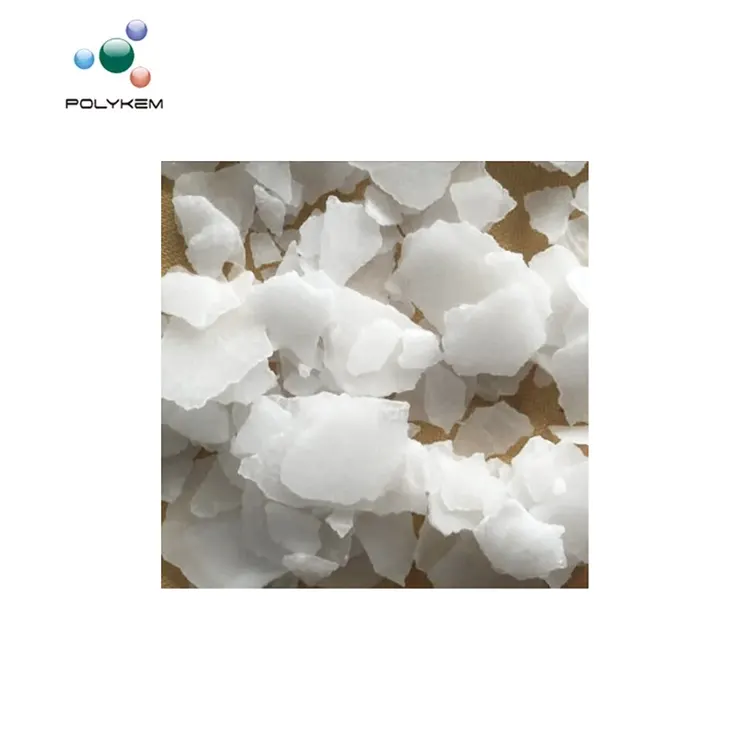
Flakes are solid pieces of caustic soda commonly used in chemical manufacturing, detergent production, and industrial processing. Their relatively convenient handling makes them suitable for many operations requiring solid alkaline materials.
Pearls are small, rounded solid particles that can provide convenient handling and relatively consistent feeding in suitable production systems. They are often selected where controlled solid material handling is important.
Granular products are another solid option for industrial users. Their particle size and physical characteristics should be evaluated according to the customer's dosing and dissolution equipment.
Liquid caustic soda is supplied as an aqueous solution, commonly in commercially specified concentrations such as 32% or 50%. It is suitable for facilities equipped with liquid storage tanks and chemical dosing systems.
| Product Form | Main Characteristics | Typical Considerations |
|---|---|---|
| Flakes | Solid, easy to package | Moisture protection and dissolution procedures |
| Pearls | Small, rounded particles | Particle size and feeding requirements |
| Granules | Solid particles of specified sizes | Handling and equipment compatibility |
| Liquid Solution | Ready-to-use aqueous chemical | Concentration, tank compatibility, and transportation |
The best form depends on the customer's production process. Facilities with established liquid chemical delivery systems may prefer a solution, while businesses requiring flexible solid chemical storage may choose flakes or pearls.
Sodium hydroxide is a fundamental industrial chemical used across multiple manufacturing sectors. Its applications range from raw material processing to pH adjustment and equipment cleaning.
Chemical manufacturers use sodium hydroxide as a raw material, neutralizing agent, and processing chemical. It participates in the production of various sodium salts, chemical intermediates, and industrial formulations.
Its strong alkaline properties make it useful in reactions requiring controlled pH conditions or alkaline environments. Consistent chemical specifications are particularly important for manufacturers operating continuous production lines.
The pulp and paper industry uses sodium hydroxide in pulping and chemical processing operations. In kraft pulping, it works with other cooking chemicals to help separate cellulose fibers from lignin and other wood components.
It can also be involved in pulp treatment, chemical recovery, and certain cleaning operations. Product quality and controlled chemical consumption are important for maintaining production efficiency.
In textile manufacturing, sodium hydroxide is used in cotton treatment, scouring, and mercerization. Mercerization involves treating cotton fibers with an alkaline solution under controlled conditions to modify their properties, potentially improving dye affinity, luster, and dimensional characteristics.
Precise concentration, temperature, and processing time are essential because excessive or poorly controlled treatment may damage the material.
Sodium hydroxide is a key ingredient in traditional soap manufacturing. It reacts with fats and oils through a chemical process known as saponification, producing soap and glycerol.
Manufacturers also use it in selected detergent formulations and related chemical production processes. Accurate dosing helps maintain formulation consistency and product performance.
Water treatment facilities use sodium hydroxide to adjust pH and neutralize acidic water. Depending on the treatment design, it may also help create conditions for certain precipitation and contaminant-removal processes.
For wastewater treatment plants, choosing the right concentration and dosing strategy can help improve process control. Operators should monitor pH continuously or at appropriate intervals rather than relying on fixed dosing assumptions.
Sodium hydroxide is used in selected petroleum refining operations and industrial cleaning processes. In metal processing, it can support surface treatment, cleaning, and certain chemical processing operations.
However, sodium hydroxide is incompatible with some metals, including aluminum, zinc, tin, and lead, under relevant conditions. Equipment material selection must therefore be carefully evaluated before use.
Food processing operations may use sodium hydroxide for specific regulated purposes, such as pH adjustment, peeling, or certain processing treatments. Its use must comply with applicable food-grade specifications, local regulations, and approved processing conditions.
Industrial-grade sodium hydroxide should not automatically be considered suitable for food, pharmaceutical, or other regulated applications. Buyers must verify the required grade, documentation, purity limits, and regulatory compliance before purchasing.
Choosing an appropriate sodium hydroxide product is essential for controlling production costs, maintaining consistent product quality, and reducing operational risks. Procurement teams should evaluate several technical and commercial factors before placing an order.
Purity is one of the most important product specifications. Different industrial applications may require different levels of sodium hydroxide content and impurity control.
For example, a general industrial cleaning process may have different specifications from a chemical synthesis operation or a regulated food-processing application. Buyers should identify the acceptable limits for sodium carbonate, sodium chloride, iron, and other relevant impurities.
For liquid sodium hydroxide, concentration directly affects chemical consumption, transportation efficiency, storage requirements, and process calculations.
Common commercial solutions include 32% and 50% concentrations, although availability and specifications depend on the supplier and market. Buyers should confirm whether concentration is expressed as weight percentage and whether the quoted specification includes an acceptable tolerance.
Flakes, pearls, granules, and liquid solutions have different handling requirements. The chosen form should be compatible with existing storage facilities, dosing equipment, transportation arrangements, and worker handling procedures.
Packaging influences product protection, storage convenience, and transportation safety. Buyers should confirm packaging material, bag weight, moisture resistance, pallet arrangement, labeling, and container loading requirements.
For manufacturers with continuous production requirements, a stable supply is just as important as product quality. Procurement teams should evaluate order quantities, production capacity, lead times, shipment arrangements, and the supplier's ability to support repeat orders.
| Selection Factor | Questions to Ask | Why It Matters |
|---|---|---|
| Purity | What is the NaOH content? | Ensures suitability for the process |
| Concentration | What solution concentration is supplied? | Supports accurate dosing and cost calculations |
| Physical Form | Flakes, pearls, granules, or liquid? | Matches handling and equipment requirements |
| Packaging | Are moisture protection and labeling adequate? | Protects product condition during storage and transit |
| Documentation | Are COA and SDS available? | Supports quality verification and safe handling |
| Supply Reliability | Can repeat orders be supported? | Helps maintain production continuity |
Product quality should be verified through documented specifications and appropriate analytical testing rather than appearance alone. A professional procurement process should include the following checks.
A Certificate of Analysis (COA) provides batch-specific test results and helps buyers compare the supplied product against agreed specifications.
Depending on the product grade and purchasing requirements, relevant parameters may include:
Buyers should ensure that the COA corresponds to the actual shipment batch and that the testing methods and acceptance limits are clearly identified where required.
The Safety Data Sheet (SDS) provides essential information about chemical hazards, first-aid measures, firefighting procedures, accidental release response, handling, storage, exposure controls, and transportation.
Before accepting a shipment, procurement and safety teams should confirm that the SDS matches the product supplied and is available in a language understood by relevant personnel.
Product specifications may follow national standards, industry standards, or mutually agreed customer requirements. The applicable standard depends on the destination market, application, and product grade.
Rather than assuming every supplier uses the same specification, buyers should request the exact standard, grade designation, and test requirements in writing before confirming an order.
Upon delivery, check the packaging for damage, moisture exposure, leakage in liquid containers, incorrect labeling, or other visible problems. Any discrepancy should be recorded and reported according to the agreed inspection and claims procedure.
Sodium hydroxide is highly corrosive and can cause severe skin and eye burns. Safe storage and handling are essential for protecting employees, facilities, and the surrounding environment.
Workers handling solid sodium hydroxide or concentrated solutions should use suitable chemical-resistant protective equipment based on the SDS and workplace risk assessment.
Facilities should provide accessible emergency eyewash stations and safety showers where exposure risks require them. Workers must be trained in the correct use of emergency equipment.
Dissolving solid sodium hydroxide in water releases substantial heat. If the process is poorly controlled, the solution may become dangerously hot and cause splashing.
Industrial dissolution must follow an approved procedure using compatible equipment, appropriate cooling, controlled addition, and suitable mixing. As a general safety principle, add sodium hydroxide gradually to water rather than pouring water onto a bulk quantity of solid caustic soda. Never improvise a dissolution procedure without reviewing the SDS and site-specific operating instructions.
Solid sodium hydroxide should be kept in tightly closed, compatible packaging in a cool, dry, and well-ventilated location. Protection from moisture and atmospheric carbon dioxide helps preserve product condition.
Liquid sodium hydroxide should be stored in tanks and containers specifically selected for its concentration, temperature, and operating conditions. Storage equipment must be compatible with the chemical and designed for the relevant service conditions.
Sodium hydroxide should be kept away from acids and incompatible substances. It reacts strongly with acids and can release significant heat. Contact with certain metals, including aluminum and zinc, can generate flammable hydrogen gas.
Storage areas should have suitable segregation, spill containment, clear labeling, and access controls. Chemical compatibility should be checked before introducing new materials or equipment.
In the event of skin or eye contact, immediately begin flushing the affected area with plenty of water and follow the SDS and emergency medical procedures. Eye exposure requires urgent medical evaluation. Do not attempt to neutralize sodium hydroxide directly on the skin or eyes with an acid.
For spills, isolate the area, restrict access, and follow the facility's approved emergency response plan. Only trained personnel with suitable protective equipment should manage the incident.
Sodium hydroxide must be handled as a corrosive chemical. Always consult the current SDS, applicable workplace regulations, and qualified safety personnel before storage, transfer, dilution, or use.
For industrial buyers, choosing a reliable supplier involves more than comparing the lowest quotation. A dependable chemical supply partner should demonstrate product consistency, transparent documentation, effective communication, and reliable delivery arrangements.
A professional supplier should provide clear product specifications and batch-related quality documentation. Consistency between orders is particularly important for manufacturers whose production formulas depend on controlled chemical inputs.
COA, SDS, product specifications, and other relevant documents help buyers verify product suitability and prepare for safe handling. Suppliers should be able to clarify technical questions before an order is finalized.
Different customers have different purchasing volumes, warehouse capacities, and delivery arrangements. Suppliers that can clearly explain available packaging options, minimum order quantities, and shipment arrangements make procurement easier.
Clear quotations should identify product grade, concentration, packaging, quantity, delivery terms, and documentation requirements. This reduces misunderstandings and makes supplier comparisons more meaningful.
International buyers should also consider export documentation, transportation coordination, destination-market requirements, and communication efficiency. These factors can significantly influence the overall purchasing experience.
Qingdao Polykem Co., Ltd. understands the importance of reliable chemical sourcing and clear product information for industrial customers. Buyers evaluating sodium hydroxide should communicate their application requirements, target specifications, and packaging expectations to ensure that the proposed product matches their operational needs.
Even experienced procurement teams can encounter problems when purchasing industrial sodium hydroxide. The following mistakes are worth avoiding.
A structured purchasing process helps businesses reduce avoidable costs, improve supply continuity, and maintain more predictable production operations.
The chemical formula of sodium hydroxide is NaOH. It consists of sodium, oxygen, and hydrogen and is classified as a strong inorganic base.
Yes. Sodium hydroxide is commonly known as caustic soda or lye. These names refer to the same chemical compound, NaOH.
It is widely used in chemical manufacturing, pulp and paper production, textile processing, soap and detergent manufacturing, water treatment, petroleum processing, and metal cleaning.
Both are solid forms of sodium hydroxide. Their main differences relate to particle shape, size, handling, and feeding characteristics. Buyers should select the form that best matches their storage and production equipment.
Commercial liquid sodium hydroxide is commonly supplied at concentrations such as 32% and 50%. Actual availability depends on the supplier and market. Buyers should confirm the concentration basis and specification tolerance before ordering.
Yes. Sodium hydroxide is highly soluble in water. However, dissolution releases considerable heat, so the process requires controlled procedures and suitable protective measures.
Yes. Sodium hydroxide is highly corrosive and can cause severe burns to skin and eyes. Appropriate protective equipment, worker training, compatible equipment, and emergency facilities are essential.
Solid sodium hydroxide should be stored in tightly closed, compatible packaging in a cool, dry, and well-ventilated area. Liquid products require chemically compatible storage tanks and containers. Keep the chemical away from acids and incompatible metals.
Buyers should generally request a product specification sheet, Certificate of Analysis (COA), and Safety Data Sheet (SDS). Additional documents may be required depending on the product grade, destination market, and intended application.
Evaluate the supplier's product specifications, quality documentation, packaging options, supply capacity, export experience, delivery arrangements, and communication. Requesting a detailed quotation and batch-related documentation is a practical starting point.
Choosing the right sodium hydroxide is essential for stable production, consistent chemical performance, and efficient industrial operations. Whether your business requires sodium hydroxide flakes, pearls, granules, or liquid solutions, confirming the correct grade and specifications is the first step toward successful sourcing.
Qingdao Polykem Co., Ltd. welcomes inquiries from international distributors, importers, wholesalers, and industrial buyers. Share your required product form, purity, concentration, packaging, and order quantity with our team.
Contact us today to discuss your sodium hydroxide requirements and request product information and a competitive quotation. Let us help you find a suitable chemical supply solution for your business.
Contact UsNote: Product specifications, grades, availability, and applicable regulations may vary by supplier and destination market. Always verify the latest technical documentation and safety requirements before purchasing or using sodium hydroxide.