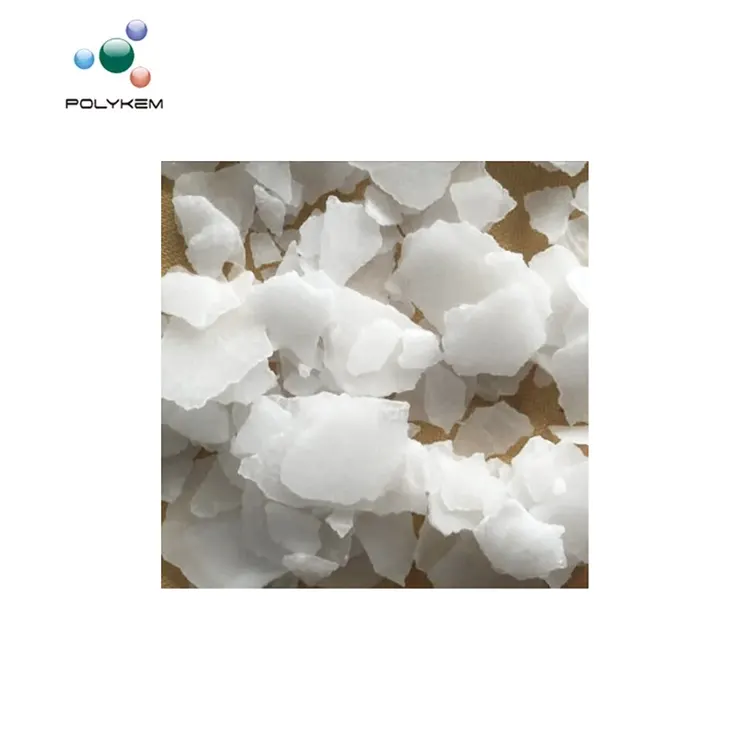
Article Summary: Sodium hydroxide is a versatile inorganic chemical essential to chemical processing, textile manufacturing, pulp and paper production, water treatment, and industrial cleaning. Also known as caustic soda, it provides strong alkalinity that supports neutralization, cleaning, chemical synthesis, and process control. This guide explores its key properties, major industrial applications, purchasing considerations, and safe handling practices, helping businesses make informed sourcing decisions with support from Polykem.
2. Key Properties of Sodium Hydroxide
3. Major Industrial Applications
4. Product Forms and Selection Considerations
5. Why Is Sodium Hydroxide Important for Industrial Efficiency?
6. How to Choose a Reliable Sodium Hydroxide Supplier
7. Safe Handling, Storage, and Transportation
Sodium hydroxide, commonly known as caustic soda or lye, is a strong inorganic base with the chemical formula NaOH. It is typically supplied as a white solid in flakes, pellets, or other suitable forms, depending on the product specification. When dissolved in water, it produces a strongly alkaline solution and releases a considerable amount of heat.
These properties make sodium hydroxide an important raw material and processing agent across numerous industrial sectors. Manufacturers use it to adjust pH, neutralize acidic substances, remove grease, process fibers, and support chemical reactions. Its versatility allows companies to incorporate it into established production systems as well as specialized manufacturing processes.
Polykem supplies sodium hydroxide sourced from quality-focused suppliers, emphasizing high activity, strong alkalinity, and low impurity levels for industrial applications. The company's product information also identifies chemical engineering, textiles, papermaking, and water treatment as key application areas.
For product details, visit the Polykem Sodium Hydroxide product page.
Understanding the physical and chemical characteristics of sodium hydroxide helps manufacturers determine whether it meets their process requirements. Its strong alkalinity and high water solubility are particularly important for applications involving chemical reactions, cleaning, and pH adjustment.
| Property | Description | Industrial Significance |
|---|---|---|
| Chemical name | Sodium hydroxide | Identifies the active chemical component |
| Common name | Caustic soda or lye | Common terminology in industrial procurement |
| Chemical formula | NaOH | Defines its molecular composition |
| Molar mass | Approximately 40.00 g/mol | Supports concentration and reaction calculations |
| Appearance | Typically white flakes, pellets, or other solid forms | Helps identify the supplied physical form |
| Melting point | Approximately 318°C for pure sodium hydroxide | Relevant to thermal property assessments |
| Density | Approximately 2.13 g/cm³ for the pure solid near room temperature | Useful for material handling and storage calculations |
| Water solubility | Highly soluble, with heat released during dissolution | Supports preparation of alkaline process solutions |
| Chemical behavior | Strongly alkaline and corrosive | Requires compatible equipment and safety controls |
These figures describe general properties of pure sodium hydroxide. Commercial specifications may differ according to grade, purity, moisture content, and product form. Buyers should always consult the supplier's technical data sheet and safety data sheet before finalizing a purchase.
Sodium hydroxide serves as a fundamental reagent in chemical production. It participates in neutralization reactions, helps control reaction conditions, and supports the manufacture of various intermediates and formulated products. Its strong basicity makes it useful wherever a controlled alkaline environment is necessary.
In industrial processes, selecting an appropriate purity level is important because impurities may affect reaction performance, product consistency, or downstream processing requirements.
The textile industry uses sodium hydroxide in several fiber preparation and finishing operations. Depending on the fiber and process, it can support scouring, cleaning, and other alkaline treatments that remove unwanted substances or prepare materials for subsequent processing.
Correct concentration and process control are essential. Excessive alkalinity or unsuitable treatment conditions can damage certain fibers, so manufacturers should follow established operating procedures and material-specific requirements.
In pulp and paper manufacturing, sodium hydroxide contributes to alkaline pulping, chemical processing, and selected cleaning operations. It helps break down or remove certain unwanted components from raw materials, supporting the conversion of plant-based feedstocks into usable pulp.
Its effectiveness depends on the pulping method, operating conditions, and the composition of the raw material. Reliable chemical quality helps mills maintain process consistency and manage chemical consumption.
Sodium hydroxide is widely used to raise pH and adjust alkalinity in industrial water treatment systems. It can help neutralize acidic streams and establish suitable conditions for subsequent treatment stages.
Water treatment facilities must calculate dosing requirements based on water chemistry, flow rate, and target pH. Excessive dosing can create high-pH conditions, so monitoring and appropriate control systems are necessary.
Caustic soda is an important ingredient in soap manufacturing because it reacts with fats or oils through a process called saponification. It is also used in selected industrial cleaning formulations to help remove grease, oils, and other organic residues.
However, sodium hydroxide is not suitable for every cleaning application. Formulators must assess the surfaces being cleaned, the nature of the contaminants, and compatibility with seals, metals, coatings, and other equipment materials.
In rubber-related and broader chemical manufacturing, sodium hydroxide may be used for selected cleaning, treatment, and chemical processing operations. Its suitability depends on the specific formulation and production method rather than a universal effect on rubber performance.
Manufacturers should verify the required grade and process compatibility before incorporating caustic soda into a production line.
Industrial sodium hydroxide is available in different physical forms. The most appropriate option depends on the required concentration, dosing equipment, storage conditions, and transportation arrangements.
Before choosing a product, buyers should compare the following factors:
The best purchasing decision balances product suitability, operational efficiency, and total delivered cost rather than relying on unit price alone.
Sodium hydroxide contributes to manufacturing efficiency because a single chemical can perform several process functions. When correctly specified and controlled, it can simplify chemical inventories and support consistent operating conditions.
These benefits depend on appropriate process design. Sodium hydroxide is highly corrosive, and poor dosing control can damage equipment, affect product quality, or create serious safety hazards. Effective implementation therefore requires trained personnel, suitable materials, and documented operating procedures.
Supplier selection affects product consistency, procurement planning, and the reliability of industrial operations. Buyers should evaluate both the chemical specification and the supplier's ability to provide dependable documentation and delivery support.
Consider the following criteria when comparing sodium hydroxide suppliers:
Polykem's published sodium hydroxide information highlights supplier selection, low impurity levels, industrial applicability, and quality management under an ISO 9001 quality management system. Buyers should request current product documentation and confirm the specifications applicable to their particular order.
To explore the company's broader chemical portfolio, visit Polykem's product catalog.
Although sodium hydroxide is highly useful in industrial production, its corrosive nature requires strict safety controls. Contact with skin or eyes can cause severe chemical burns, while dissolving solid caustic soda in water releases heat that may cause splashing.
Industrial users should establish appropriate procedures before receiving or handling the material.
For skin or eye exposure, begin immediate flushing with plenty of water and obtain urgent medical assistance. Do not attempt to neutralize the chemical directly on the body. Storage, transport, and emergency measures must follow the current safety data sheet and applicable local regulations.
Sodium hydroxide is used in chemical manufacturing, textile processing, pulp and paper production, water treatment, soap manufacturing, and industrial cleaning. Its main functions include pH adjustment, neutralization, alkaline treatment, and supporting chemical reactions.
Yes. Sodium hydroxide and caustic soda are two names for the same chemical compound, NaOH. The term lye is also commonly used, although commercial product form and concentration can vary.
Common forms include flakes, pellets, granules, and aqueous solutions. Availability depends on the supplier and product range. Buyers should select a form that matches their dosing equipment, storage facilities, and process requirements.
Important considerations include purity, impurity limits, physical form, packaging, safety documentation, delivery arrangements, and supplier quality controls. A technical data sheet and, where applicable, a batch-specific certificate of analysis help verify product suitability.
Store it in tightly closed, compatible containers in a designated area protected from moisture and incompatible chemicals. Follow the supplier's safety data sheet for temperature, segregation, spill control, and storage requirements.
Yes. It is commonly used to raise pH and neutralize acidic water streams. The correct dosage depends on water chemistry, flow rate, and the desired treatment conditions, so monitoring and controlled dosing are essential.
Polykem's published product information emphasizes quality-focused sourcing, high activity, strong alkalinity, low impurity levels, and industrial applications. Prospective buyers should contact the company to confirm current specifications, available forms, packaging options, pricing, and delivery terms.
Sodium hydroxide remains an essential industrial chemical because its strong alkalinity and versatile reaction properties support a wide range of manufacturing and treatment processes. From textile preparation and papermaking to chemical synthesis and water treatment, its performance depends on selecting the right product specification, controlling dosage, and maintaining rigorous safety practices.
For businesses seeking a dependable sourcing partner, Polykem offers sodium hydroxide through its inorganic chemical product range, with an emphasis on product quality and industrial requirements. Whether you are evaluating a new supplier or planning your next procurement cycle, review the required technical parameters and delivery conditions before placing an order. Visit the Polykem Sodium Hydroxide page to learn more, and contact us to discuss your application, request product specifications, and explore a suitable sourcing solution for your business.