Products
Polypropylene Glycol
  • Polypropylene GlycolPolypropylene Glycol

Polypropylene Glycol

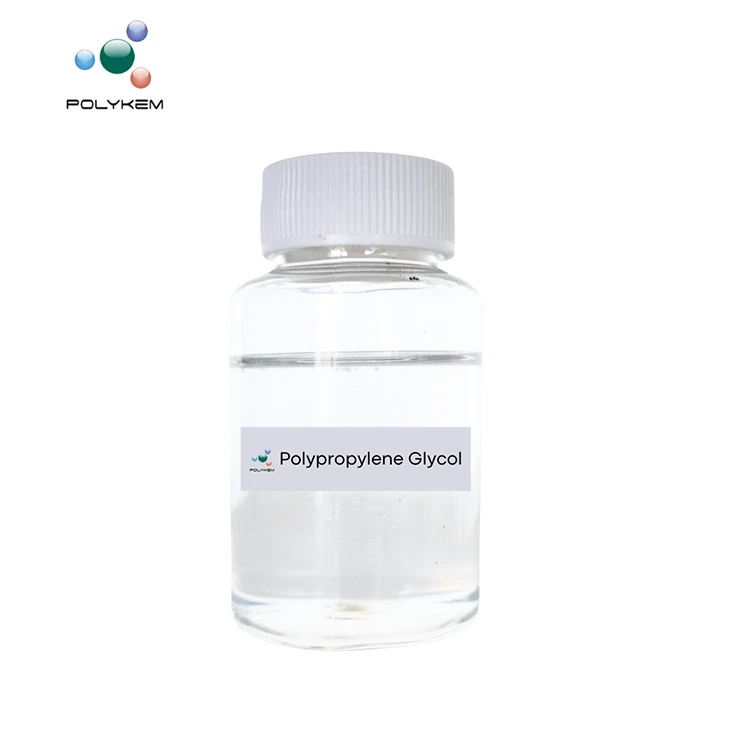
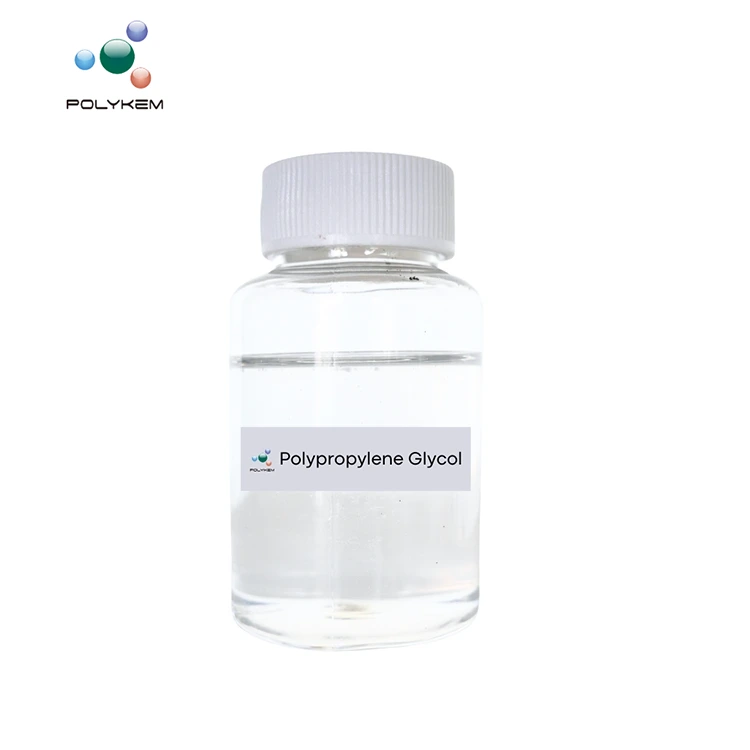
Polykem quality Polypropylene Glycol (PPG) is a nonionic polymer produced by ring-opening polymerization of propylene oxide, available in molecular weights ranging from 200 to 8000. It features low toxicity, good chemical stability and adjustable solubility — making it a versatile ingredient across polyurethane, lubricants, personal care and industrial formulation applications. Polykem supplies PPG in multiple grades with stable export capability to customers worldwide.

Polykem supplies quality Polypropylene Glycol in different molecular weight grades for customers working with lubricants, defoamers, polyurethane systems, coatings, sealants and industrial processing aids. Low molecular weight PPG grades usually have lower viscosity and better handling properties, while higher molecular weight grades become less water-soluble and more suitable for oil-based systems or polymer-related applications.


For formulation customers, Polykem PPG can be selected to adjust lubricity, foam control, flexibility, compatibility or hydrophobic performance according to the grade used. Lower PPG grades are easier to incorporate into liquid systems, while higher grades can contribute to polymer structure, softness or processing performance in polyurethane and coating applications.


Product Parameter


CAS No.25322-69-4

Chemical Formula: H(C3H6O)nOH


Specification

Appearance (25 ℃)

Colour and lustre Pt-Co

Hydroxyl value mgKOH/g

Molecular weight

Acid value mgkOH/g

Hydration (%)

pH (1%)

PPG-200

Colorless transparent oily viscous liquid


≤20

510~623

180-220

≤0.5

≤0.5

5.0~7.0

PPG-400

≤20

255~312

360-440

≤0.5

≤0.5

5.0~7.0

PPG-600

≤20

170~208

540-660

≤0.5

≤0.5

5.0~7.0

PPG-1000

≤20

102~125

900-1100

≤0.5

≤0.5

5.0~7.0

PPG-1500

≤20

68~83

1350-1650

≤0.5

≤0.5

5.0~7.0

PPG-2000

≤20

51~62

1800-2200

≤0.5

≤0.5

5.0~7.0

PPG-3000

≤20

34~42

2700-3300

≤0.5

≤0.5

5.0~7.0

PPG-4000

≤20

26~30

3700-4300

≤0.5

≤0.5

5.0~7.0

PPG-6000

≤20

17~20.7

5400-6600

≤0.5

≤0.5

5.0~7.0

PPG-8000

≤20

12.7~15

7200-8800

≤0.5

≤0.5

5.0~7.0


Key Performance Features of Polykem PPG


Adjustable Molecular Weight Range

Polykem PPG is available in different molecular weight grades from low to high viscosity ranges. This allows customers to select a suitable grade according to processing method, formulation structure and end-use performance requirements. Lower molecular weight grades are easier to handle in liquid systems, while higher grades are more suitable for polyurethane, coatings, sealants and polymer-related applications.


Flexible Solubility and Compatibility

Polypropylene Glycol shows different solubility behavior as molecular weight changes. Lower grades can offer better compatibility in liquid formulations, while higher grades are more suitable for oil-based or hydrophobic systems. This makes Polykem PPG useful in lubricants, defoamers, coatings, polyurethane systems and industrial auxiliaries where compatibility with other raw materials is important.


Low Moisture and Stable Quality Control

Moisture, acid value, hydroxyl value and appearance are important quality indicators for PPG. Polykem can supply PPG with stable batch control to support customers in repeat production, incoming inspection and formulation testing. Stable product quality helps reduce unexpected changes in viscosity, solubility or processing behavior during production.


Functional Support in Different Formulations

Depending on the selected grade, Polykem PPG can help adjust lubricity, foam control, flexibility, softness, hydrophobicity or processing performance. It can be used as a lubricant component, defoamer raw material, polyurethane soft segment material, coating modifier or industrial formulation aid.


Suitable for Multiple Industrial Applications

Polykem PPG can be used in polyurethane materials, lubricants, defoamers, coatings, sealants, elastomers and other industrial formulations. Customers can select different PPG grades according to molecular weight, hydroxyl value, viscosity, solubility and final application requirements.


Polypropylene Glycol


Industry Applications


Polypropylene Glycol sees its largest volume use in polyurethane systems. As a polyol raw material, PPG's hydroxyl end groups react with isocyanates to build the polymer chain. Molecular weight selection affects the softness, hardness and cell structure of the finished product — different grades are commonly specified for flexible foam, rigid board and elastomer applications.


In lubricant formulations, higher MW PPG grades offer the basic properties needed for water-based lubricants — good lubricity, reasonable thermal stability and low flash point. They are used in water-based metalworking fluids, hydraulic fluids and other applications where petroleum-based materials are restricted or not preferred.


For foam control, the hydrophobic character of high MW PPG makes it useful as a defoaming active component. It is used as a foam control agent in fermentation broths, industrial wastewater treatment and cleaning formulations.


In coatings and sealants, PPG is introduced mainly as a plasticizer or reactive intermediate, improving flexibility and adhesion in the cured film. Both waterborne and solvent-based systems are common application areas.


In personal care, low MW PPG grades appear in skin care and hair care products as humectants or solubilizers. Good compatibility and low irritation potential are the main reasons for their use.


Textile finishing and certain industrial processing applications also use PPG for its lubrication and low-foam characteristics.


Grade Selection Guide


PPG behaves quite differently depending on molecular weight, so grade selection matters more than it might seem at first.


PPG 200 – 400

These are the lightest grades — low viscosity, water-miscible, and easy to work with at room temperature. Most commonly seen in personal care and pharmaceutical formulations, where they function as humectants, solubilizers or processing aids in aqueous systems.


PPG 600 – 1000

Neither fully water-soluble nor strongly hydrophobic, mid-range grades sit in between and are often the practical choice for water-based lubricants, metalworking fluids and textile processing applications. Viscosity is manageable and lubricity is generally good.


PPG 2000 – 4000

Water solubility drops off here. These grades are commonly used as polyol components in flexible polyurethane foam and elastomer production, and also show up in industrial defoamer formulations where the hydrophobic character is actually the point.


PPG 6000 – 8000

High viscosity, strongly hydrophobic, and not water-soluble in any meaningful way. Applications tend to be rigid polyurethane systems, sealants, coatings and other polymer-based or oil-based systems where heavier grades are specifically required.


Not sure which grade fits your process or formulation? Contact Polykem — we can help narrow it down and arrange sample support if needed.


Documents & Quality Support


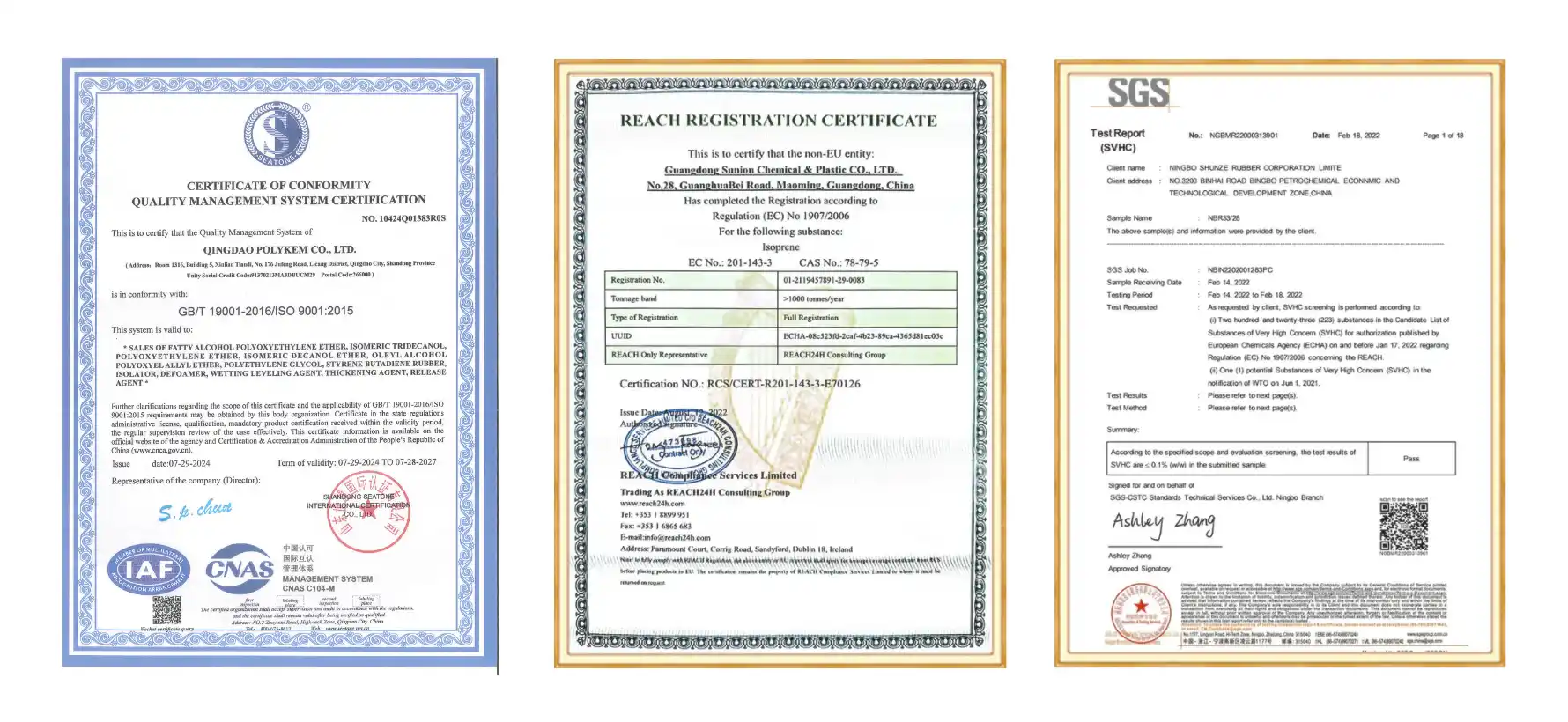
Polykem pays attention to quality control and document support during product supply. For Polypropylene Glycol and related chemical products, key indicators such as appearance, moisture, hydroxyl value, acid value, viscosity and packaging condition can be checked according to product grade and order requirements.


COA, SDS, TDS, REACH-related documents and third-party test reports can be provided according to product grade, shipment destination and customer order requirements. These documents help support quality review, safety assessment, import communication and supplier qualification before or after order confirmation.

Polypropylene Glycol


FAQ


What is the difference between PPG and PEG?

Both are polyether glycols, but PPG is based on propylene oxide while PEG uses ethylene oxide. The key practical difference is solubility — PEG is water-soluble across most molecular weights, while PPG becomes increasingly hydrophobic as molecular weight goes up. This makes them suited for different formulation needs.


Which PPG grade should I use for polyurethane foam?

It depends on whether you need flexible or rigid foam. PPG 2000–4000 is the more common range for flexible foam and elastomer applications. For rigid systems, higher MW grades are generally more appropriate. If you have specific hardness or density targets, contact Polykem and we can help identify a suitable starting point.


Is PPG safe for personal care use?

Low MW PPG grades (200–400) are widely used in cosmetic and personal care formulations as humectants and solubilizers. They are generally recognized as safe for topical use at typical formulation levels. For specific regulatory requirements in your market, we recommend reviewing the relevant safety data and compliance documentation.


Can PPG be used as a defoamer?

Higher MW PPG grades are hydrophobic and can function as defoaming active components in aqueous systems. They are used in fermentation, wastewater treatment and industrial cleaning formulations for foam control purposes.


What is the shelf life and storage requirement for PPG?

Polypropylene Glycol should be stored in a cool, dry and well-ventilated area, away from direct sunlight and heat sources. Under proper storage conditions, shelf life is typically 24 months. Keep containers sealed when not in use to prevent moisture absorption and contamination.


Do you provide samples or technical support?

Yes. Polykem offers free samples for qualified inquiries. If you need help with grade selection or application guidance, contact us directly and our team will follow up.


Hot Tags: Polypropylene Glycol
Send Inquiry
Contact Info
For inquiries about synthetic rubber, rubber additives, hydrocarbon resin or price list, please leave your email to us and we will be in touch within 24 hours.
X
We use cookies to offer you a better browsing experience, analyze site traffic and personalize content. By using this site, you agree to our use of cookies.Privacy Policy
RejectAccept