Products
Polyethylene Glycol
  • Polyethylene GlycolPolyethylene Glycol

Polyethylene Glycol

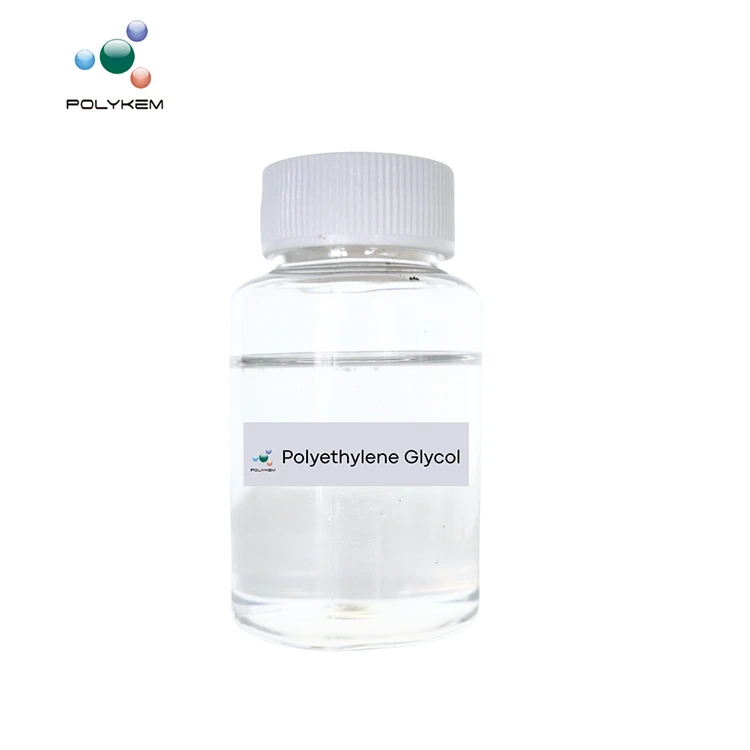
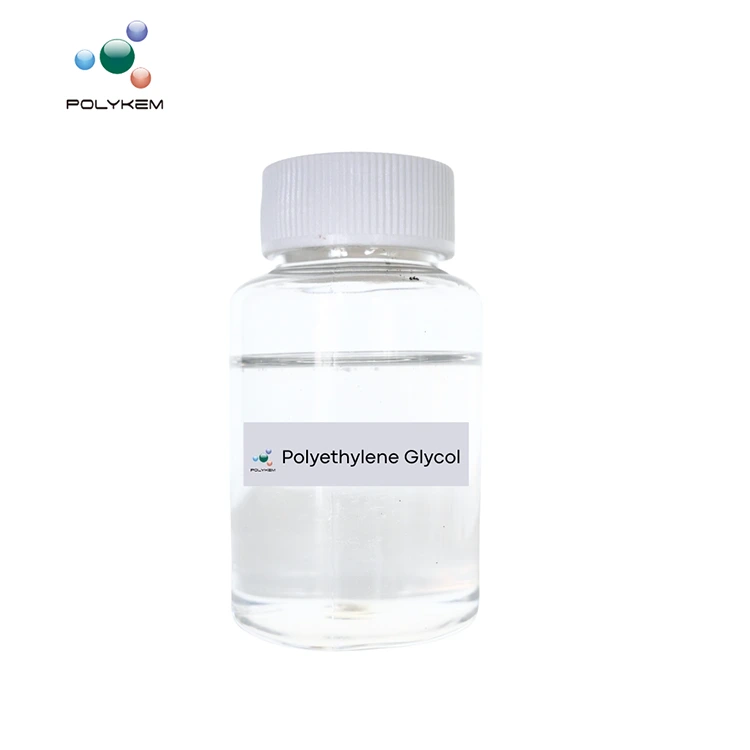
Polyethylene Glycol (PEG) is a water-soluble polymer produced through the polymerization of ethylene oxide. Available in molecular weights ranging from approximately 200 to 20000. Polyethylene Glycol is widely used in pharmaceutical formulations, personal care products and industrial processing. Typical functions include serving as an excipient or carrier, humectant, lubricant and component of metalworking fluids. Polykem supplies a broad range of PEG grades to meet different application and processing requirements.

Polykem provides high-quality Polyethylene Glycol in a broad range of grades, including PEG 200, PEG 400, PEG 600 and PEG 1000, as well as higher-molecular-weight options. Our PEG products offer low toxicity, good biocompatibility, and excellent moisture absorption and retention. With reliable quality control and competitive pricing, Polykem supports customers from laboratory-scale testing to industrial-scale supply.


Product Parameter


CAS No. 25322-68-3

Chemical Formula: (C2H4O)nH2O


Trade Name

Melting point

water% (max)

average Mw

PH value (5% aq)

Color(30℃) APHA(max)

FORM in 25℃

Flash Point ℃

OHV mg KOH/g

PEG 200


0.5

190~210

4.0~7.0

30

L

>150

549~590

PEG 300


0.5

285~315

4.0~7.0

30

L

>200

356~393

PEG 400

4~8

0.5

380~420

4.0~7.0

40

L

>200

267~295

PEG 600

18~22

0.5

570~630

4.0~7.0

40

L

>200

178~196

PEG 800


0.5

774~831

5.5~7.5

30

L

>200

135~145

PEG 1000

35~39

0.5

950~1050

4.0~7.0

*:30

S

>200

107~118

PEG 1540

43~47

0.5

1300~1600

4.0~7.0

*:30

S

>200

70~86

PEG 2000

49~53

0.5

1800~2200

4.0~7.0

*:30

S

>200

51~62

PEG 3000

53~57

0.5

2800~3200

4.0~7.0

*:40

S

>200

35~40

PEG 3350

53~57

0.5

3080~3680

4.0~7.0

*:40

S/F

>200

30.5~36.5

PEG 4000

53~57

0.5

3400~4000

4.0~7.0

*:40

S/F

>200

28~33

PEG 5500


0.5

5000~6000

4.0~7.0

*:40

F

>200

18.7~22.4

PEG 6000

56~61

0.5

5800~6500

4.0~7.0

*:40

F

>200

17.3~19.3

PEG 8000

56~61

0.5

7400~9000

4.0~7.0

*:40

F

>200

12.5~15.2

PEG 11000

56~61

0.5

10700~12000

4.0~7.0

*:40

F

>200

9.0~12.0

PEG 12000

56~61

0.5

11000~13700

4.0~7.0

*:40

F

>200

8.2~10.2

PEG 13000

56~61

0.5

11800~15000

4.0~7.0

*:40

F

>200

7.5~9.5

PEG 20000

54~64

0.5

16000~25000

5.0~8.0

*:40

S

>200

4.5~7.0


Key Performance Features


Wide Molecular Weight Range

Polykem supplies PEG grades across a broad molecular weight range, allowing customers to select liquid, waxy or solid products according to processing and application requirements.


Good Water Solubility

Most Polykem PEG grades offer good water solubility, supporting use in aqueous formulations and processing systems.


Lubrication and Processing Support

Selected PEG grades can provide lubrication, moisture control and processing support in rubber compounding, metalworking, plastics and other industrial applications.


Stable Chemical Properties

Polykem Polyethylene Glycol offers good chemical stability under normal handling and storage conditions, supporting consistent performance in industrial formulations.


Polyethylene Glycol Grade Selection


Molecular weight affects physical form, viscosity and handling. Buyers should also consider processing temperature, required consistency and the specifications of the final product.


PEG Range
Typical Physical Form
General Selection Considerations
PEG 200–600
Liquid or semi-liquid
Suitable where easy pumping, mixing, liquid dosing or good formulation compatibility is required
PEG 800–2000
Soft solid to waxy solid
Considered when lubrication, moisture retention and added consistency are needed
PEG 3000–8000
Solid or flakes
Suitable for applications requiring higher consistency, binding or lubrication
PEG 11000–20000
High-molecular-weight solid
Selected where a higher molecular weight and solid form are required for processing or final product performance

Polykem can help match a suitable PEG grade based on the target application, processing conditions and required molecular weight.


Applications


Metalworking and Lubrication

Used in metalworking fluids and lubricants to support lubrication and processing performance.


Coatings and Adhesives

Can be used as a processing aid, plasticizing component or compatibility modifier.


Rubber and Plastics

Selected grades support lubrication, dispersion and processing in rubber and plastic systems.


Personal Care and Formulations

Used as a humectant, carrier, solubilizing component or consistency modifier, depending on the grade.


Other Industrial Uses

Higher molecular weight grades may be used in binders and other solid-form processing applications.


Polykem Product Advantages


 - Multiple PEG Grades & Grade Matching

Polykem supplies PEG grades across different molecular weight ranges and can support product matching based on application, processing requirements and target specifications.


 - In-house Laboratory & Quality Control

Polykem has an in-house laboratory and professional quality team to monitor key product indicators and support batch consistency before shipment.


 - Free Sample Support

Free samples are available for qualified projects to help customers evaluate suitable PEG grades before bulk purchasing.


 - Technical & Compliance Documentation

Available documents include COA, SDS, TDS, ISO 9001 certification and REACH-related documentation according to product and market requirements.


 - Flexible Packaging, OEM & Export Support

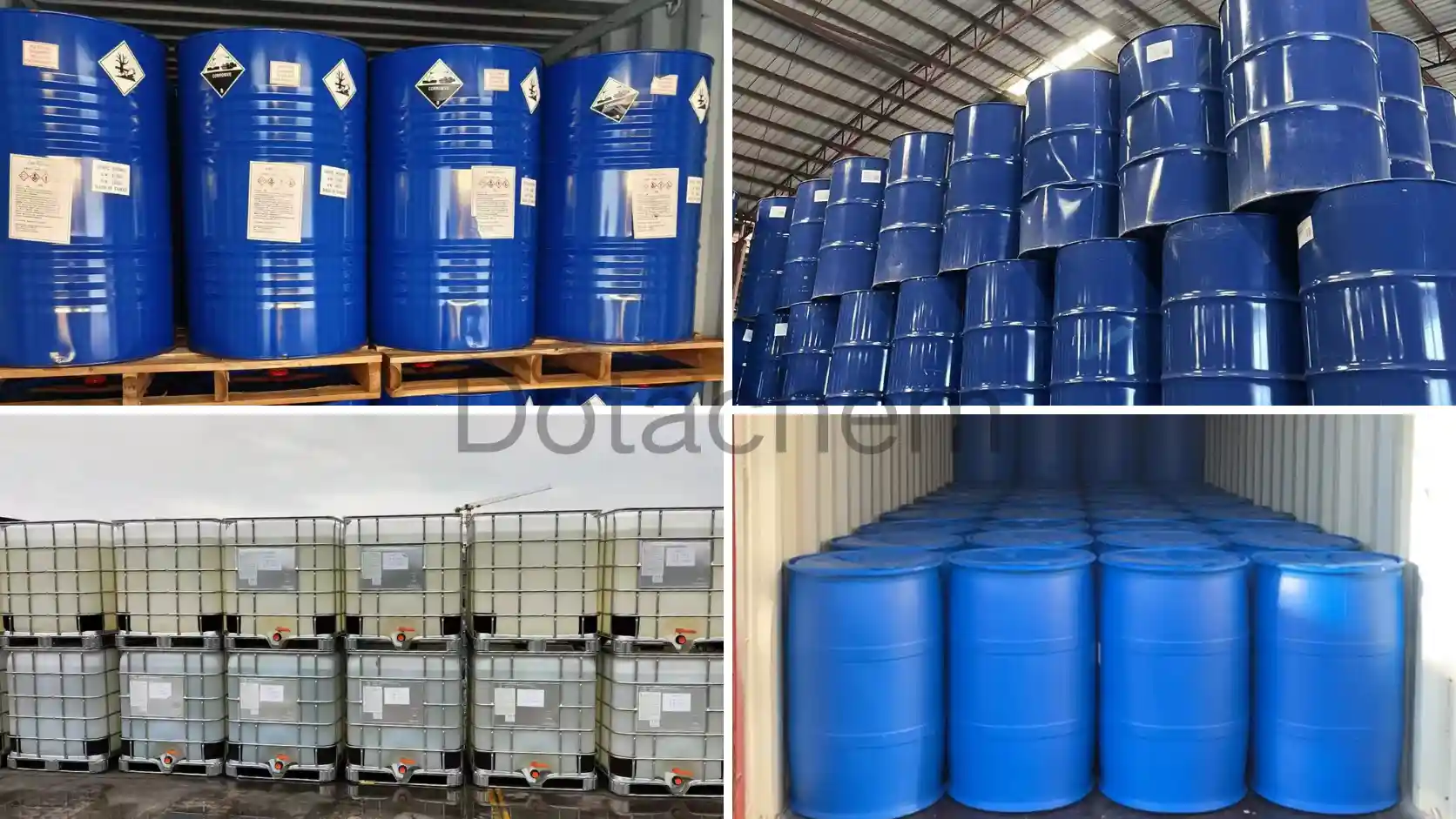
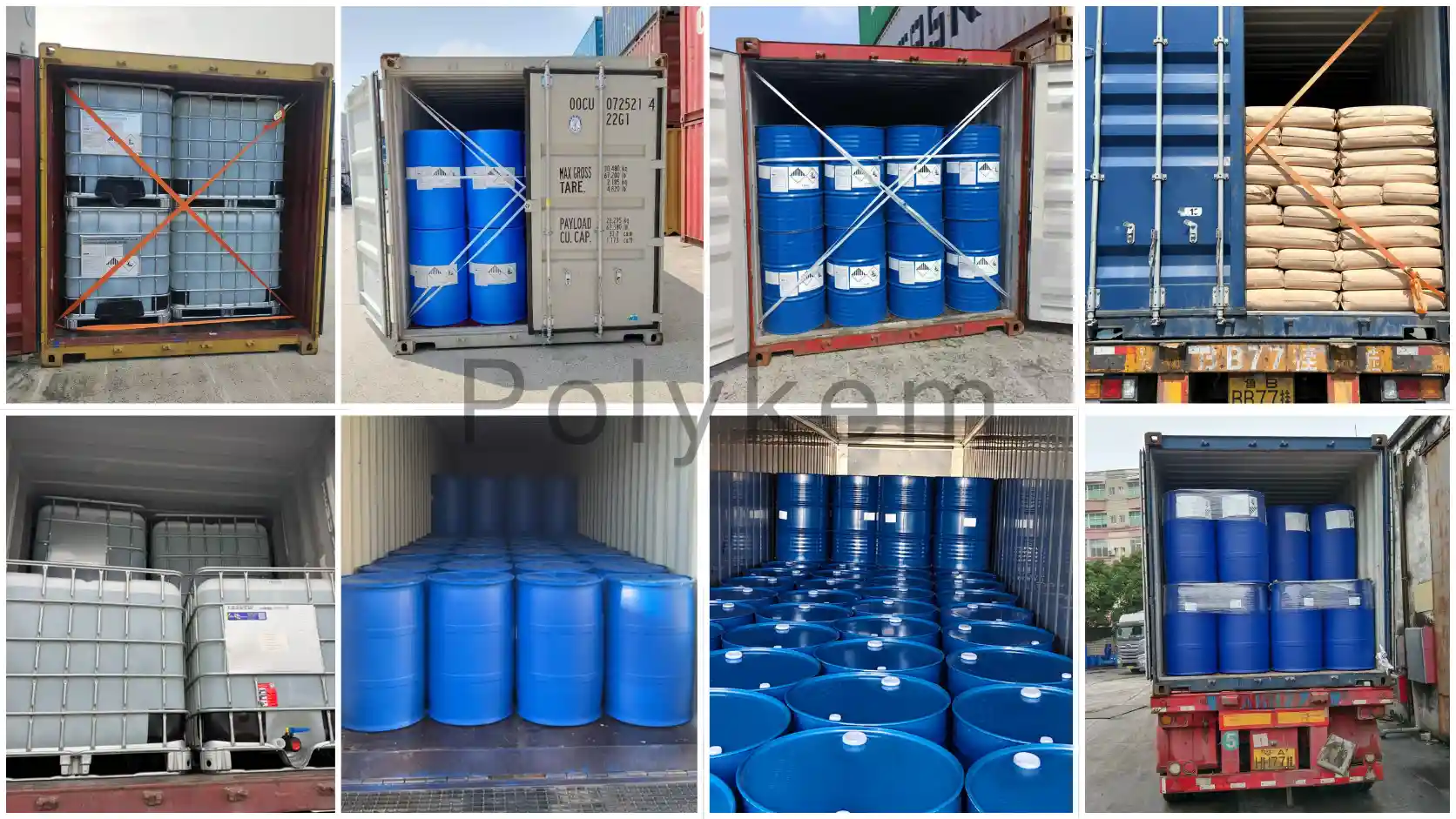
Polykem supports flexible packaging arrangements, OEM packaging and labeling, as well as export coordination for regular and bulk orders.


FAQ


1. Does Polykem support customized packaging and bulk orders?

Yes. Polykem supports flexible packaging, OEM packaging and labeling, as well as regular and bulk order arrangements with export coordination.


2. Can PEG be used in rubber and plastics processing?

Yes. Selected PEG grades can be used as lubricants, dispersing aids or processing aids in rubber compounds and plastic systems. The suitable grade and dosage should be tested in the actual formulation.


3. What payment terms does Polykem accept?

Polykem accepts T/T, L/C, Western Union and other agreed payment methods. Payment terms can also be discussed according to order quantity, destination and long-term cooperation details.


4. Will Polykem participate in industry exhibitions?

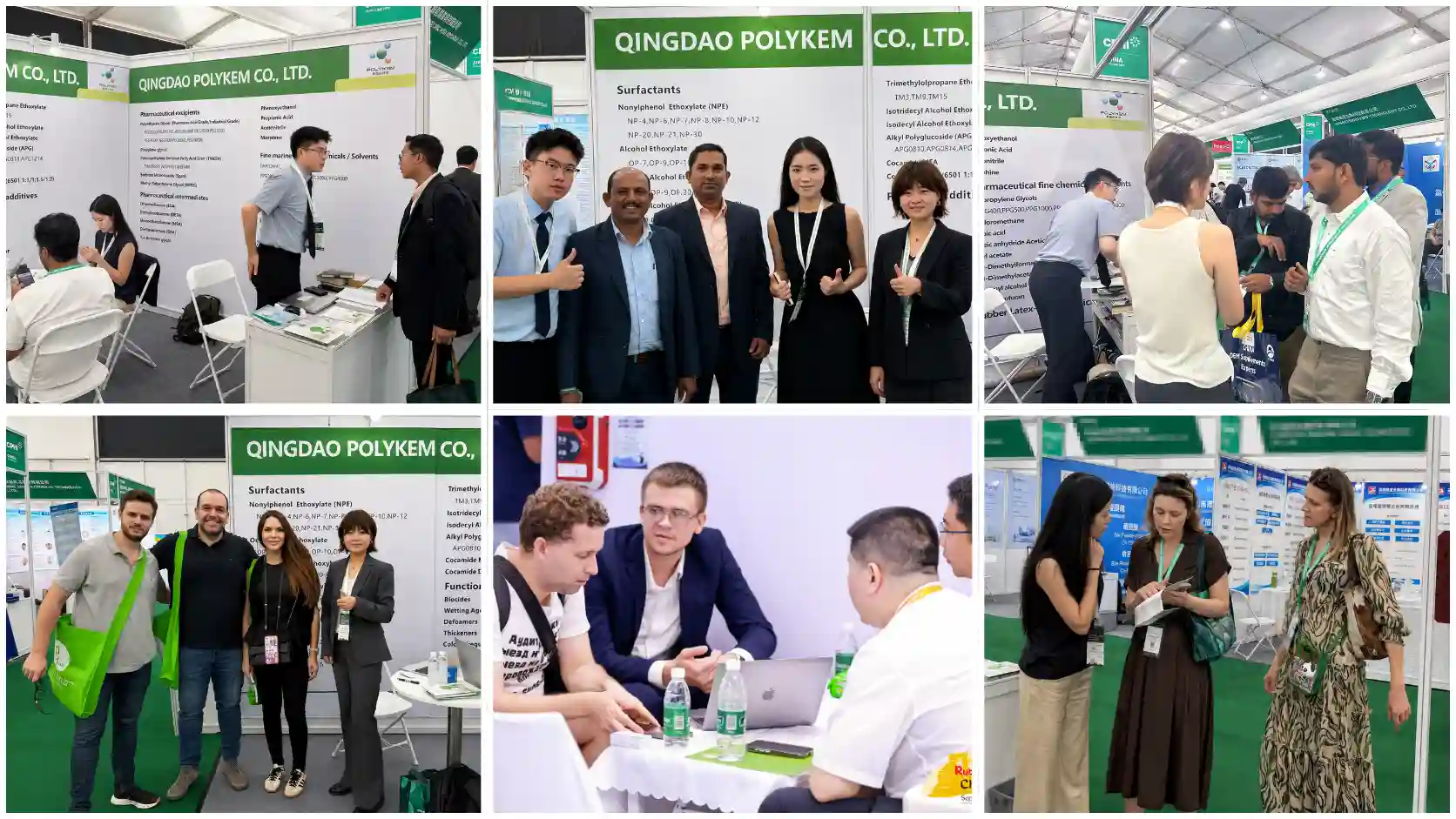
Yes. Polykem will participate in several major chemical industry exhibitions in the second half of the year, giving us more opportunities to meet customers and partners in person. Please follow our official website for the latest exhibition updates and meeting information.


Related Articles


Hot Tags: Polyethylene Glycol
Send Inquiry
Contact Info
For inquiries about synthetic rubber, rubber additives, hydrocarbon resin or price list, please leave your email to us and we will be in touch within 24 hours.
X
We use cookies to offer you a better browsing experience, analyze site traffic and personalize content. By using this site, you agree to our use of cookies.Privacy Policy