An industrial cleaner may loosen oil effectively but still leave a film after rinsing. Another may mix easily with water yet struggle with greasy surfaces. Choosing a surfactant means balancing both tasks.
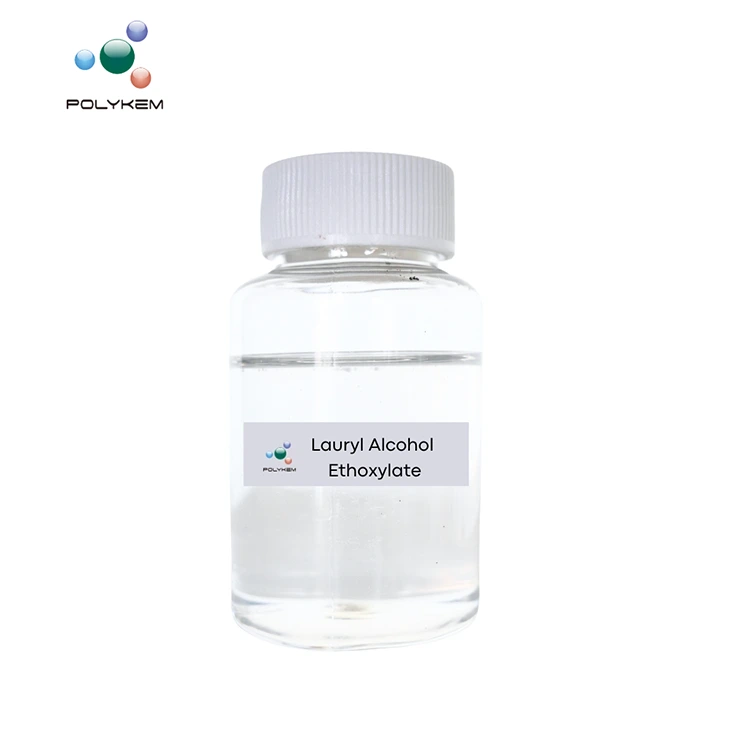
AEO-5 is a nonionic surfactant in the Lauryl Alcohol Ethoxylate family, with an average of approximately five ethylene oxide units per alcohol molecule. Polykem includes AEO-5 in its Lauryl Alcohol Ethoxylate range for customers developing industrial cleaning and emulsification formulations.
How AEO-5 Helps with Oily Soils
Water alone does not spread readily over an oily surface. Alcohol ethoxylates help improve contact between the cleaning liquid and contamination, supporting wetting and the removal of oily residues. They are used in a range of detergent and hard-surface cleaning formulations.
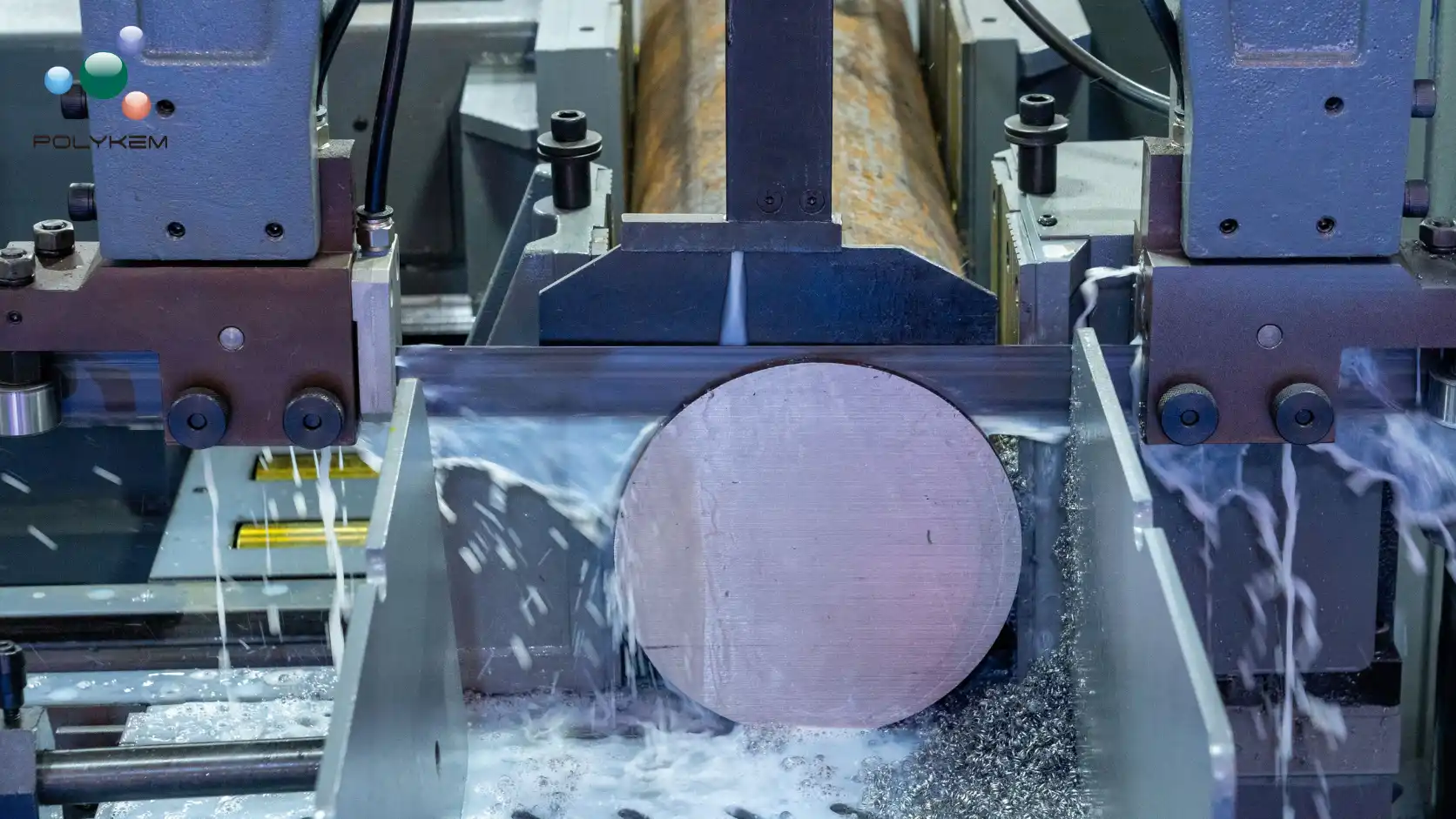
For AEO-5, the practical aim is to combine interaction with oily soils and sufficient compatibility with the cleaning bath. This makes it a candidate for surfactant blends used in equipment cleaning, metal degreasing and other oil-removal tasks. The result depends on the soil: a light processing oil and a thick grease deposit will not necessarily respond to the same formulation.
Why Water Compatibility Matters
AEO-5 should not be selected on oil removal alone. The concentrate must remain usable during storage, and the diluted cleaner must perform at its intended temperature and concentration.
Within a comparable alcohol ethoxylate series, increasing EO content generally increases water affinity. AEO-5 therefore offers a different balance from AEO-3 or AEO-9, rather than simply being a stronger or weaker version.
If a formulation shows poor dispersion or separates after dilution, the answer may be to adjust the surfactant blend, solvent or hydrotrope—not simply add more AEO-5. Alkali, salts and other ingredients can also change how the complete system behaves.
Choosing a Blend That Cleans and Rinses Well
AEO-5 can be evaluated alongside more hydrophilic surfactants when a formulation needs both oil interaction and better compatibility with water. A higher-EO grade may be worth considering where aqueous compatibility is the main limitation, but it is not automatically a better cleaner.
A useful trial follows the actual cleaning cycle: apply the cleaner to the intended surface, allow the normal contact time, then rinse and inspect for residue. For spray or circulating systems, include foam behaviour in the comparison. The AEO-5 designation alone does not guarantee low-foam performance.
Polykem supplies AEO-5 and other Lauryl Alcohol Ethoxylate grades, with customized packaging and free samples for formulation testing. We also supply C13 Alcohol Ethoxylates for customers evaluating alternative surfactants for industrial cleaning and wetting formulations.
Share your soil type, cleaning method and operating temperature so our team can help narrow down the options. Contact Polykem for samples and quotations.