News

PEG 4000 for Rubber Compounding: Filler Dispersion and Processing Benefits

2026-09-09 0 Leave me a message


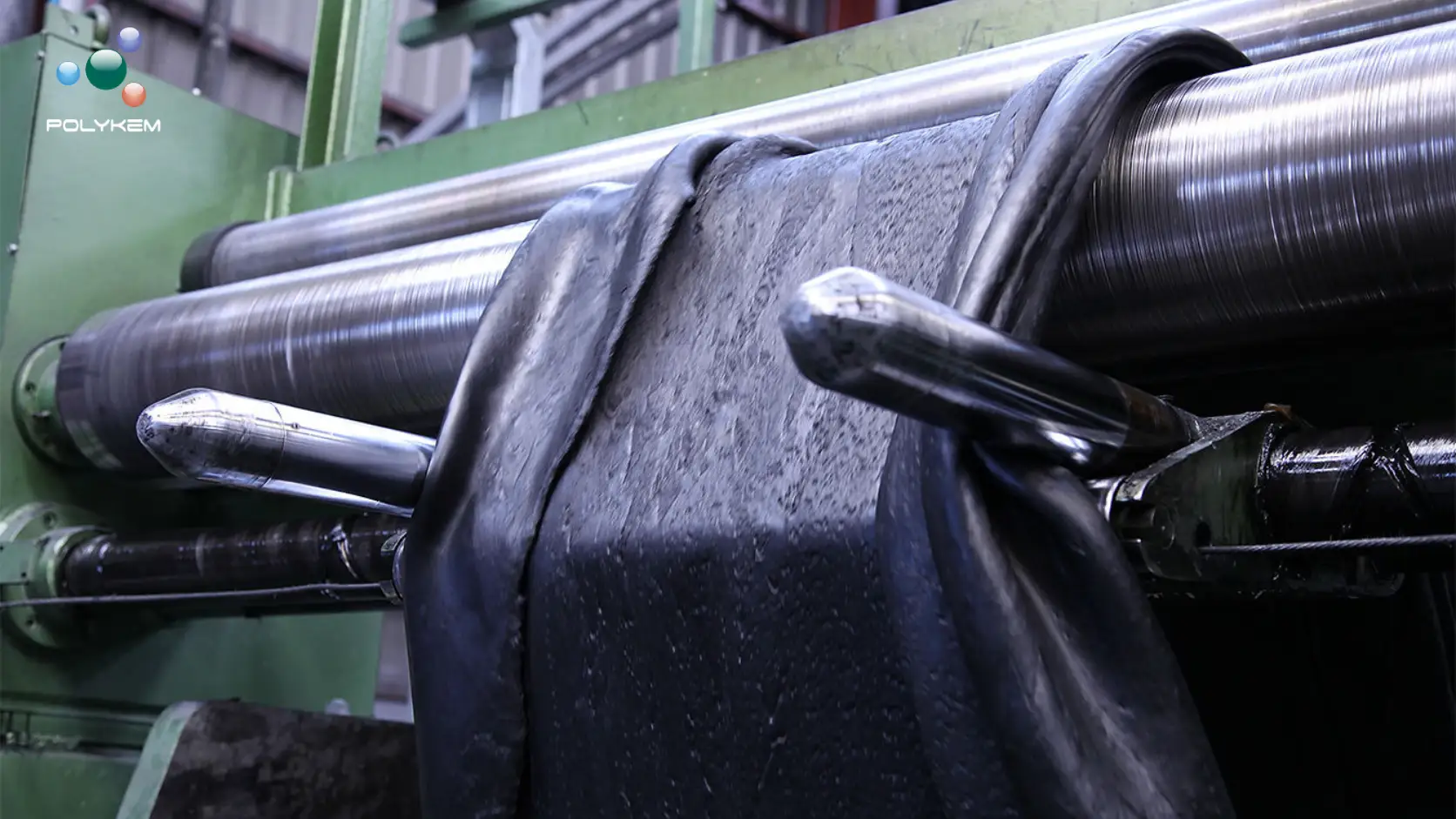
Fillers are essential to many rubber compounds, but they can make mixing more difficult. Silica and other mineral fillers tend to form agglomerates, increasing compound viscosity and placing extra load on the mixer. PEG 4000 for rubber compounding is used in selected formulations to support filler dispersion and improve processing.


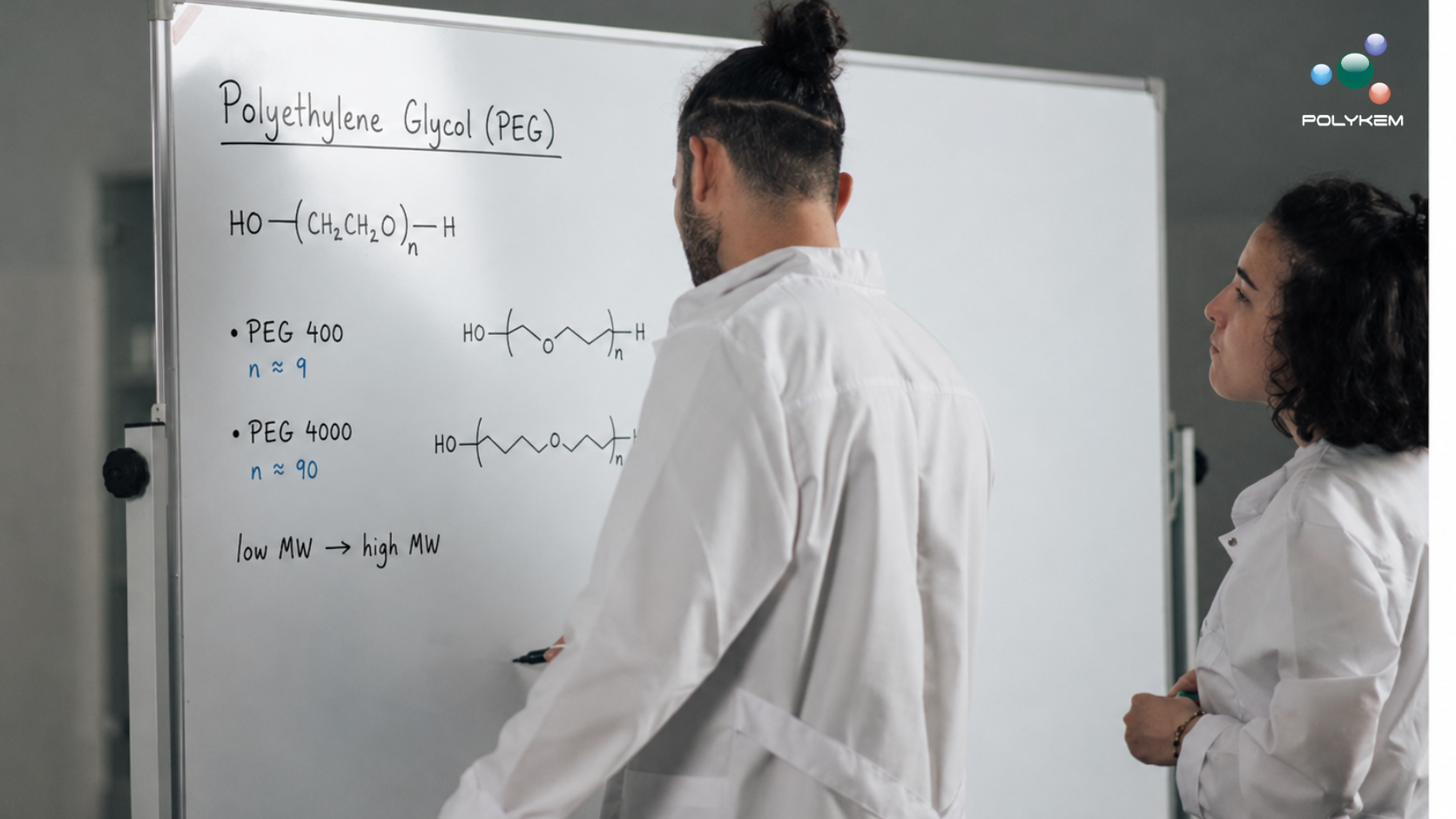
Polykem supplies polyethylene glycol across a broad molecular-weight range, including PEG 4000 for rubber and other industrial applications.


How PEG 4000 Behaves During Mixing


PEG 4000 is a water-soluble, nonionic polymer with an average molecular weight of approximately 3,400–4,000. It is normally supplied as a solid or flake at room temperature. Its melting range is about 53–57°C, so it softens as the rubber compound heats up in the mixer.


Once softened, PEG 4000 can spread through the compound and reach the surfaces of polar fillers. This is particularly relevant in silica-filled rubber. Silica particles carry silanol groups on their surfaces, which encourage the particles to associate with one another and make uniform dispersion more difficult.


PEG can interact with these surface sites and reduce some of the filler-to-filler attraction. The result may be easier filler incorporation, lower compound viscosity and a more even distribution of silica. Similar processing benefits may also be observed in selected mineral-filled formulations.


PEG 4000 is therefore used as a rubber processing aid where filler-surface interactions affect mixing. It should not be regarded as a general lubricant or as a direct substitute for every conventional processing additive.


More Than Filler Dispersion


Active sites on silica and other polar fillers may adsorb components from the curing system. This can alter scorch behaviour and make cure performance less predictable. By occupying some of these sites, PEG 4000 may reduce unwanted adsorption and help the curing ingredients work more consistently.


The effect is not identical in every compound. Polymer type, filler loading, accelerator package and mixing sequence can all change the outcome. Adding more PEG does not necessarily produce better processing or stronger finished rubber.


For this reason, compound trials should examine several results together. Mixing torque and Mooney viscosity provide information about processability, while the cure curve and final physical properties show whether the formulation remains properly balanced.


Where Is PEG 4000 Used in Rubber?


PEG 4000 may be considered for silica- and mineral-filled compounds used in tyres, footwear, hoses, belts, seals, extruded profiles and general moulded rubber goods. The actual function can vary: one formulation may use it mainly to improve silica dispersion, while another may focus on viscosity control or more stable processing.


Its solid form is convenient for weighing and production handling compared with lower-molecular-weight liquid PEG grades. Depending on the mixing process, PEG 4000 can be introduced together with the filler or at another suitable stage of the mixing cycle.


A laboratory trial remains the most reliable basis for setting the dosage and addition sequence. The complete compound—not PEG 4000 in isolation—determines the final processing and curing behaviour.


Polykem supplies a broad range of polyethylene glycol grades, from low-molecular-weight liquids to higher-molecular-weight solids, including PEG 4000 for rubber compounding. Customers can also explore Polykem’s rubber additives for other compounding requirements. Product specifications, batch documentation and samples are available for evaluation. For grade selection, trial quantities or quotations, please contact Polykem.


Related News
Leave me a message
X
We use cookies to offer you a better browsing experience, analyze site traffic and personalize content. By using this site, you agree to our use of cookies. Privacy Policy
RejectAccept