Hydrogenated Nitrile Butadiene Rubber
Polykem supplies Hydrogenated Nitrile Butadiene Rubber to automotive, oilfield, industrial equipment and other demanding sectors, with grade discussion, application matching, samples, technical documents and export delivery included.
Take NBR and saturate the double bonds along its butadiene backbone through hydrogenation, and the result is HNBR. That single structural change is what separates the two materials: the polymer becomes more stable, ages more slowly, and tolerates heat, ozone and corrosive media at levels standard NBR cannot match.
Buyers receive help with grade discussion, application matching, samples, technical documents and export delivery, not just a quotation.
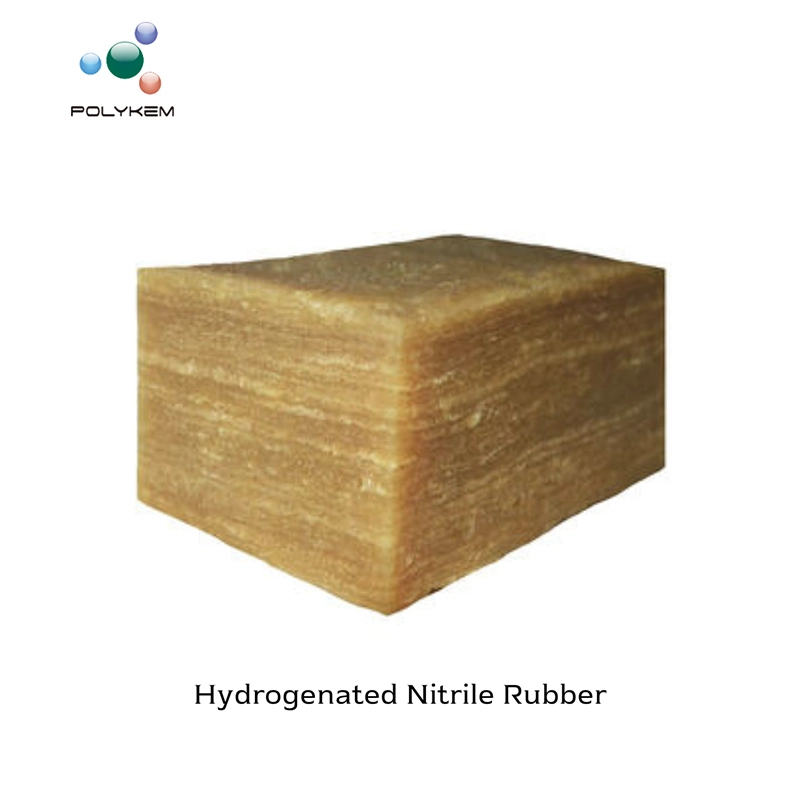
Deciding Between HNBR and NBR
Most sourcing conversations start with the same question: is NBR good enough, or does the part need HNBR?
NBR covers a large share of oil-resistant rubber parts at a favorable cost, and for many applications it remains the sensible answer. The calculation changes when the part must survive sustained heat, outdoor weathering, fuel exposure, oxidation or repeated dynamic loading over a long service life. Those are the conditions where standard NBR tends to reach its limit, and where Hydrogenated Nitrile Butadiene Rubber's saturated structure starts to pay off.
HNBR is also raised as a cost-conscious alternative to FKM. Where the service environment does not require FKM's full chemical or temperature ceiling, it can deliver adequate performance at a lower material cost. The decision should follow the actual medium, temperature, pressure and service life rather than a blanket preference.
Performance Profile
Heat and Aging
Long operating hours at elevated temperature are HNBR's home ground. Resistance to heat aging, oxidation and ozone runs ahead of standard NBR, which is why the material appears in engine compartments, industrial machinery and outdoor installations.
Standard grades are commonly used up to about 150°C for continuous service, with specialty grades reaching roughly 165–170°C. On the low side, standard grades typically remain serviceable to about -40°C, and low-temperature specialty grades can go lower. These are indicative ranges, not guarantees: the usable window shifts with ACN content, hydrogenation level, cure system and compound design, so the actual limit should be confirmed against the selected grade and test conditions.
Oil and Fuel Contact
HNBR retains the oil and fuel resistance that made NBR popular in sealing systems. Lubricating oils, fuels, hydraulic fluids and similar media are routine contact environments. Confirm the specific fluid, temperature and contact pattern before locking in a grade.
Mechanical Durability
Tensile strength, wear resistance and dynamic behavior are strong points. Parts subjected to repeated compression, motion or friction benefit from longer life and fewer early failures. O-rings, seals, belts and molded industrial parts are typical beneficiaries.
Ozone and Weathering
Outdoor exposure and air contact accelerate cracking and hardening in standard NBR. HNBR resists ozone, oxidation and weathering better, reducing the risk of surface degradation in exposed service.
Fluid and Chemical Compatibility
Oilfield fluids and certain chemical processing media may be suitable for HNBR. Compatibility is governed by the medium, temperature, concentration and compound design, so working conditions should be verified before selection. Polykem can review application details with you.
HNBR is not a universal chemical barrier. Strong oxidizing agents, high-temperature steam, aromatic hydrocarbon oils, polar organic solvents, ketones, ethers, esters and strong acids are generally outside its comfort zone, and some oilfield environments containing hydrogen sulfide require specific evaluation. Alcohol-blended fuels and ester-based fluids should be assessed case by case rather than assumed compatible. Sharing the exact medium, concentration and temperature with Polykem allows a more accurate recommendation.
HNBR vs. FKM: A Practical Split
HNBR sits between NBR and FKM rather than replacing either outright. A workable starting rule: where service temperature stays around or below 150°C, the medium is a petroleum-based oil or fuel, and no strong polar solvent is involved, Hydrogenated Nitrile Butadiene Rubber can be a cost-effective candidate. Once temperature climbs higher or the medium includes alcohol blends, aromatic hydrocarbons or strong acids, FKM or further application testing becomes the safer path. The final call should rest on the confirmed medium, temperature and required service life.
Grade Variables and Technical Parameters
HNBR is not a single specification. Acrylonitrile content moves the balance toward mineral oil resistance as it rises, while lower ACN content favors low-temperature flexibility. Hydrogenation level, Mooney viscosity and curing system each shift the final property set, and hydrogen peroxide or sulfide-cured grades are typically preferred where compression strength and heat resistance are the priorities.
Peroxide curing is the common route for HNBR and generally supports better heat resistance and lower compression set. Sulfur curing can improve flexibility in dynamic applications but tends to trade away some heat resistance and compression-set performance. Buyers moving from an NBR compound should expect the cure system to need rework rather than carrying the existing formulation across unchanged.
Because parameters differ across grades, the practical route is to send your application data or a completed inquiry form. Polykem will align the grade variables with your requirements instead of quoting from a generic datasheet.
Where HNBR Is Used
HNBR suits rubber parts that demand more oil resistance, heat resistance and aging performance than NBR can supply. Common parts include:
1. O-rings and sealing components
2. Oil seals and gaskets
3. Automotive rubber parts
4. Fuel system components
5. Industrial hoses
6. Rubber belts
7. Oilfield and drilling equipment parts
8. Machinery and hydraulic system components
9. Molded rubber products
Performance in service also reflects compound design, curing system, filler selection, processing conditions and the working environment. Material and compound should be selected together.
Buying HNBR from Polykem
Price is only one line in an HNBR purchasing decision. Material consistency, communication clarity, packaging suitability and export reliability carry equal weight.
Polykem supports buyers of Hydrogenated Nitrile Butadiene Rubber with:
1. Grade discussion driven by application requirements
2. Free samples for testing
3. Product specifications and technical documents
4. OEM packaging and shipment coordination
5. Stable supply and export delivery
6. Competitive pricing and flexible order quantities
7. Consistent batch quality
Inquiries receive a reply within one working day, together with product information, quotation support, sample arrangement, packaging coordination and shipment support.
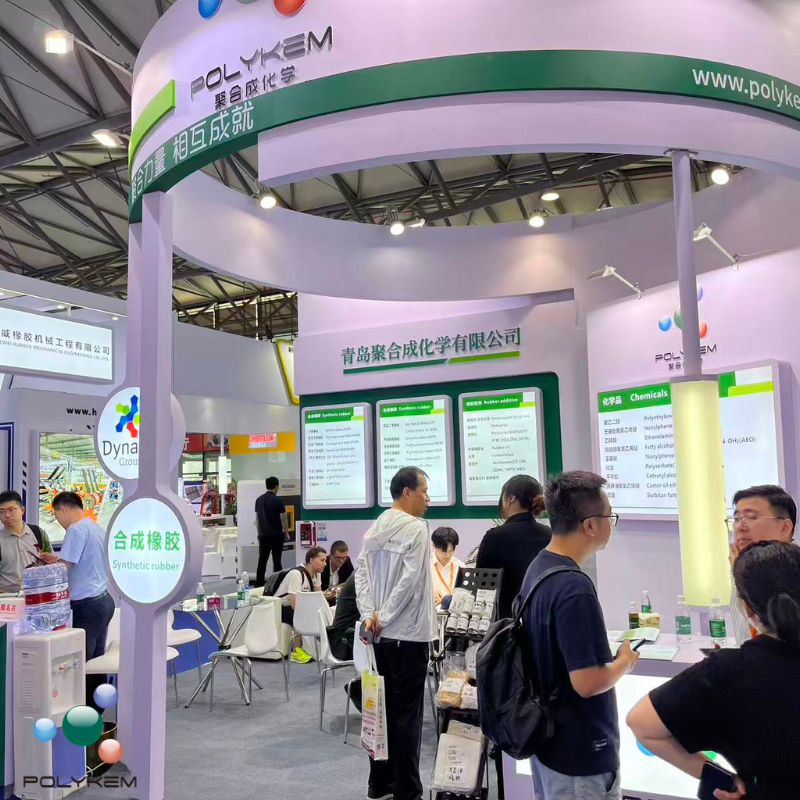
Company Strength and Support
Experience and Scale
-
15+ years of experience in the rubber industry
-
110 rubber raw materials available for sale
-
Synthetic rubber exported to more than 40 countries
-
700+ customers served across 100+ industries
-
29 product categories covering 115 products
Supply Chain and Quality
-
Trading company and one-stop synthetic rubber supplier
-
Import, export and distribution of rubber raw materials
-
Certified, established manufacturers with long-term partnerships
-
Independent rubber testing laboratory for batch quality verification
-
ISO 9001, SGS certification and REACH registration
-
Certificate numbers and issuing bodies available upon request
Product Portfolio
Buyer Support
-
Grade matching against application, temperature and contact medium
-
Free samples for laboratory or production trials
-
TDS, SDS and COA documentation
-
OEM packaging and labeling arrangements
-
Flexible order quantities from trial to bulk volume
-
Export documentation, shipment scheduling and delivery follow-up
-
Product manager response within 1 working day
Registered Address
-
Xinlian Plaza, No.176 Jufeng Road, Licang District, Qingdao, Shandong, China
-
Verifiable through public business records
Packaging and Storage
Packaging: standard supply is 25 kg bales or polyethylene-lined bags; packaging may vary by grade and order requirements.
Storage: keep HNBR in a cool, dry, well-ventilated place, away from direct sunlight, heat sources, ozone and strong oxidizing materials. Leave the original packaging sealed until use. Under proper storage conditions, shelf life is typically 2–3 years from the production date.
FAQ
Is Polykem a reliable HNBR supplier in China?
Polykem is a China-based rubber and chemical materials supplier with export experience in Europe, the Middle East and Southeast Asia. Buyers of Hydrogenated Nitrile Butadiene Rubber receive support with grade discussion, samples, technical documents, packaging coordination and export delivery.
What is the minimum order quantity for HNBR?
MOQ depends on the grade, packaging requirements and order details. Send your application, target quantity and destination, and Polykem will propose a suitable arrangement.
What is the typical lead time for HNBR orders?
Lead time varies with grade availability, order volume, packaging requirements and shipment schedule. Contact Polykem for current stock status and estimated delivery time.
How should HNBR rubber be stored?
Store in a cool, dry, well-ventilated place away from direct sunlight, heat sources, ozone and strong oxidizing materials. Keep the original packaging sealed before use. Shelf life is typically 2–3 years from the production date under proper conditions.
What quality documentation is available?
Polykem operates under ISO 9001 quality management standards. COA, TDS and SDS can be provided on request for HNBR shipments.
How do I select the right HNBR grade?
Grade selection depends on ACN content, Mooney viscosity, hydrogenation level, curing system, working temperature and the type of oil, fuel or fluid contact. Share your application requirements with Polykem and we will discuss suitable material options.
What is the actual service temperature range of HNBR?
Standard grades are commonly used up to about 150°C continuous, with specialty grades reaching roughly 165–170°C. Low-temperature service typically starts around -40°C for standard grades, with specialty grades extending lower. The usable range depends on the selected grade and compound, so working conditions should be confirmed during selection.
How does ACN content affect HNBR selection?
Higher acrylonitrile content improves resistance to mineral oils and fuels but reduces low-temperature flexibility. Lower ACN content favors low-temperature performance at some cost to oil resistance. The right balance depends on the contact medium and temperature range of the finished part.
Which media are not suitable for HNBR?
Strong oxidizing agents, high-temperature steam, aromatic hydrocarbon oils, polar organic solvents, ketones, ethers, esters and strong acids generally fall outside HNBR's range. Alcohol-blended fuels and ester-based fluids require case-by-case assessment. Some hydrogen-sulfide-containing oilfield environments also need specific evaluation.
Should the cure system change when switching from NBR to HNBR?
Usually yes. Peroxide curing is common for HNBR and supports heat resistance and low compression set, while sulfur curing favors dynamic flexibility at some cost to heat resistance. Existing NBR formulations generally need rework rather than direct transfer.
When should HNBR be chosen over FKM?
HNBR is a practical candidate when service temperature stays around or below 150°C, the medium is a petroleum-based oil or fuel, and no strong polar solvent is involved. Higher temperatures or more aggressive media generally point toward FKM or further application testing.
Can Polykem provide samples before ordering?
Yes. Free samples can be arranged for laboratory evaluation or initial production testing. Availability and quantity depend on the selected grade and application.
Does Polykem support OEM packaging?
Yes. OEM packaging and labeling can be discussed according to grade, order quantity and transport conditions.
Contact Polykem
Send your application, required quantity and destination to receive a suitable Hydrogenated Nitrile Butadiene Rubber grade, quotation, samples and technical documents.
· 110 rubber raw materials · 40+ export countries · 700+ customers served · independent rubber testing laboratory · ISO 9001, SGS and REACH-related documentation
Product managers reply within 1 working day. Leave a message!