HNBR Rubber
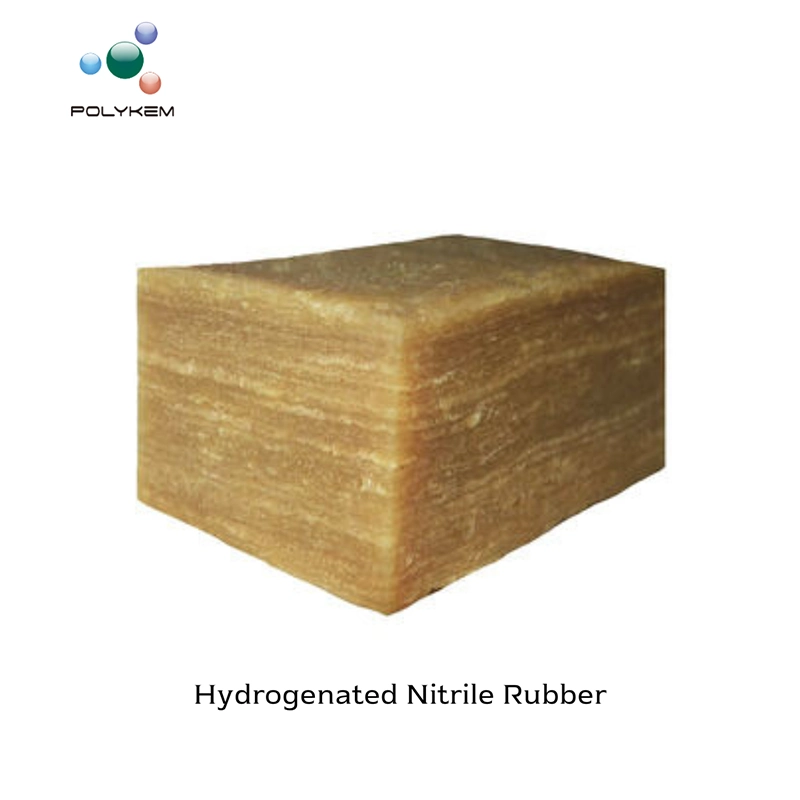
Polykem supplies HNBR rubber to seal makers, automotive component producers, oilfield equipment suppliers and industrial rubber part manufacturers. Buyers work with our team on grade discussion, application matching, sample arrangement, technical documents and export delivery.
The product begins as a synthetic rubber copolymer and ends up as a material of choice for rubber seals. The starting point is nitrile butadiene rubber; the transformation is hydrogenation, which saturates the unsaturated bonds sitting in the butadiene units of the polymer chain.
That hydrogenation step is the whole story behind HNBR's property profile. Saturation raises the polymer's stability, slows anti-aging decline, and lifts heat resistance, ozone resistance and corrosion resistance beyond what the base NBR can offer. For seal manufacturers, the result is a material that holds dimensions and elasticity longer in hot, oily and air-exposed service.
Why Seal Manufacturers Move from NBR to HNBR
NBR has served the sealing industry well for decades, and it remains a cost-efficient choice for many oil-resistant parts. The switch to HNBR is usually triggered by a service condition that NBR cannot hold over the expected life of the part.
Three triggers appear most often. The first is sustained heat: engine compartments, hydraulic systems and industrial machinery push NBR past its comfortable ceiling. The second is outdoor or air-exposed service, where ozone and oxidation attack the polymer backbone. The third is long-term dynamic stress, where repeated compression and movement wear down a part faster than the design intended.
HNBR addresses all three because its hydrogenated structure resists aging and oxidation more effectively. For buyers comparing the two materials, the practical question is not which polymer is "better" in general, but whether the finished part needs a longer service life, slower aging or higher performance under a more demanding working environment.
There is also a cost angle. Some applications currently running FKM may not actually require FKM's full chemical or high-temperature ceiling. Where cost control matters and the working conditions fall within HNBR's range, HNBR can serve as a middle path. The final decision should still rest on the actual medium, temperature, pressure and required service life.
HNBR vs. NBR vs. FKM: Comparison Table
|
Property
|
HNBR Rubber
|
NBR
|
FKM
|
|
Heat resistance
|
~150°C continuous; 165–170°C specialty grades
|
~100°C typical
|
~200°C+
|
|
Low-temperature flexibility
|
~-40°C standard; lower for specialty grades
|
~-40°C to -50°C compounded
|
~-20°C typical
|
|
Oil and fuel resistance
|
Good
|
Good (depends on ACN content)
|
Very good
|
|
Ozone and weather resistance
|
Better than NBR
|
Poor without additives
|
Excellent
|
|
Mechanical strength
|
Good tensile, wear and dynamic performance
|
Moderate
|
Good
|
|
Compression set
|
Good with peroxide cure
|
Moderate
|
Good
|
|
Chemical resistance range
|
Limited against strong acids, ketones, esters, aromatic oils
|
Limited
|
Broad
|
|
Relative cost
|
Moderate
|
Low
|
High
|
|
Typical position
|
Bridge between NBR and FKM
|
General oil-resistant parts
|
Demanding chemical and high-temperature service
|
Reading the table: HNBR sits between NBR and FKM rather than replacing either. Where service temperature stays around or below 150°C, the medium is petroleum-based, and no strong polar solvent is involved, HNBR offers a cost-effective path. Higher temperatures or aggressive media point toward FKM or further application testing. Chemical compatibility should always be confirmed against the actual medium, concentration and temperature.
Performance Features
Heat and Aging Resistance
Rubber parts that must maintain performance at higher temperatures or over long operating periods are the natural home for HNBR. Compared with standard NBR, it resists heat aging, ozone and oxidation more effectively, which suits automotive engines, industrial machinery and outdoor or high-stress environments.
Oil and Fuel Resistance
HNBR keeps the oil, fuel and industrial fluid resistance that made NBR a sealing staple. Lubricating oil, fuel, hydraulic fluid and similar oil-based media are routine contact environments. Before purchase, confirm the actual fluid type, working temperature and contact conditions so the grade can be matched properly.
Mechanical Strength
Tensile strength, wear resistance and dynamic performance are solid. Parts that face repeated compression, movement or friction gain durability and avoid early failure. O-rings, seals, belts and molded parts are the typical beneficiaries.
Ozone and Weather Resistance
Outdoor conditions, air exposure and environmental stress accelerate cracking and hardening in standard NBR. HNBR resists ozone, oxidation and outdoor aging better, reducing the risk of surface degradation in automotive components, outdoor sealing parts and industrial equipment.
Chemical and Fluid Compatibility
Certain industrial fluids, oilfield environments and chemical processing conditions may suit HNBR. Resistance depends on the actual medium, temperature, concentration and compound design, so working conditions should be confirmed before a grade is selected. Polykem can review application requirements and material options with you.
Technical Parameters and Grade Variables
Acrylonitrile content is the primary lever on HNBR properties, just as it is with NBR. Higher nitrile content improves resistance to mineral oil. Hydrogen peroxide or sulfide-cured HNBR grades are typically chosen where compressive strength and heat resistance are the priorities.
Technical parameters differ across HNBR types, so the most reliable approach is to send a completed inquiry form or email with your specific needs. Polykem will align the grade variables with your requirements rather than quoting from a generic specification sheet.
Common Applications
HNBR rubber is commonly used in parts that require better oil resistance, heat resistance and aging performance than NBR can deliver. Typical applications include:
1. O-rings and sealing parts
2. Oil seals and gaskets
3. Automotive rubber components
4. Fuel system parts
5. Industrial hoses
6. Rubber belts
7. Oilfield and drilling equipment parts
8. Machinery and hydraulic system components
9. Molded rubber products
Final performance also depends on compound design, curing system, filler selection, processing conditions and the working environment of the finished part. Material and compound should be evaluated together.
Why Choose Our Product ?
HNBR procurement decisions rarely hinge on price alone. Buyers also weigh stable material quality, clear communication, suitable packaging and reliable export support.
Polykem supports HNBR customers with:
1. Grade discussion based on application needs
2. Free sample arrangement for testing
3. Product specification and technical document support
4. OEM packaging and shipment coordination
5. Stable supply and export delivery support
6. Competitive pricing with flexible order quantities
7. Consistent batch quality
Inquiries receive a response within one working day, together with product information, quotation support, sample arrangement, packaging coordination and shipment support as required.
Why Choose Polykem
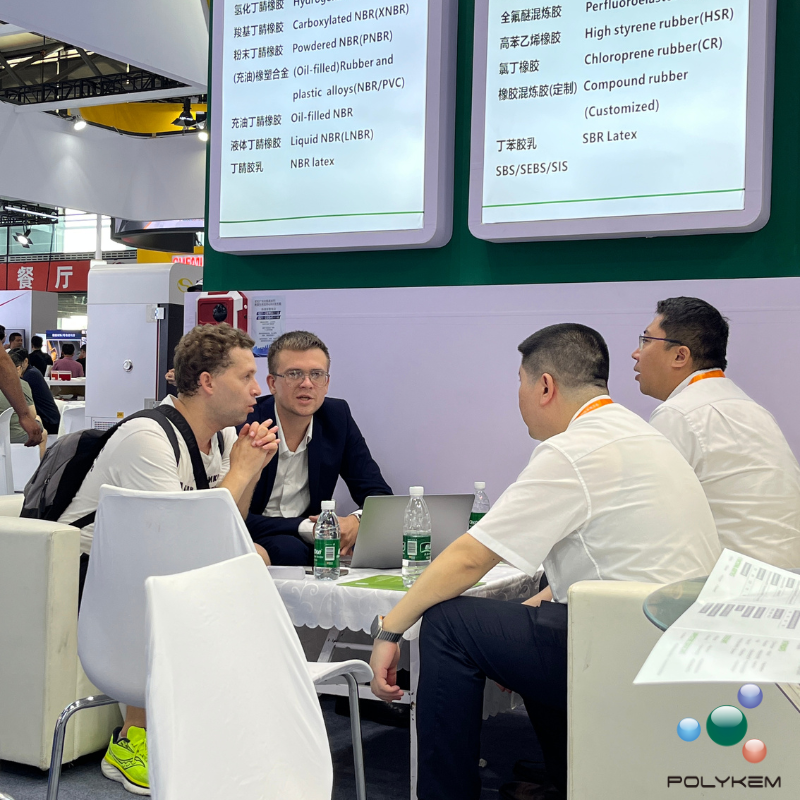
Proven Track Record
-
15+ years in the rubber industry and international trade
-
110 rubber raw materials supplied
-
Synthetic rubber exported to 40+ countries
-
700+ customers served across 100+ industries
-
29 product categories covering 115 products
Controlled Quality
-
Independent rubber testing laboratory for batch verification
-
Certified, established manufacturers under long-term partnerships
-
ISO 9001, SGS certification and REACH registration
-
Certificate numbers and issuing bodies available on request
Practical Technical Support
-
Grade matching based on application, temperature and contact medium
-
Technical guidance on ACN content, cure system and compound design
-
TDS, SDS and COA documentation with each shipment
Flexible Commercial Terms
-
Free samples for laboratory or production trials
-
OEM packaging and labeling arrangements
-
Order quantities from trial to bulk volume
-
Competitive pricing without sacrificing batch consistency
Reliable Delivery
-
Export documentation, shipment scheduling and delivery follow-up
-
Product manager response within 1 working day
-
Registered address verifiable through public business records
Packaging and Storage
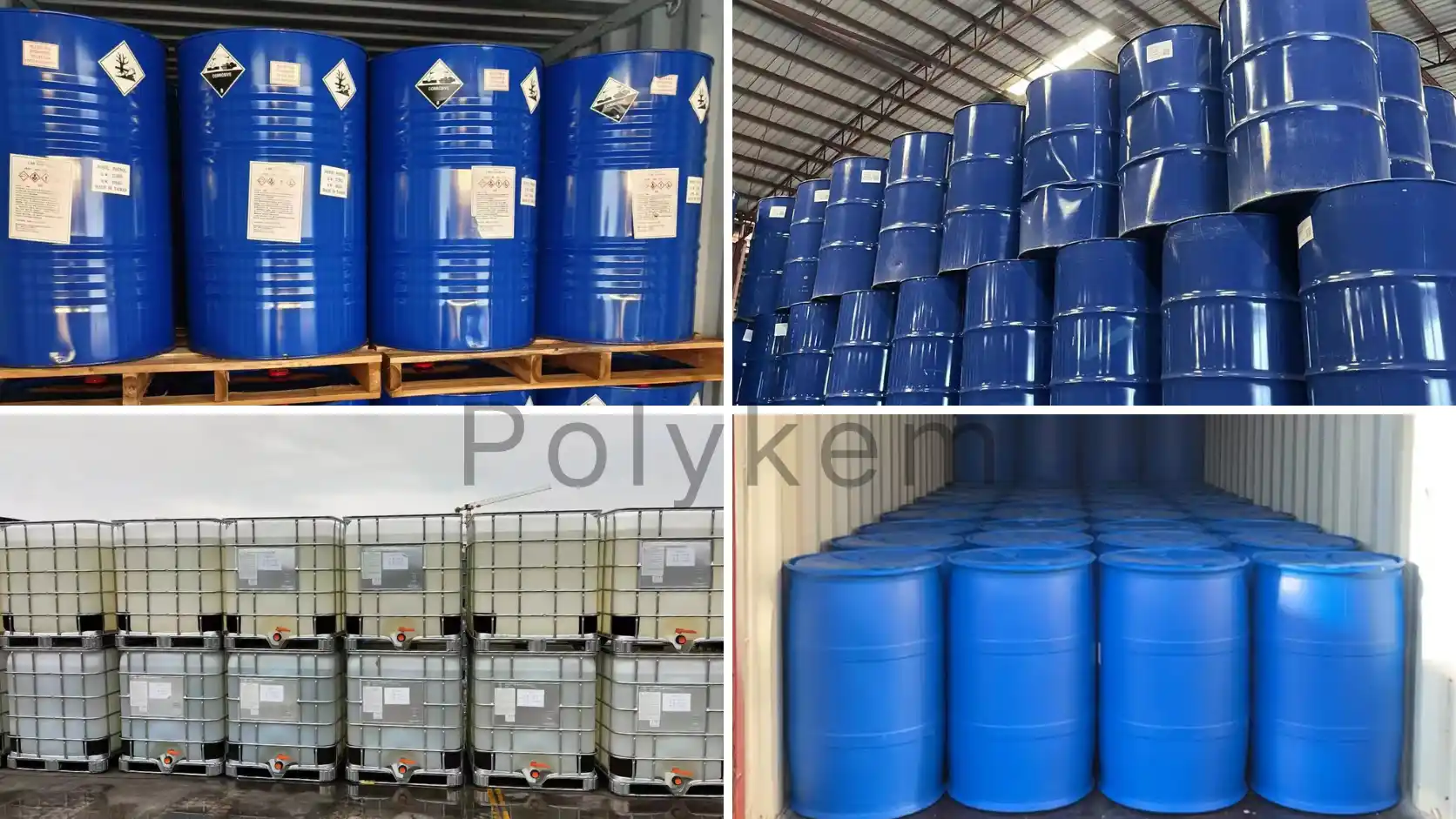
Packaging:
standard supply is 25 kg bales or polyethylene-lined bags; packaging may vary by grade and order requirements.
Storage:
store HNBR rubber in a cool, dry, well-ventilated place, away from direct sunlight, heat sources, ozone and strong oxidizing materials. Keep the original packaging sealed before use. Under proper storage conditions, shelf life is typically 2–3 years from the production date.
FAQ
Is Polykem a reliable supplier of Hydrogenated Nitrile Butadiene Rubber (HNBR) in China?
Polykem is a China-based supplier of chemicals and rubber materials, with export operations spanning Europe, the Middle East, and Southeast Asia. We provide comprehensive support to HNBR buyers, including grade selection guidance, sample arrangements, technical documentation, packaging coordination, and export delivery.
What is the Minimum Order Quantity (MOQ)?
The MOQ depends on the specific grade, packaging requirements, and order details. Please contact Polykem with information regarding your application, target purchase volume, and destination, and we will provide a suitable solution for you.
What is the typical lead time for delivery?
Lead times depend on grade availability, order quantity, packaging requirements, and shipping schedules. Please contact Polykem for current stock status and estimated delivery times.
How should HNBR rubber be stored?
Store in a cool, dry, and well-ventilated environment, away from direct sunlight, heat sources, ozone, and strong oxidizing agents. Keep the original packaging sealed until use. Under proper storage conditions, the product typically has a shelf life of 2–3 years from the date of manufacture.
What quality documentation can you provide?
Polykem adheres to the ISO 9001 quality management system standards. For HNBR shipments, we can provide a Certificate of Analysis (COA), Technical Data Sheet (TDS), and Safety Data Sheet (SDS) upon request.
How do I choose the right HNBR grade?
The choice of grade depends on factors such as acrylonitrile (ACN) content, Mooney viscosity, degree of hydrogenation, vulcanization system, operating temperature, and the specific types of oils, fuels, or fluids the material will come into contact with. Please share your application requirements with us, and we will work with you to determine the most suitable material solution.
What is the difference between HNBR rubber and standard Nitrile Butadiene Rubber (NBR)?
Standard NBR is more cost-effective and offers good oil resistance, making it suitable for a wide range of general-purpose components. Through the hydrogenation process, the stability, aging resistance, heat resistance, ozone resistance, and corrosion resistance of HNBR are significantly enhanced. The specific choice depends on factors such as operating temperature, the media the material will come into contact with, and the required service life of the finished component.
Can HNBR rubber serve as a substitute for fluoroelastomers (FKM) in certain applications?
In applications where cost control is a priority and the operating conditions do not require the extreme chemical or high-temperature resistance characteristic of FKM, HNBR may be a suitable alternative. The final selection should always be based on an assessment of the specific media, temperature, pressure, and service life requirements.
Does Polykem provide free samples of Hydrogenated Nitrile Butadiene Rubber (HNBR)?
Yes, we can provide free samples for your testing. The availability and quantity of samples will depend on the specific grade selected and your application requirements.
Does Polykem offer OEM packaging for Hydrogenated Nitrile Butadiene Rubber (HNBR)?
Yes. We can discuss OEM packaging and labeling options with you, taking into account the product grade, order quantity, and shipping requirements.