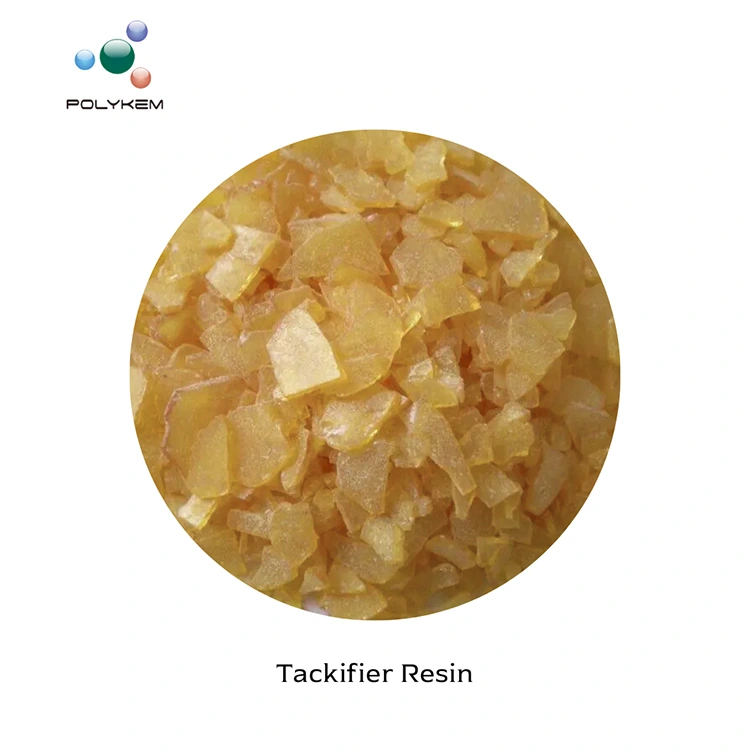
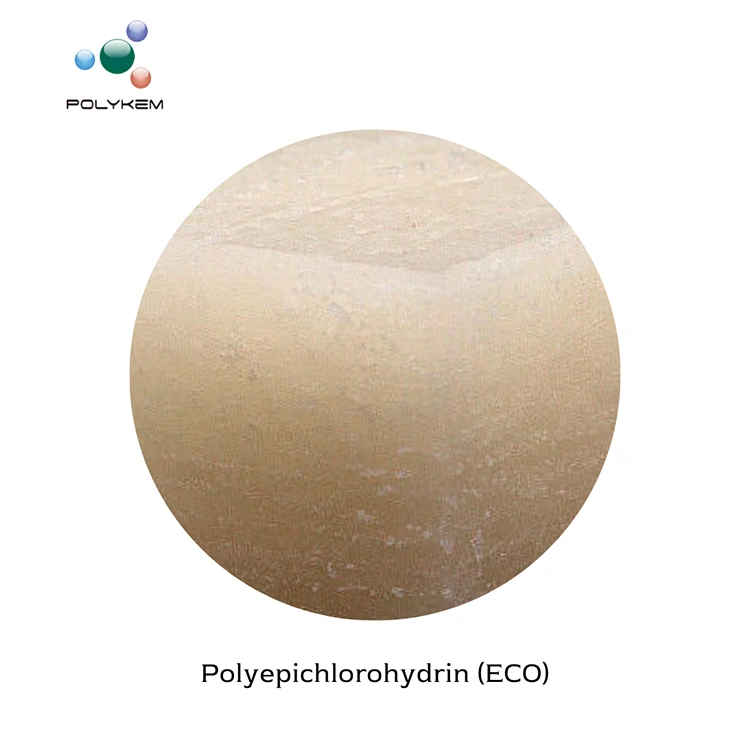
Polyepichlorohydrin
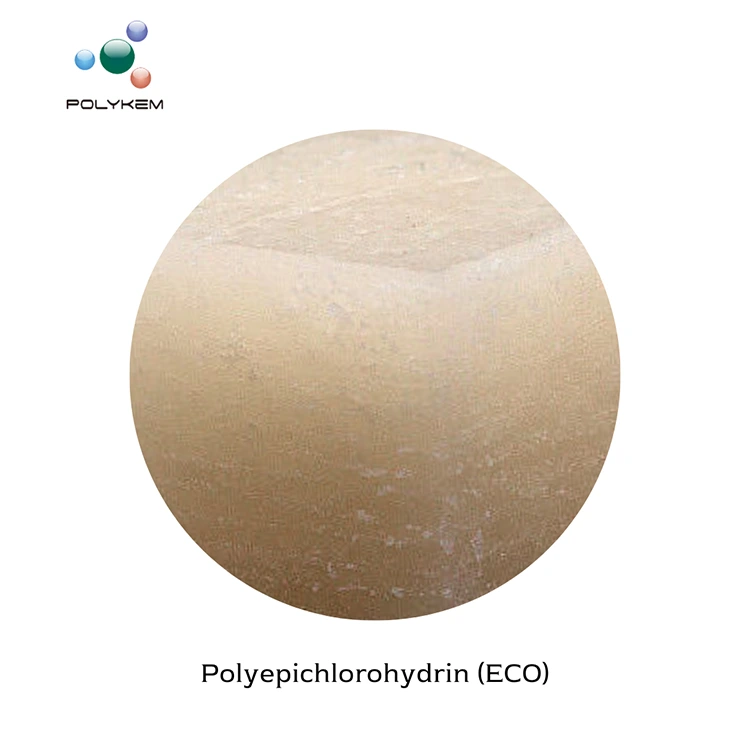
Polykem supplies Polyepichlorohydrin, commonly known as epichlorohydrin rubber (ECO), a specialty synthetic rubber offering a balance of oil and fuel resistance, heat and ozone resistance, low gas permeability and low-temperature flexibility. ECO rubber is used in automotive fuel hoses, seals, gaskets, rollers, diaphragms and other industrial components exposed to oils, fuels, heat and ozone.
Polykem supports customers from application review and grade selection to sample supply, technical documents and export delivery. Share your target application, operating temperature, contact medium, processing method or reference grade, and our team will identify a suitable ECO option and provide a quotation.
Key Performance Features
Oil and fuel resistance:
suitable for parts regularly exposed to lubricants, automotive oils or fuel. ECO vulcanizates show better swelling resistance in motor fuels than NBR.
Low gas permeability:
practical for fuel hoses, diaphragms, gaskets and other sealing parts.
Heat resistance: commonly used in components working under elevated temperatures. For 1000-hour exposures, the upper service temperature of ECO vulcanizates is approximately 135°C; short-term exposure may reach higher.
Ozone and weather resistance:
performs well in outdoor and automotive environments. The saturated main chain of ECO contributes to this resistance.
Low-temperature flexibility:
some grades remain flexible in colder conditions. ECO brittleness temperature is generally below -40°C, compared with approximately -23°C for CO homopolymer. Typical low-temperature service range starts at -40°C.
Vibration damping:
suitable for rollers, seals and moving rubber parts. ECO and ETER (epichlorohydrin terpolymer) exhibit damping properties resembling natural rubber vulcanizates.
Main Applications
Automotive Hoses
Fuel hoses, air hoses and other tubing components requiring oil and fuel resistance and low gas permeability. ECO is particularly suited to low-to-medium temperature fuel hose and liner applications.
Seals and Gaskets
Oil-resistant seals, gaskets, diaphragms and O-rings in contact with lubricants, fuels or elevated temperatures.
Industrial Rollers
Rollers, coated parts and moving rubber components requiring oil resistance, flexibility and vibration damping. ECO's semi-conductive properties also make it suitable for functional rollers in printers and copiers.
Vibration-Damping Components
Mounts, bushings and other parts exposed to repeated movement, vibration and heat.
Cable Applications
Selected grades may be considered for cable jackets and electrical rubber components. Suitability should be confirmed according to the application.
Industries Served
Polykem serves automotive, medical devices, aerospace, industrial sealing, construction and sporting goods manufacturing.
Grade Selection and Technical Considerations
Polykem supplies different Polyepichlorohydrin and ECO rubber grades for various processing and application requirements. Grades vary in polymer structure, viscosity, processing behavior, curing requirements and resistance performance.
Curing System: Peroxide vs. Sulfur
ECO is commonly peroxide-cured for standard compounds. Sulfur curing can improve flexibility in dynamic applications but may reduce heat resistance and compression set performance. The appropriate cure system depends on the end-use temperature and dynamic requirements.
Ethylene Oxide Content and Property Balance
ECO is a copolymer of epichlorohydrin and ethylene oxide. As ethylene oxide content increases, low-temperature flexibility and rebound resilience improve, while oil resistance and heat resistance may decline. The optimal balance depends on the application's temperature range and contact medium.
Common Selection Pitfall
Buyers sometimes attempt to directly substitute an NBR grade with ECO using the same compound formulation. This rarely works because ECO and NBR differ in curing systems, processing windows and compression set behavior. Grade matching should account for the full compound design, not only the base polymer.
Provide your target application, operating temperature, contact medium, processing method or reference grade. Our technical and sales teams will match a suitable grade accordingly.
ECO vs. NBR vs. HNBR: Quick Comparison
|
Property
|
ECO
|
NBR
|
HNBR
|
|
Oil resistance
|
Good
|
Good (depends on ACN content)
|
Good
|
|
Fuel resistance
|
Good
|
Moderate
|
Good
|
|
Low-temperature flexibility
|
Down to -40°C typical
|
Down to -50°C (compounded)
|
Down to -40°C
|
|
Upper continuous service temp
|
~135°C
|
~100°C
|
~150°C
|
|
Ozone resistance
|
Good
|
Poor without additives
|
Good
|
|
Gas permeability
|
Low
|
Moderate
|
Moderate
|
|
Relative cost
|
Moderate
|
Low
|
High
|
Selection guidance: NBR remains the economical choice for general oil-resistant seals and hoses at moderate temperatures. ECO is preferred when fuel resistance, low gas permeability and ozone resistance are needed together. HNBR suits higher-temperature or more demanding mechanical applications where ECO's compression set above 140°C becomes a limitation.
Supply and Service Support
Grade-matching support:
based on finished product, working temperature, contact medium, processing method and reference material.
Free samples:
available for laboratory evaluation, formulation trials or initial production testing. Availability and quantity depend on grade and application.
Technical and compliance documents:
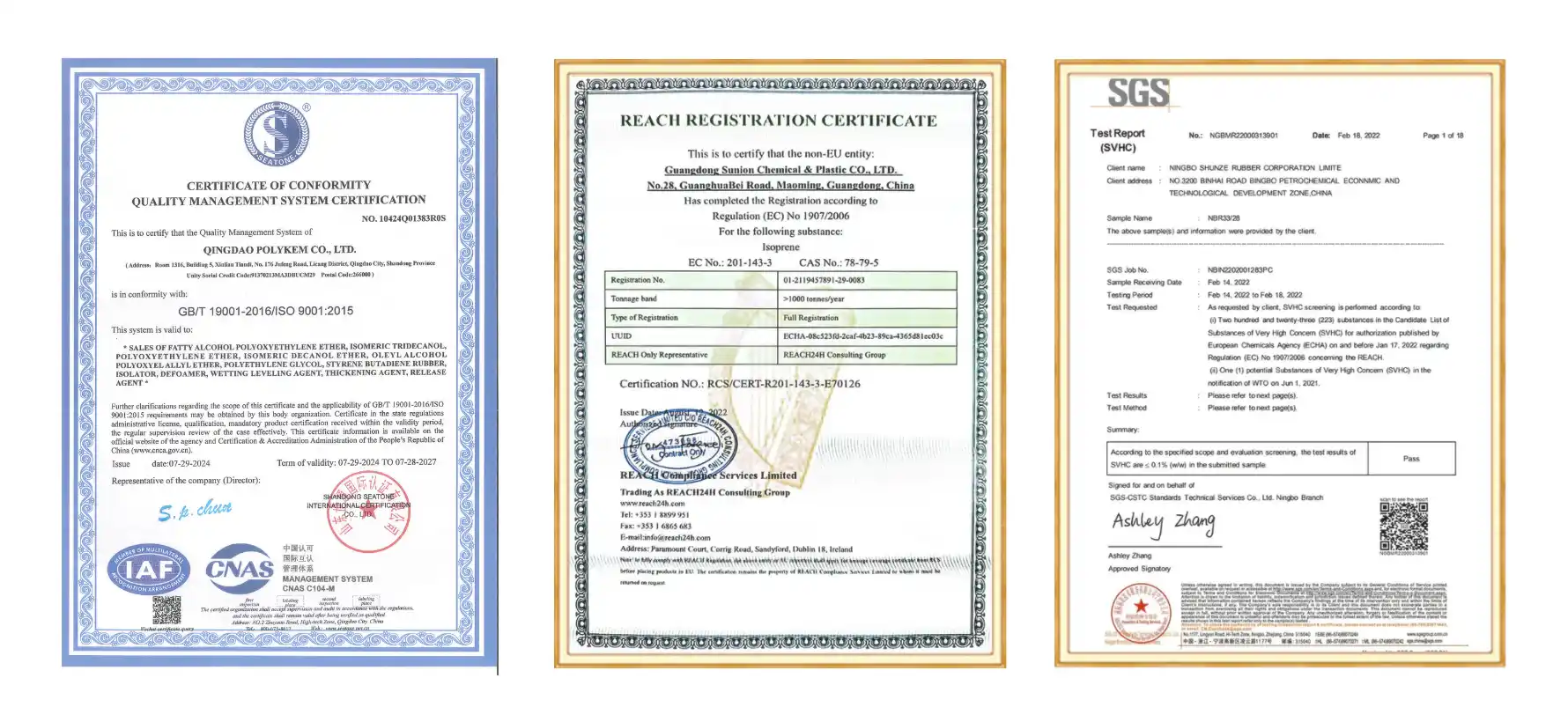
SDS, COA, TDS, ISO 9001 certificate and REACH-related documentation. Polykem holds SGS certification and REACH registration certification.
OEM and flexible orders:
packaging, labeling and order arrangements can be discussed. Options depend on grade, order quantity and transport conditions.
Trial, regular and bulk orders:
quotations, order confirmation, production coordination, export documentation, shipment scheduling and delivery follow-up are supported.
Response time:
product managers reply within 1 working day.
Packaging and Storage
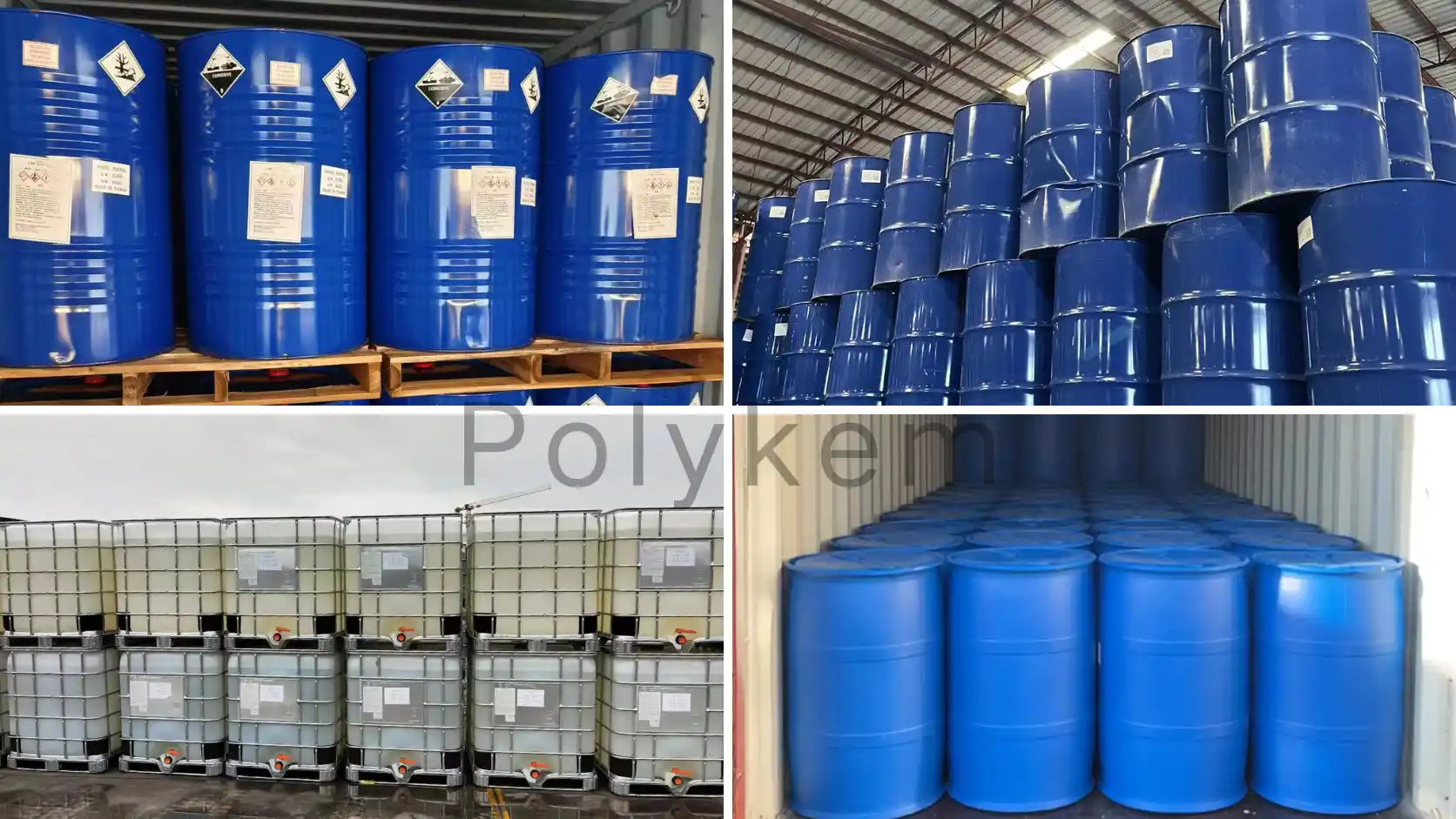
Packaging: typically 25 kg bales or polyethylene-lined bags; packaging may vary by grade and order requirements.
Storage:
1. Recommended temperature: 15–25°C
2. Keep away from direct sunlight and heat sources
3. Protect from moisture, ozone and strong oxidizing materials
4. Do not damage or open packaging before use
Company Profile
Qingdao Polykem Co., Ltd. has more than 15 years of experience in the rubber industry, offering 110 rubber raw materials and exporting synthetic rubber to more than 40 countries. The company has served more than 700 customers across more than 100 industries, with 29 categories and 115 products.
Polykem is a trading company and one-stop synthetic rubber supplier, operating in the import, export and distribution of rubber raw materials. The company works with certified manufacturers and maintains long-term partnerships, supported by an independent rubber testing laboratory.
Registered address: Xinlian Plaza, No.176 Jufeng Road, Licang District, Qingdao, Shandong, China. This address is verifiable through public business records.
Hot products include Chloroprene Rubber (CR), Nitrile Rubber (NBR), Hydrogenated NBR (HNBR), Styrene Butadiene Rubber (SBR), Polybutadiene Rubber (BR), Butyl Rubber (IIR) and rubber chemicals.
Certifications: Polykem holds ISO 9001, SGS certification and REACH registration. Certificate numbers and issuing bodies are available upon request.
FAQ
What is Polyepichlorohydrin rubber used for?
Automotive fuel hoses, seals, gaskets, diaphragms, O-rings, industrial rollers and vibration-damping components.
Is ECO rubber suitable for automotive fuel hoses?
Yes. It combines fuel resistance, low gas permeability and low-temperature flexibility. Grade selection depends on fuel type, operating temperature and processing requirements. ECO is best suited to low-to-medium temperature fuel hose applications rather than high-pressure, high-temperature connections.
What is the difference between ECO rubber and Nitrile Rubber (NBR)?
Both offer good oil resistance. NBR is used for general oil-resistant seals, hoses and industrial parts at lower cost. ECO is often selected when fuel resistance, low gas permeability, ozone resistance and low-temperature flexibility are required together. ECO also has better fuel swelling resistance than NBR. Polykem supplies both and can help compare.
Does Polykem provide different Polyepichlorohydrin grades?
Yes. Customers can provide a current brand, reference grade or target application for grade matching.
What is the standard packaging?
Typically 25 kg bales or polyethylene-lined bags. Packaging may vary by grade and order requirements.
Can Polykem provide samples and technical documents?
Yes. Samples, TDS, SDS and COA are provided according to grade and order requirements.
Is Polykem a trading company or a manufacturer?
Polykem is a trading company and one-stop synthetic rubber supplier, with a supply chain of 200+ rubber raw materials, certified manufacturer partners and its own testing laboratory.
What is the minimum order quantity?
MOQ varies by product. Share your requirements to discuss details with a sales manager.
Can Polykem provide customized product service?
Yes. Polykem's technical team provides technical support and customized solutions.
How do I get a complete product list or brochure?
Contact Polykem via website, email, social media or WhatsApp with your requirements.
Contact Polykem
Send your application, required quantity and destination to receive a suitable ECO rubber option, quotation, samples and technical documents.
Qingdao Polykem Co., Ltd.
Xinlian Plaza, No.176 Jufeng Road, Licang District, Qingdao, Shandong, China
15+ years in the rubber industry · 110 rubber raw materials · 40+ export countries · 700+ customers served · independent rubber testing laboratory · ISO 9001, SGS and REACH-related documentation
Product managers reply within 1 working day. Contact us!