Epichlorohydrin Rubber
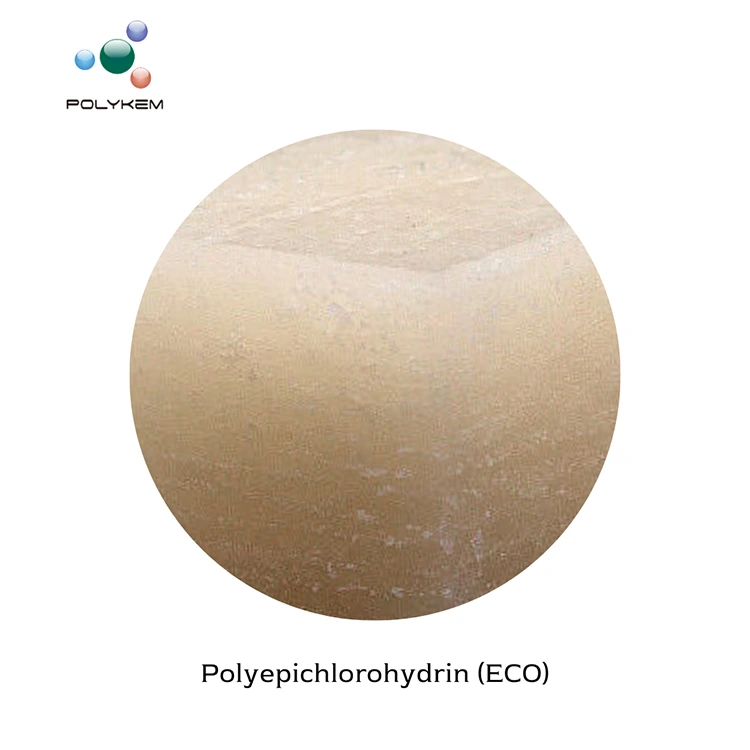
Polykem supplies epichlorohydrin rubber, commonly designated as ECO, for automotive fuel hoses, seals, gaskets, diaphragms, rollers and other industrial components exposed to oils, fuels, heat and ozone. ECO is a specialty synthetic rubber offering oil and fuel resistance, heat and ozone resistance, low gas permeability and low-temperature flexibility.
We manufacture and supply multiple grades and support customers from application review and grade selection through sample supply, technical documents and export delivery.
CO, ECO and GECO: Three Structures We Supply
Epichlorohydrin rubber is a family, not a single polymer. We work with three common structures, and the choice between them drives the rest of the grade selection.
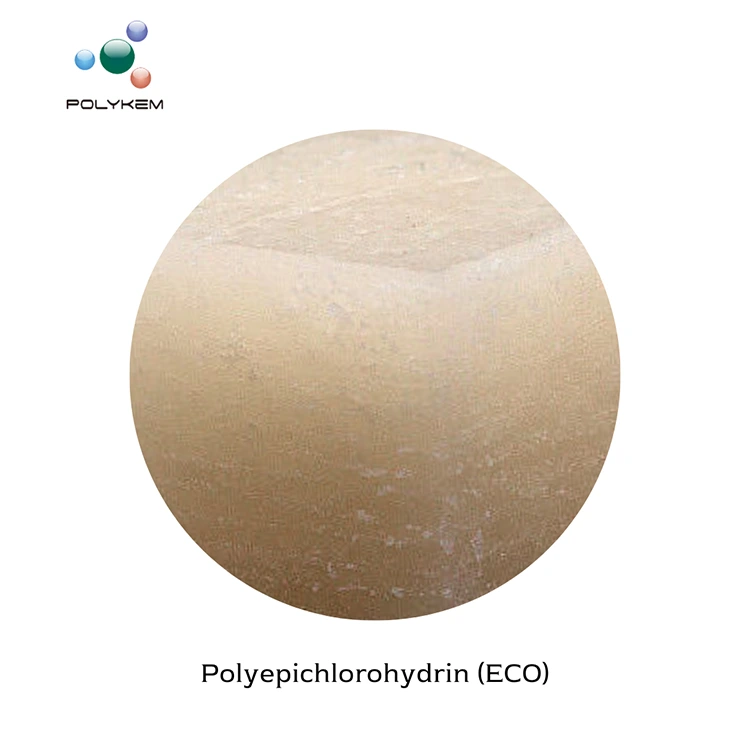
CO (homopolymer) is polyepichlorohydrin alone. It delivers the highest fuel and oil resistance in the family and the lowest gas permeability, but its low-temperature flexibility is limited. CO suits parts where solvent resistance outweighs cold-weather performance.
ECO (copolymer) combines epichlorohydrin with ethylene oxide. The EO content introduces low-temperature flexibility while preserving most of CO's oil and fuel resistance. This is the structure most often specified for automotive fuel hoses, seals and diaphragms.
GECO (terpolymer) adds allyl glycidyl ether to the ECO structure. The unsaturated side chain provides sulfur-cure sites and improves ozone resistance. GECO is also semi-conductive, which is why we supply it for functional rollers in printers and copiers.
Tell us the application and we will confirm which structure fits before narrowing to a grade.
Why the Molecular Structure Matters
Our rubber performance traces back to two structural features: a saturated main chain and polar chloromethyl side groups.
The saturated ether backbone contains no double bonds, so ozone and oxidation have little to attack. This is why our ECO resists weathering and heat aging better than diene rubbers such as NBR. The ether linkages rotate freely, giving the chain flexibility at low temperatures, and ECO enhances this through its EO content.
The chloromethyl side groups carry a polar chlorine atom. This polarity drives oil and fuel resistance and creates strong interchain attraction that reduces gas permeability. The same side group serves as a crosslinking site during vulcanization.
The combined result is a rubber that holds oil and fuel resistance, heat resistance, ozone resistance, low gas permeability and low-temperature flexibility in one material.
Performance Profile
Oil and Fuel Resistance
Our epichlorohydrin rubber handles lubricants, automotive oils and fuels without the swelling that affects many general-purpose rubbers. ECO grades are routinely used in fuel-system components with continuous contact with gasoline, diesel or blended fuels.
Low Gas Permeability
The polar chloromethyl groups restrict gas passage through the rubber. This suits fuel hoses, diaphragms and sealing parts where vapor loss or air permeation must be minimized.
Heat Resistance
ECO is commonly used in components operating under elevated temperatures. Actual limits depend on grade and compound formulation; continuous service in the 110–130°C range is reported for some coupling and hose applications.
Ozone and Weather Resistance
The saturated backbone resists ozone cracking and outdoor aging. Parts exposed to air, sunlight and environmental stress retain properties longer than NBR-based equivalents.
Low-Temperature Flexibility
ECO grades remain flexible in cold conditions. Some commercial ECO sheet products list continuous service down to -50°C, though the exact limit varies by compound.
Vibration Damping
Our epichlorohydrin rubber exhibits damping behavior that suits mounts, bushings and moving rubber parts. The combination of dynamic strength and damping supports use in flexible shaft couplings and vibration-isolation components.
Semi-Conductivity (GECO)
GECO terpolymers are inherently static-dissipative. This supports use in charge and developer rolls for laser printers and copiers, where controlled conductivity is required.
Main Applications
Automotive Fuel and Air Hoses
Fuel hoses, emission tubing, air ducts and other under-hood rubber components use our product for fuel resistance, low permeability and heat tolerance.
Seals, Gaskets and Diaphragms
Oil-resistant seals, gaskets, diaphragms and O-rings in contact with lubricants, fuels or elevated temperatures are common ECO applications.
Industrial Rollers and Coated Parts
Rollers, coated fabrics and moving rubber components use this rubber where oil resistance, flexibility and vibration damping are required. GECO grades extend into printing and copier rollers.
Vibration-Damping Components
Mounts, bushings and flexible couplings benefit from the dynamic properties of epichlorohydrin rubber, particularly where heat and oil are also present.
Cable and Electrical Components
Selected grades may suit cable jackets and electrical rubber parts requiring flexibility, weather resistance or specific electrical properties. Suitability is confirmed for each application.
Grade Selection and Technical Support
Grades differ in polymer structure, viscosity, processing behavior, curing requirements and resistance profile. Choosing between CO, ECO and GECO is the first decision; selecting the specific grade within that structure is the second.
Our technical and sales teams match grades against the finished product, working temperature, contact medium, processing method and any reference material already in use. Share your application details and we will propose a suitable option with quotation and product information.
Our Services and Factory Advantages
Manufacturing and Grade Coverage
-
Epichlorohydrin rubber supplied as CO, ECO and GECO structures
-
Multiple grades within each structure for different processing methods and resistance requirements
-
Grade matching based on finished product, working temperature, contact medium and reference material
-
Trial, regular and bulk order quantities supported
Quality Control
-
Independent testing laboratory for batch verification
-
Certified manufacturers under long-term partnerships
-
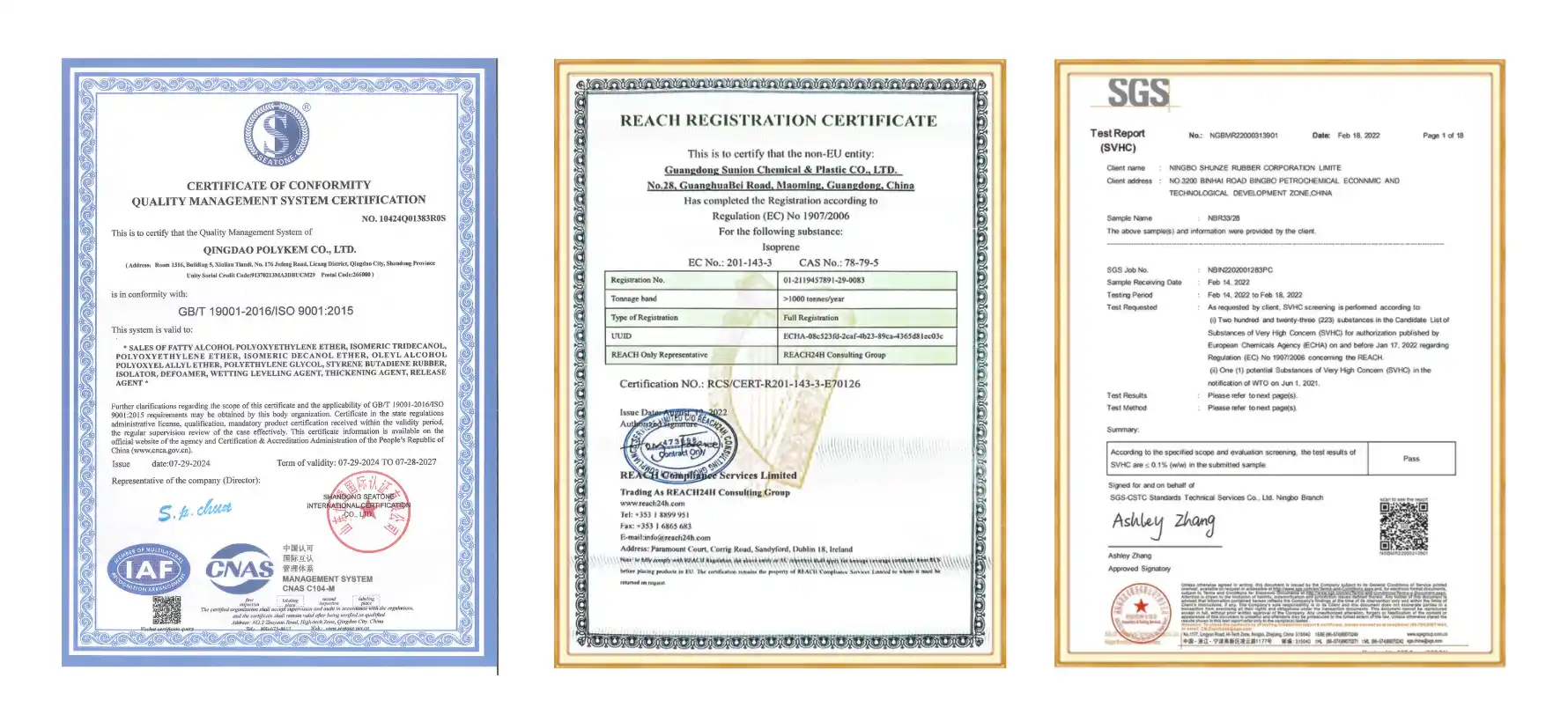
ISO 9001, SGS certification and REACH registration
-
Certificate numbers and issuing bodies available on request
-
SDS, COA and TDS provided with each shipment
Order and Packaging Flexibility
-
25 kg bales or polyethylene-lined bags as standard
-
OEM packaging, labeling and order arrangements discussed per requirement
-
Packaging options adjusted to grade, order quantity and transport conditions
-
Export documentation, shipment scheduling and delivery follow-up included
Technical Support
-
Application review before grade selection
-
Free samples for laboratory evaluation, formulation trials or initial production testing
-
Technical guidance on curing requirements, processing behavior and compound design
-
Product manager response within 1 working day
Supply Reliability
-
15+ years in the rubber and chemical industry
-
110 raw materials supplied
-
Exports to 40+ countries
-
700+ customers served across 100+ industries
-
Registered address: Xinlian Plaza, No.176 Jufeng Road, Licang District, Qingdao, Shandong, China
Packaging and Storage
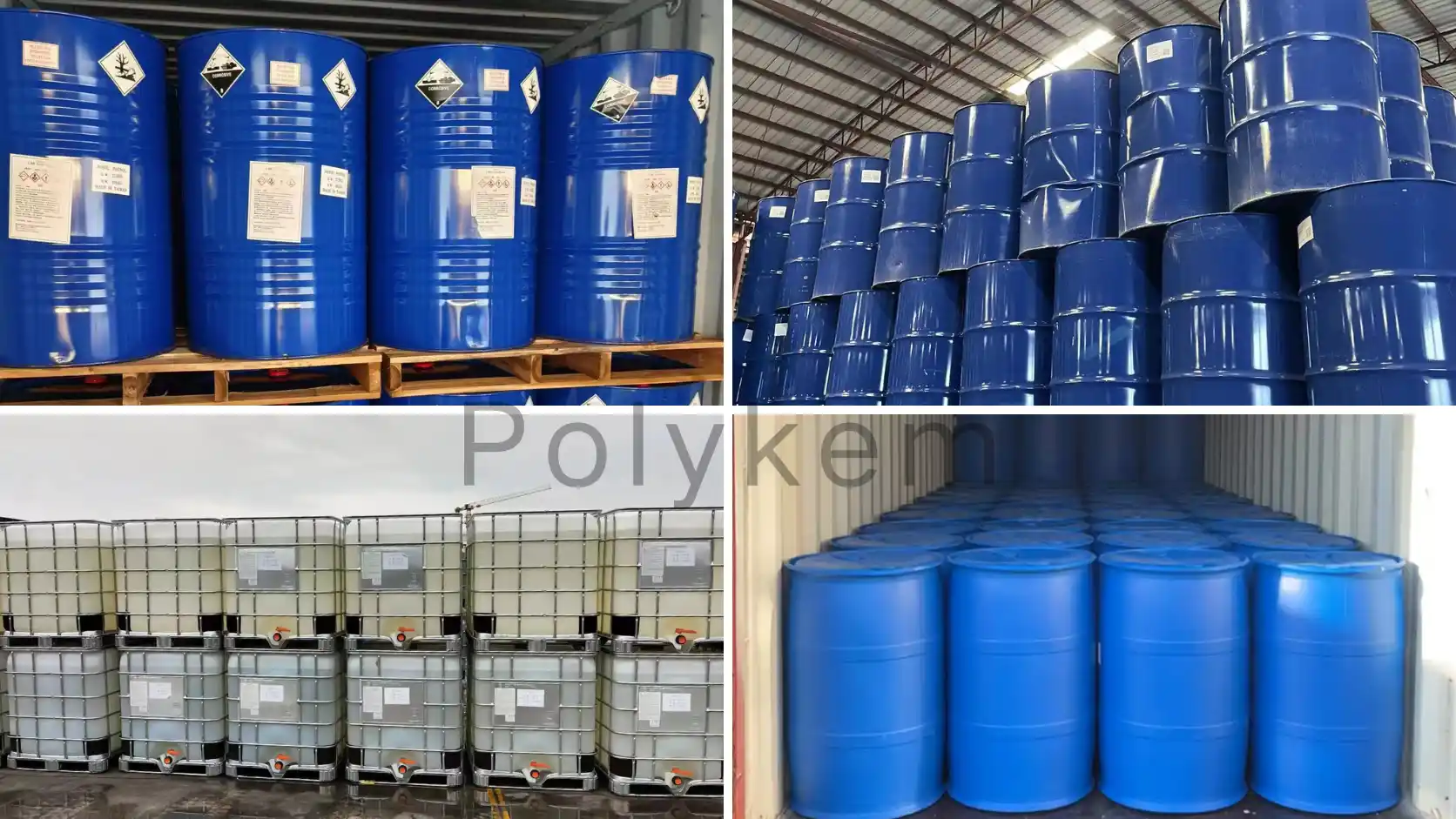
Packaging: typically 25 kg bales or polyethylene-lined bags; packaging may vary by grade and order requirements.
Storage: keep in original sealed packaging in a cool, dry, well-ventilated warehouse at 15–25°C. Keep away from direct sunlight, heat sources, moisture, ozone and strong oxidizing materials. Do not damage or open packaging before use.
FAQ
What is the difference between epichlorohydrin rubber and polyepichlorohydrin?
Polyepichlorohydrin is the base polymer (CO homopolymer). Epichlorohydrin rubber is the broader family, including CO, ECO copolymer and GECO terpolymer. We most commonly supply ECO for automotive and industrial sealing applications.
Is ECO rubber suitable for automotive fuel hoses?
Yes. ECO combines fuel resistance, low gas permeability and low-temperature flexibility. Grade selection depends on the fuel type, operating temperature and processing method.
How does epichlorohydrin rubber compare with NBR?
Both offer oil resistance. Epichlorohydrin rubber adds better heat aging, ozone resistance, fuel resistance and lower gas permeability, while NBR remains a lower-cost option for general oil-resistant parts. The choice depends on the service environment.
What is GECO used for?
GECO terpolymer offers sulfur-cure capability, improved ozone resistance and semi-conductive properties. We supply it for automotive parts and for functional rollers in printers and copiers.
Does Polykem provide different epichlorohydrin rubber grades?
Yes. We supply epichlorohydrin rubber options for different applications and processing requirements. Customers can provide a current brand, reference grade or target application for matching.
What is the standard packaging?
Typically 25 kg bales or polyethylene-lined bags. Packaging may vary by grade and order requirements.
Can Polykem provide samples and technical documents?
Yes. Samples, TDS, SDS and COA can be provided according to the selected grade and order requirements.