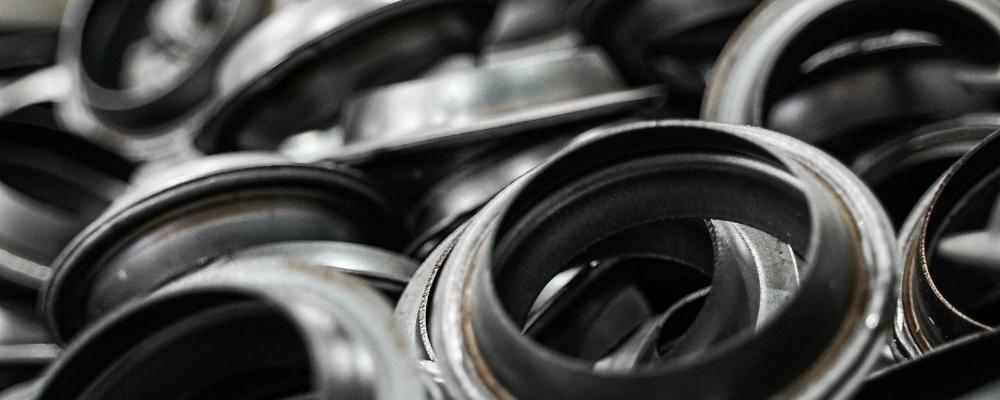
When an oil seal, O-ring, gasket or rubber hose fails too early, the problem is not always the processing method. In many cases, the rubber material was not matched to the real working environment from the beginning.
Oil type, temperature, pressure, service life, dynamic movement and cost target all affect material selection. A rubber part used in general oil-contact conditions may only need NBR. But if the same part works near an engine, under higher temperature or in a longer service-life system, HNBR may be a safer choice.
At Polykem, we usually suggest buyers look at the application first, not just the rubber name. NBR and HNBR are both nitrile-based rubber materials, but they are designed for different levels of oil resistance, heat resistance and long-term performance.
NBR Rubber: Cost-Effective Oil Resistance for General Applications
NBR, or Nitrile Butadiene Rubber, is often the first material to consider for oil-resistant seals, gaskets, O-rings and rubber hoses. It offers a practical balance of oil resistance, mechanical strength, processing performance and cost, which is why it is widely used in automotive parts, industrial molded products and hose applications.
Polykem recommends NBR for applications where the rubber part needs stable resistance to mineral oils, lubricants, greases or hydraulic fluids, but does not need to work continuously under very high temperature or severe aging conditions.
The advantage of NBR is clear: it is economical, easy to process and suitable for many general oil-contact rubber products. But it also has boundaries. If the final product must resist higher heat, ozone exposure, long-term aging or more aggressive fuel systems, standard NBR may not be enough.
Typical NBR rubber applications include:
For buyers, NBR selection should not stop at the product name. Acrylonitrile content, Mooney viscosity, hardness target, low-temperature flexibility and processing method can all affect the final performance of the rubber product. A higher acrylonitrile content usually improves oil resistance, while lower acrylonitrile grades may provide better flexibility at low temperature.
HNBR Rubber: For Higher Temperature and Longer Service Life
HNBR, or Hydrogenated Nitrile Butadiene Rubber, is usually selected when ordinary NBR cannot meet the working conditions. Through hydrogenation, HNBR keeps the oil and fuel resistance of nitrile rubber while improving heat resistance, aging resistance, ozone resistance and mechanical strength.
Polykem suggests HNBR for rubber parts used in more demanding environments, such as automotive engine areas, air conditioning hoses, fuel system components, oilfield rubber products and high-performance sealing systems.
Compared with NBR, HNBR is more suitable for applications that require longer service life, higher operating temperature or better resistance to aging and dynamic stress. It is usually not chosen only because it is “better,” but because the working conditions justify the higher material cost.
Typical HNBR rubber applications include:
HNBR is generally more expensive than NBR, so it is not always necessary for every oil-resistant product. But when early failure may lead to leakage, downtime, replacement cost or safety concerns, choosing HNBR at the beginning can be more economical than using a lower-cost material that cannot last.
NBR vs HNBR: A Buyer-Oriented Selection Logic
The choice between NBR and HNBR should be based on the actual working conditions of the final product.
If the product is used in general oil-contact environments and the main concerns are cost control, stable processing and practical oil resistance, NBR is usually a suitable choice.
If the product needs to work under higher temperature, longer aging conditions, stronger mechanical stress or more demanding automotive and industrial environments, HNBR should be considered.
For buyers, the key question is not simply “Which one has better performance?” A better question is:
Will standard NBR meet the required oil type, temperature range, service life and mechanical load, or will HNBR reduce the risk of early failure?
Polykem provides both NBR and HNBR materials, allowing customers to compare options based on oil resistance, heat resistance, processing behavior and cost target before making a purchasing decision.
Key Points to Confirm Before Sourcing NBR or HNBR
Before purchasing NBR rubber or HNBR rubber, buyers should usually confirm several technical and commercial points:
For hose manufacturers, oil and fuel compatibility may be the first concern. For seal and gasket producers, compression set, hardness, temperature resistance and dimensional stability may be more important. For automotive rubber parts, both material performance and long-term batch consistency need to be considered.
Polykem Synthetic Rubber Supply
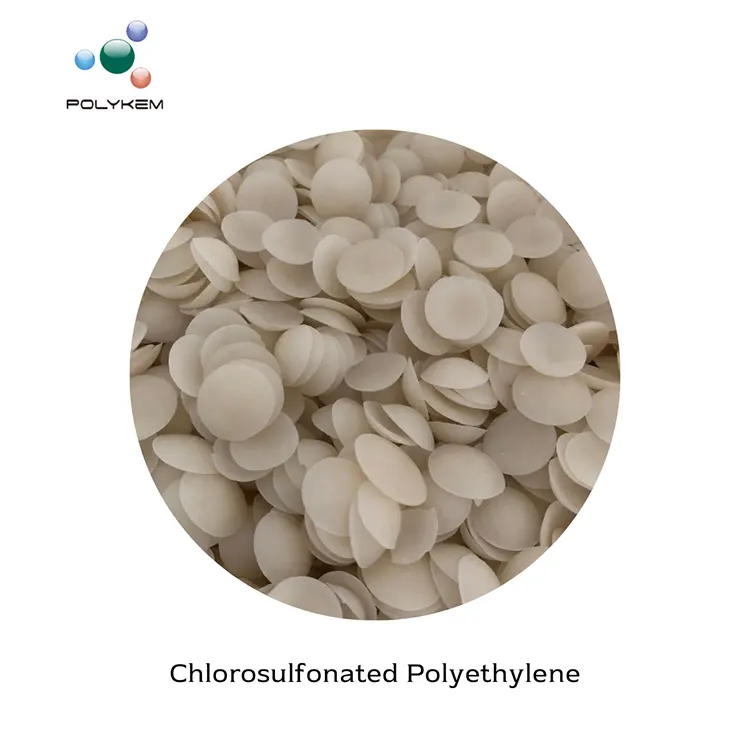
Polykem offers highly cost-effective synthetic rubber materials for oil-resistant and industrial rubber applications. Our product range includes Chloroprene Rubber, Nitrile Butadiene Rubber, Hydrogenated Nitrile Rubber, Styrene Butadiene Rubber, Polybutadiene Rubber, Nitrile Rubber Latex, Chlorosulfonated Polyethylene, Liquid Nitrile Rubber, Rubber-Plastic Alloy, Acrylate Rubber, Polyepichlorohydrin and Compound Rubber.
View our product page to explore available materials, or contact Polykem today for the latest quotation on NBR, HNBR and other industrial rubber products.