News

Phenoxyethanol 99.9% for Personal Care: Purity, Free Phenol and Application Considerations

2026-08-21 0 Leave me a message


Preservatives generally account for only a small proportion of a cosmetic formulation, yet their quality can influence the odor, color and stability of the finished product. Buyers sourcing phenoxyethanol for cosmetics therefore tend to consider more than the headline assay. Free phenol, water content, appearance and batch consistency may also form part of the material approval process.


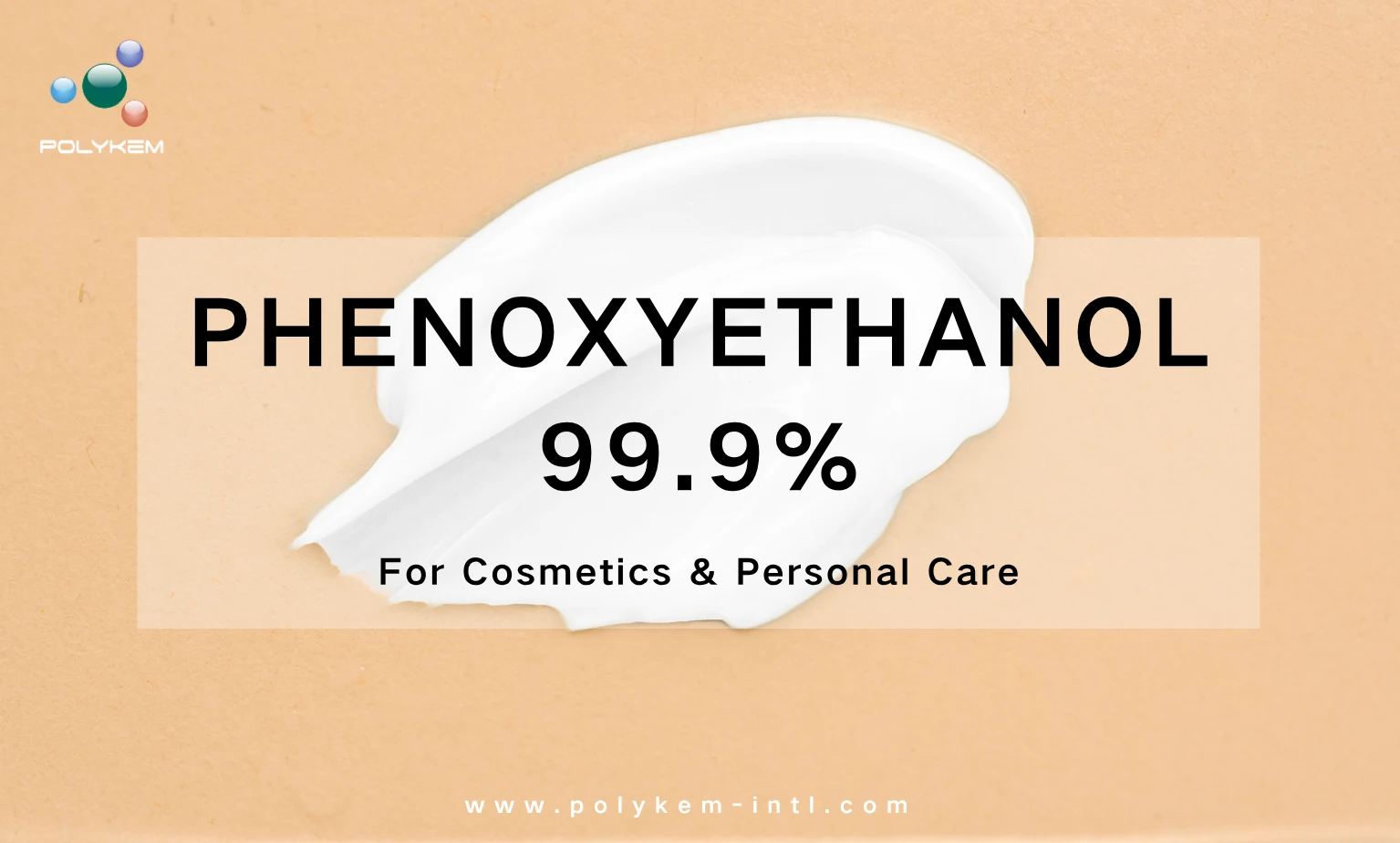
Polykem supplies Phenoxyethanol 99.9% for cosmetics, personal care and related applications. The product has an assay of at least 99.9%, with free phenol controlled to no more than 5 ppm.


Purity and Free Phenol Control


Phenoxyethanol is manufactured through chemical synthesis followed by purification. Differences in raw materials, reaction control and refining conditions can result in variations between commercial grades, even when the products share the same chemical identity and CAS number.


Assay indicates the proportion of phenoxyethanol in the material. Free phenol is measured separately and provides additional information about impurity control. Reviewing both values gives quality and purchasing teams a more complete basis for comparing products and monitoring subsequent batches.


Low free-phenol content is particularly relevant to pale-colored, lightly fragranced and leave-on products. In these applications, variations in the odor or color of a raw material may be more noticeable than they would be in a strongly fragranced or deeply colored formulation.


The term “cosmetic grade phenoxyethanol” is widely used in the market, but it does not represent one identical specification across all suppliers. Product evaluation should therefore be based on the current specification and batch Certificate of Analysis rather than the grade description alone.


Uses in Personal Care


Phenoxyethanol is used in both leave-on and rinse-off personal care products. Common applications include:Facial creams and body lotionsSerums and other skincare productsShampoos and conditionersBody washes and facial cleansersHand washes and other water-based personal care productsIts principal function in these products is preservation. Phenoxyethanol helps control microbial growth during storage and normal use, supporting the intended shelf life of the finished product.


The material has relatively low volatility and a mild odor. These properties are beneficial in products where the preservative should have limited influence on fragrance, appearance or sensory characteristics.


Phenoxyethanol can be incorporated into emulsions, surfactant-based cleansers and various other water-containing systems. This application flexibility has contributed to its continued use across skincare, haircare and cleansing products.


Antimicrobial Profile


Phenoxyethanol is recognized primarily for its antibacterial activity and can perform across the pH range commonly encountered in many personal care products. Its activity against yeasts and molds is generally less pronounced than its activity against bacteria.


For products requiring broader microbial protection, phenoxyethanol may be combined with ethylhexylglycerin, caprylyl glycol, organic acids or other preservative ingredients. These combinations allow the preservation system to address a wider range of microorganisms.


Phenoxyethanol is neither a paraben nor a formaldehyde-releasing preservative. It is therefore frequently considered for products developed without these preservative types. Any related finished-product claim must still be assessed against the complete ingredient list and the labeling requirements of the destination market.


A raw-material assay of 99.9% confirms the purity of the phenoxyethanol itself. It does not establish the effectiveness of the complete preservative system in every finished product. Product composition, pH, water activity, packaging and manufacturing conditions can all influence preservation requirements.


Low-Temperature Crystallization and Handling


Phenoxyethanol is normally supplied as a clear, colorless liquid. Its melting point is approximately 11–13°C, so its physical appearance may change during winter transportation or storage in a cold warehouse.


At low temperatures, the material may become cloudy, form crystals or partially solidify. This is generally a reversible physical change and does not necessarily indicate deterioration.


Controlled warming and gentle mixing can normally return the material to a clear liquid state. Direct or excessive heating should be avoided, and handling should follow the current safety data sheet and supplier instructions. If the material does not recover its normal appearance after appropriate warming, the relevant batch information should be reviewed with the supplier before use.


Supply and Documentation


Polykem supplies Phenoxyethanol 99.9% with free phenol controlled to no more than 5 ppm. Current specifications, batch COAs, TDS and SDS documents are available for customer evaluation.


As a China-based phenoxyethanol supplier, Polykem supports sample evaluation and commercial export orders. Application, target specification, order quantity and destination can be confirmed during the inquiry stage.


Permitted concentrations and labeling requirements vary between markets. Customers should confirm the appropriate use level and applicable regulations for their finished products before commercial production.


To request a sample, product specification or quotation, please contact Polykem.


Related News
Leave me a message
X
We use cookies to offer you a better browsing experience, analyze site traffic and personalize content. By using this site, you agree to our use of cookies.Privacy Policy
RejectAccept