News

How Does Liquid Styrene Butadiene Rubber Improve Industrial Formulation and Processing Performance?

2026-11-19 0 Leave me a message

Article Summary

Liquid Styrene Butadiene Rubber (LSBR) is a low-molecular-weight synthetic rubber based on styrene and butadiene. Unlike conventional solid SBR, its liquid form offers good flowability and processing convenience, making it a useful material for adhesives, sealants, coatings, rubber modification, and selected asphalt applications.

For manufacturers, selecting the right liquid rubber is not simply a matter of comparing prices or viscosity. Compatibility with resins, tackifiers, fillers, oils, and other formulation ingredients can directly affect bonding performance, flexibility, film properties, and production efficiency. This guide explains how Liquid Styrene Butadiene Rubber works, where it is used, how to evaluate its properties, and what industrial buyers should consider when sourcing LSBR from a reliable supplier.

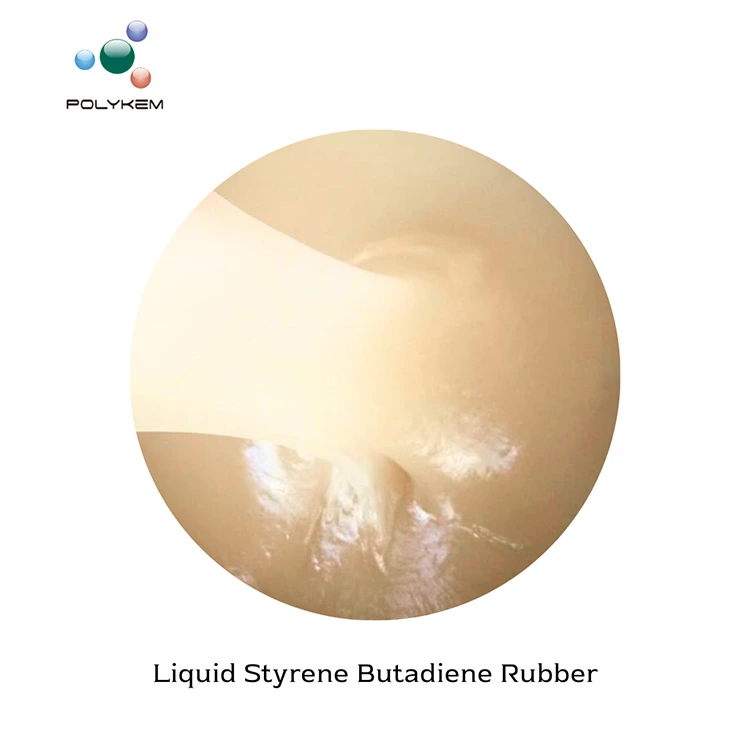
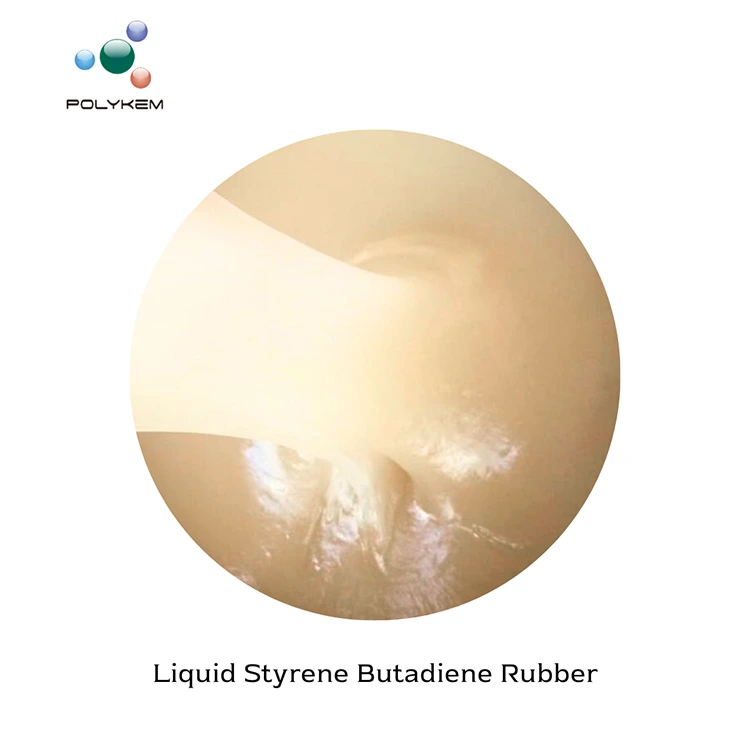
Liquid Styrene Butadiene Rubber


1. What Is Liquid Styrene Butadiene Rubber?

Liquid Styrene Butadiene Rubber, commonly abbreviated as LSBR or Liquid SBR, is a synthetic elastomer produced from styrene and butadiene. It is a low-molecular-weight polymer that remains in a liquid or viscous state under suitable ambient conditions, depending on its molecular structure and grade.

Conventional Styrene Butadiene Rubber (SBR) is generally supplied as solid rubber. Liquid SBR, by contrast, can be pumped, blended, and incorporated into certain formulations more easily. This difference gives manufacturers additional flexibility when developing adhesives, sealants, coatings, rubber compounds, and other polymer-based materials.

The balance between styrene and butadiene influences the material's characteristics. Styrene contributes to hardness and strength-related properties, while butadiene contributes to rubber-like flexibility and elasticity. Molecular weight and polymer architecture also affect viscosity, flow behavior, and compatibility with other formulation ingredients.

Why Is the Liquid Form Important?

Many industrial formulations require a polymer modifier that can be incorporated without the intensive mastication or mixing often associated with solid rubber. Liquid SBR can help simplify blending and improve the distribution of rubber components in suitable systems.

It is particularly useful when a formulation requires a combination of:

  • Improved flowability during processing.
  • Rubber-like flexibility in the finished material.
  • Adhesion support in selected bonding systems.
  • Compatibility with appropriate resins, oils, and additives.
  • Flexible modification of polymer-based formulations.
Key takeaway: Liquid SBR is not simply solid SBR in a different physical form. Its molecular weight, viscosity, styrene content, and formulation compatibility determine how it performs in specific industrial applications.

2. How Is Liquid SBR Different from Conventional Solid SBR?

Both Liquid SBR and conventional solid SBR are based on styrene and butadiene chemistry, but their physical forms and processing characteristics are different. Understanding these differences helps manufacturers select the right material for their production requirements.

Comparison Factor Liquid SBR Conventional Solid SBR
Physical Form Liquid or viscous liquid Solid rubber
Molecular Weight Generally lower Generally higher
Processing Can be easier to pump and blend Usually requires solid rubber mixing equipment
Formulation Role Modifier, binder component, or flexible polymer ingredient Primary elastomer or major rubber compound component
Handling May require liquid-compatible pumps and containers Typically handled as bales or solid material
Typical Uses Adhesives, sealants, coatings, rubber modification Tires, footwear, hoses, belts, and general rubber products

Processing Efficiency

Solid rubber often needs to be softened and mechanically mixed before it can be distributed evenly throughout a compound. Liquid SBR can reduce some of these handling steps in formulations designed for liquid polymer ingredients.

Formulation Flexibility

Because it can be blended into compatible liquid or semi-liquid systems, LSBR provides additional options for adjusting viscosity, flexibility, bonding behavior, and other performance characteristics.

Important Selection Difference

Liquid SBR is not automatically a replacement for solid SBR. A manufacturer must consider the final product's required tensile strength, elongation, hardness, elasticity, curing behavior, and processing conditions before changing the polymer system.

3. How Does Liquid Styrene Butadiene Rubber Work in Formulations?

Liquid Styrene Butadiene Rubber works as a polymer component or modifier in industrial formulations. Its role depends on the surrounding ingredients and the manufacturing process.

3.1 Polymer Blending

LSBR can be blended with compatible polymers to adjust the overall behavior of a formulation. Its rubber-like structure may help improve flexibility and reduce brittleness in selected systems.

However, compatibility is not guaranteed across all polymer combinations. Differences in polarity, molecular structure, and solubility behavior can influence phase stability and final performance.

3.2 Interaction with Tackifying Resins

In adhesive formulations, tackifying resins can help improve initial tack, peel adhesion, and bonding characteristics. Liquid SBR may act as a flexible polymer component, while the resin contributes to the adhesive's bonding behavior.

The final result depends on the resin chemistry, polymer ratio, softening characteristics, and application conditions.

3.3 Incorporation of Fillers and Additives

Fillers, plasticizers, antioxidants, and other additives may be incorporated into LSBR-based systems. Proper dispersion is important because uneven distribution can affect viscosity, film uniformity, mechanical strength, and long-term stability.

3.4 Film Formation and Flexibility

In selected coating and sealant systems, Liquid SBR can contribute to a flexible polymer phase. This may help reduce brittleness and improve the ability of the finished material to accommodate movement or deformation.

Formulation principle: LSBR performance is determined by the complete formulation, not by the polymer alone. Resin selection, filler loading, plasticizer content, compatibility, and curing conditions must be evaluated together.

4. Key Properties and Performance Advantages

Liquid Styrene Butadiene Rubber offers several characteristics that make it useful in polymer modification and industrial formulation. The actual performance depends on the selected grade and its application conditions.

01. Good Flowability

Its liquid form supports convenient transfer, blending, and incorporation into suitable manufacturing systems.

02. Processing Convenience

Can simplify material handling compared with solid rubber in formulations designed for liquid polymer ingredients.

03. Adhesion Support

Can contribute to bonding performance in compatible adhesive and sealant formulations.

04. Flexibility Improvement

Helps introduce rubber-like flexibility into selected coatings, sealants, and polymer systems.

05. Formulation Compatibility

Can be combined with selected resins, oils, fillers, and other polymer components after compatibility evaluation.

06. Modification Versatility

Suitable for exploring performance improvements in adhesives, coatings, rubber products, and asphalt systems.

What Determines the Final Performance?

Several material and processing factors influence the properties of an LSBR-based formulation:

  • Styrene content: Influences the balance between stiffness-related and rubber-like characteristics.
  • Molecular weight: Affects viscosity, processing behavior, and polymer contribution to the finished product.
  • Viscosity: Influences pumping, mixing, dispensing, and application performance.
  • Compatibility: Determines whether LSBR can be uniformly incorporated into other ingredients.
  • Formulation ratio: Influences the final balance of flexibility, adhesion, and mechanical properties.

For this reason, buyers should request the technical data sheet for the exact grade instead of relying on general descriptions of Liquid SBR.

5. Major Industrial Applications of Liquid SBR

Liquid SBR is used in applications where manufacturers need a processable rubber-based polymer component. Its liquid form and formulation flexibility make it relevant to several industrial sectors.

5.1 Adhesives and Sealants

Adhesives and sealants are important application areas for Liquid Styrene Butadiene Rubber. In compatible formulations, LSBR can contribute flexibility and support bonding performance.

It may be considered in construction adhesives, pressure-sensitive adhesive systems, flexible bonding materials, and selected sealing compounds.

For adhesive manufacturers, the main challenge is balancing initial tack, peel strength, cohesive strength, flexibility, and resistance to environmental exposure. LSBR should therefore be tested together with the selected tackifier resin and other formulation ingredients.

5.2 Coatings and Protective Films

Some coating formulations require a flexible polymer component to reduce brittleness and improve film behavior. Liquid SBR can be considered as a modifier in compatible systems.

It may contribute to film flexibility and deformation resistance, although the final coating performance also depends on the binder system, substrate, film thickness, drying conditions, and additives.

5.3 Rubber Modification

Liquid SBR can be incorporated into selected rubber formulations to adjust processing behavior and final material properties.

For rubber product manufacturers, its liquid form may help improve ingredient distribution and provide additional formulation flexibility. Testing is necessary to confirm its effect on hardness, tensile properties, elongation, and wear behavior.

5.4 Asphalt Modification

Polymer modification is used in certain asphalt systems to improve performance characteristics. Liquid SBR may be evaluated as a rubber-based modifier where compatibility with the asphalt binder and processing conditions is suitable.

Important evaluation factors include storage stability, mixing temperature, polymer dispersion, viscosity changes, and the performance of the final asphalt mixture.

5.5 Construction Materials

Construction materials such as flexible bonding compounds, sealants, and selected protective formulations may benefit from rubber-based polymer modification.

Liquid SBR can be considered when the formulation requires improved flexibility or bonding characteristics, provided that the material is compatible with the complete system.

Industry Potential LSBR Function Key Performance Considerations
Adhesives Flexible polymer component Tack, peel adhesion, cohesion, and compatibility
Sealants Flexibility and polymer modification Elastic recovery, adhesion, and movement capability
Coatings Film modification Flexibility, film integrity, and substrate adhesion
Rubber Products Rubber compound modification Hardness, tensile strength, and processing behavior
Asphalt Polymer modification Compatibility, storage stability, and temperature performance
Construction Materials Flexible polymer ingredient Bonding, durability, and environmental resistance

6. How to Select the Right Liquid SBR Grade

Different LSBR grades can have different viscosities, styrene contents, molecular structures, and performance characteristics. Choosing the wrong grade may result in poor mixing, unstable formulations, or finished products that fail to meet the required specifications.

6.1 Identify the Intended Application

Start by defining the end use. An adhesive manufacturer may prioritize tack and peel adhesion, while a coating producer may focus on film flexibility and compatibility with the binder system.

6.2 Confirm Viscosity Requirements

Viscosity affects material transfer, pumping, mixing, and dispensing. A grade with unsuitable viscosity may create processing difficulties or require changes to the production equipment.

Always compare viscosity values measured at the same temperature and using comparable test methods.

6.3 Evaluate Styrene Content

Styrene content influences the balance of properties in the polymer. Buyers should compare the actual technical specifications and conduct application testing rather than assuming that a higher or lower styrene content is always better.

6.4 Check Compatibility with Other Ingredients

Compatibility testing should include the major resins, oils, fillers, plasticizers, and other polymers used in the formulation. Visual uniformity, viscosity changes, phase separation, and storage stability should be monitored.

6.5 Review Processing Conditions

Consider mixing temperature, mixing time, equipment type, addition sequence, and any curing or drying requirements. These conditions can affect the dispersion and final properties of the LSBR-containing system.

Selection Factor What to Check Why It Matters
Application Adhesives, coatings, sealants, rubber, or asphalt Defines the required functional properties.
Viscosity Value and test temperature Determines handling and processing behavior.
Styrene Content Grade-specific composition data Influences the polymer property balance.
Molecular Weight Available molecular weight information Affects flow and polymer contribution.
Compatibility Resins, oils, fillers, and other polymers Helps prevent phase separation and instability.
Quality Documentation TDS, SDS, and COA Supports technical review and batch acceptance.
Practical recommendation: Before purchasing large quantities, obtain a representative sample and evaluate it in the actual production formulation. A grade that performs well in one adhesive or coating system may behave differently in another.

7. Formulation and Processing Considerations

Good processing practices are essential to achieving consistent results with Liquid Styrene Butadiene Rubber. Even when the material is suitable for the target application, poor blending or incorrect formulation design can reduce performance.

7.1 Prepare the Raw Materials

Check that all raw materials are clean, properly identified, and within their specified storage conditions. Review the technical data sheets and safety data sheets before production.

7.2 Establish a Controlled Addition Sequence

The order in which ingredients are introduced can affect dispersion and compatibility. In many liquid formulation systems, the polymer is incorporated under controlled mixing conditions before selected additives and fillers are fully dispersed.

The exact addition sequence should be developed through laboratory testing and adjusted to the requirements of the formulation.

7.3 Control Mixing Temperature

Temperature influences viscosity and material flow. Excessive heating may accelerate oxidation or affect sensitive formulation components, while insufficient temperature may make mixing more difficult.

Use the temperature range recommended for the selected grade and the complete formulation.

7.4 Monitor Mixing Uniformity

Observe the appearance and consistency of the blend. Unexpected lumps, separation, or abnormal viscosity changes may indicate poor dispersion or incompatibility.

7.5 Test the Finished Formulation

Evaluate the finished material against application-specific performance requirements. Depending on the intended use, relevant tests may include:

  • Viscosity and flow behavior.
  • Initial tack and peel adhesion.
  • Tensile strength and elongation.
  • Hardness and flexibility.
  • Film formation and surface appearance.
  • Storage stability and phase separation.
  • Temperature and aging resistance.
Formulation note: There is no universal LSBR dosage or mixing recipe suitable for every application. The appropriate addition level must be determined through laboratory trials, performance testing, and production-scale validation.

8. Common Application Problems and Solutions

Manufacturers may encounter formulation problems when introducing Liquid SBR into an existing production system. Most issues can be investigated by reviewing the raw material specifications, compatibility, mixing conditions, and finished-product test results.

Problem Possible Cause Recommended Action
Excessive Formulation Viscosity High polymer concentration, unsuitable grade, or poor compatibility. Review the grade, mixing ratio, and compatible formulation components.
Phase Separation Incompatibility between LSBR and resins, oils, or other polymers. Conduct compatibility screening and evaluate alternative ingredients.
Insufficient Adhesion Incorrect resin balance or unsuitable polymer combination. Evaluate tackifier selection, polymer ratio, and substrate compatibility.
Poor Film Flexibility Unsuitable polymer balance or excessive rigid ingredients. Review the binder system and optimize the formulation through testing.
Uneven Dispersion Inadequate mixing, incorrect addition sequence, or poor filler wetting. Optimize mixing speed, time, temperature, and addition sequence.
Inconsistent Batch Performance Raw material variation or uncontrolled processing conditions. Review incoming COAs, batch records, and production parameters.
Storage Instability Unsuitable storage conditions or formulation incompatibility. Check storage recommendations and conduct stability testing.

One important point is that increasing the LSBR addition level does not necessarily improve every property. Excessive polymer content may increase viscosity, change mechanical behavior, or negatively affect the balance between adhesion and cohesion.

9. Storage, Handling, and Quality Control

Proper storage and handling help maintain material consistency and reduce production risks. Since Liquid SBR is supplied in liquid or viscous form, its packaging, transfer equipment, and storage conditions should be appropriate for the selected product grade.

9.1 Storage Recommendations

  • Store the material in its original, properly sealed packaging.
  • Follow the temperature and storage conditions stated in the supplier's technical documentation.
  • Protect the product from excessive heat and direct sunlight where required.
  • Avoid contamination from water, dust, and incompatible chemicals.
  • Use clean and compatible transfer equipment.
  • Follow the recommended shelf life and first-in, first-out inventory practice.

9.2 Safe Handling

Handling requirements depend on the exact LSBR grade and its formulation. Always review the current Safety Data Sheet before opening, transferring, or processing the material.

Appropriate personal protective equipment, workplace ventilation, spill-control procedures, and chemical handling practices should be established according to the supplier's safety documentation and applicable regulations.

9.3 Quality Control Before Production

Incoming inspection is important for manufacturers that depend on stable raw material performance. A suitable quality control process may include:

  • Appearance and physical condition checks.
  • Viscosity verification using the specified test method.
  • Review of batch identification and packaging condition.
  • Comparison with the supplier's Certificate of Analysis.
  • Small-scale formulation and compatibility testing when necessary.

Qingdao Polykem Co., Ltd. highlights its independent rubber testing laboratory and batch quality inspection support. Buyers can request the relevant technical documentation to evaluate material suitability before placing production orders.

10. What Should Buyers Check Before Purchasing?

For industrial procurement teams, purchasing Liquid Styrene Butadiene Rubber involves balancing technical performance, supply stability, packaging, and total production costs.

Confirm the Product Grade

Do not purchase based on the general name Liquid SBR alone. Different grades may have different viscosity ranges, polymer compositions, and application characteristics.

Request Technical Documents

Ask the supplier for the relevant Technical Data Sheet (TDS), Safety Data Sheet (SDS), and Certificate of Analysis (COA). These documents help buyers review specifications, handling requirements, and batch quality information.

Evaluate Sample Performance

Test the product in the intended formulation before approving a bulk order. This is especially important when changing suppliers or introducing LSBR into an established production process.

Check Packaging and Logistics

Liquid SBR may be supplied in drums, IBC tanks, or other suitable packaging depending on the grade and order requirements. Confirm packaging compatibility, net weight, loading arrangements, and transportation conditions.

Assess Supply Reliability

For continuous production, consistent raw material supply is essential. Buyers should understand the supplier's sourcing arrangements, batch documentation, delivery lead times, and communication process.

Industrial purchasing checklist:
  • Confirm the exact LSBR grade and intended application.
  • Review viscosity and available polymer specifications.
  • Request TDS, SDS, and COA documentation.
  • Evaluate sample compatibility and finished-product performance.
  • Confirm packaging and storage requirements.
  • Discuss minimum order quantity and delivery schedule.
  • Verify quality inspection and after-sales support.

11. Why Work with Qingdao Polykem Co., Ltd.?

Choosing a suitable raw material supplier is an important part of maintaining stable production. Manufacturers need more than a product quotation; they also need accurate product information, reliable sourcing, documentation, and responsive technical communication.

Qingdao Polykem Co., Ltd. has more than 15 years of experience in the rubber industry and supplies a broad range of synthetic rubber and rubber-related raw materials to international customers.

The company's product portfolio includes Styrene Butadiene Rubber (SBR), Liquid Styrene Butadiene Rubber, Nitrile Rubber (NBR), Hydrogenated Nitrile Butadiene Rubber (HNBR), Chloroprene Rubber (CR), Polybutadiene Rubber (BR), Butyl Rubber (IIR), and other polymer materials and rubber chemicals.

Product Selection Support

Different applications require different polymer characteristics. Polykem can communicate with buyers about intended applications, technical requirements, and suitable material options to support purchasing decisions.

Quality Control and Documentation

Polykem reports having an independent rubber testing laboratory and quality inspection procedures. Relevant documentation, including technical data and batch information, can help buyers evaluate incoming materials.

International Supply Experience

With synthetic rubber exports to more than 40 countries, Polykem has experience serving customers in different markets and industrial sectors.

Multiple Industry Applications

Its rubber material portfolio serves applications involving tires, hoses, belts, seals, adhesives, sealants, coatings, construction materials, and other industrial products.

For buyers looking for Liquid Styrene Butadiene Rubber, working with a supplier that understands different rubber material categories can make product evaluation and procurement communication more efficient.

12. Frequently Asked Questions

Q1. What is Liquid Styrene Butadiene Rubber used for?

Liquid Styrene Butadiene Rubber is used in adhesives, sealants, coatings, rubber modification, construction materials, and selected asphalt modification systems. It is suitable for formulations that require a liquid rubber-based polymer component.

Q2. What is the difference between Liquid SBR and solid SBR?

Liquid SBR generally has a lower molecular weight and is supplied in liquid or viscous form, while conventional SBR is usually supplied as solid rubber. Liquid SBR can offer easier pumping and blending in compatible formulations.

Q3. Does Liquid SBR improve adhesive performance?

It can contribute flexibility and support bonding performance in suitable adhesive formulations. Actual results depend on the tackifying resin, polymer ratio, substrate, and processing conditions.

Q4. Can Liquid Styrene Butadiene Rubber be used in coatings?

Yes. It can be considered as a polymer modifier in compatible coating systems, where it may help improve film flexibility and reduce brittleness. Compatibility and film performance should be tested before production.

Q5. Is Liquid SBR compatible with other resins?

Compatibility depends on the specific LSBR grade and resin chemistry. Laboratory blending tests are recommended to evaluate uniformity, viscosity changes, phase stability, and final performance.

Q6. Which factors affect Liquid SBR viscosity?

Important factors include molecular weight, polymer composition, temperature, and grade-specific molecular structure. Viscosity should always be compared using consistent test conditions.

Q7. Can Liquid SBR be used for asphalt modification?

It may be evaluated in selected asphalt modification systems. Buyers should assess polymer compatibility, mixing conditions, storage stability, and the mechanical performance of the final asphalt material.

Q8. How should Liquid Styrene Butadiene Rubber be stored?

Store it in suitable sealed packaging and follow the supplier's recommended temperature, shelf life, and handling conditions. Protect the material from contamination and unsuitable environmental exposure.

Q9. What documents should be requested when purchasing Liquid SBR?

Buyers should request a Technical Data Sheet, Safety Data Sheet, and Certificate of Analysis. These documents help verify material specifications, safe handling requirements, and batch information.

Q10. How can buyers select the right Liquid SBR grade?

Start with the intended application, then evaluate viscosity, styrene content, molecular weight information, compatibility, and processing conditions. Sample testing in the actual formulation is recommended before bulk purchasing.

Q11. Is Liquid SBR suitable for large-scale industrial production?

Yes, provided that the selected grade meets the formulation and production requirements. Buyers should verify supply consistency, packaging suitability, quality documentation, and processing compatibility.

Q12. Can Qingdao Polykem Co., Ltd. provide Liquid SBR supply support?

Qingdao Polykem Co., Ltd. offers Liquid Styrene Butadiene Rubber and other synthetic rubber materials. Buyers can contact the company with their application, grade, quantity, and technical requirements to discuss product information and supply arrangements.

Conclusion: Making Liquid SBR Work for Your Formulation

Liquid Styrene Butadiene Rubber is a versatile synthetic rubber material that offers useful processing and formulation advantages in selected industrial applications. Its liquid form supports convenient blending, while its polymer characteristics can contribute to flexibility, adhesion, and modification performance.

From adhesives and sealants to coatings, rubber products, construction materials, and selected asphalt systems, LSBR provides manufacturers with additional options for developing application-specific formulations.

However, successful application depends on choosing the correct grade and understanding how it interacts with other ingredients. Viscosity, styrene content, molecular weight, compatibility, mixing conditions, and finished-product testing should all be considered before production.

For industrial buyers seeking dependable synthetic rubber sourcing and product information, Qingdao Polykem Co., Ltd. offers a range of rubber materials, quality control support, and international supply experience to help meet different procurement requirements.

Looking for a Reliable Liquid SBR Supplier?

Qingdao Polykem Co., Ltd. supplies Liquid Styrene Butadiene Rubber and a wide range of synthetic rubber materials for industrial applications.

Whether you manufacture adhesives, sealants, coatings, rubber products, or construction materials, our team can help you explore suitable material options according to your application and purchasing requirements.

Contact us today to request product specifications, technical documentation, samples, and a quotation. Share your application details and let us help you find a suitable Liquid SBR solution for your business.

Contact Us
Related News
Leave me a message
X
We use cookies to offer you a better browsing experience, analyze site traffic and personalize content. By using this site, you agree to our use of cookies. Privacy Policy
RejectAccept