Liquid Styrene Butadiene Rubber is a versatile liquid polymer used in industrial formulations where flexibility, adhesion, elasticity, and controlled processing are important. Its molecular structure combines styrene and butadiene units, offering formulators opportunities to adjust mechanical behavior and compatibility with other ingredients. This article explains how the material works, what properties influence its performance, where it is commonly considered, and what manufacturers should evaluate before selecting a grade. It also discusses storage, handling, and quality considerations that help reduce formulation problems and improve production consistency.
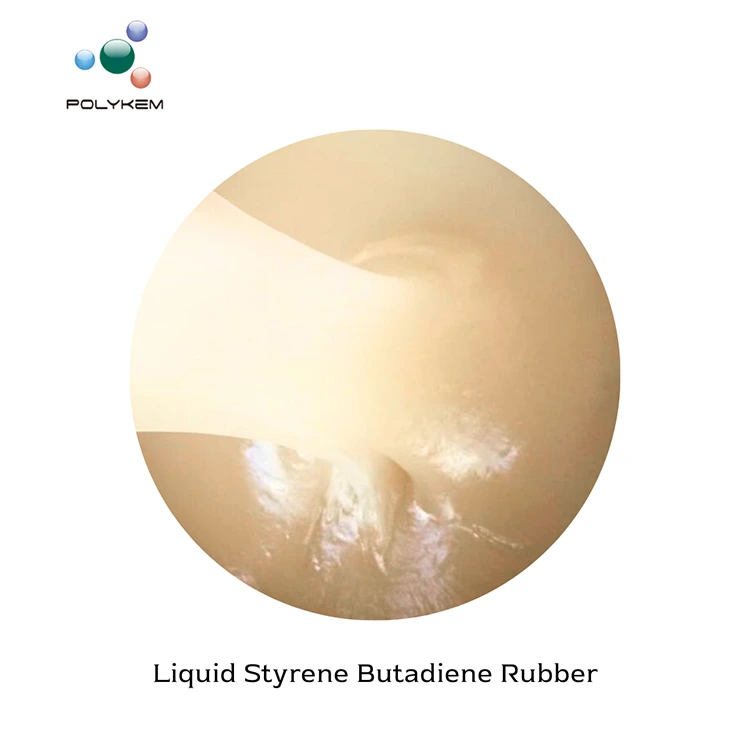
1. Introduction to Liquid Styrene Butadiene Rubber
Industrial manufacturers often need polymer materials that can provide rubber-like flexibility while remaining practical to incorporate into liquid formulations. Solid elastomers may require additional mixing, milling, heating, or dissolution steps before they can be used in a production process. Liquid polymers offer another approach by allowing the material to be metered and blended more directly.
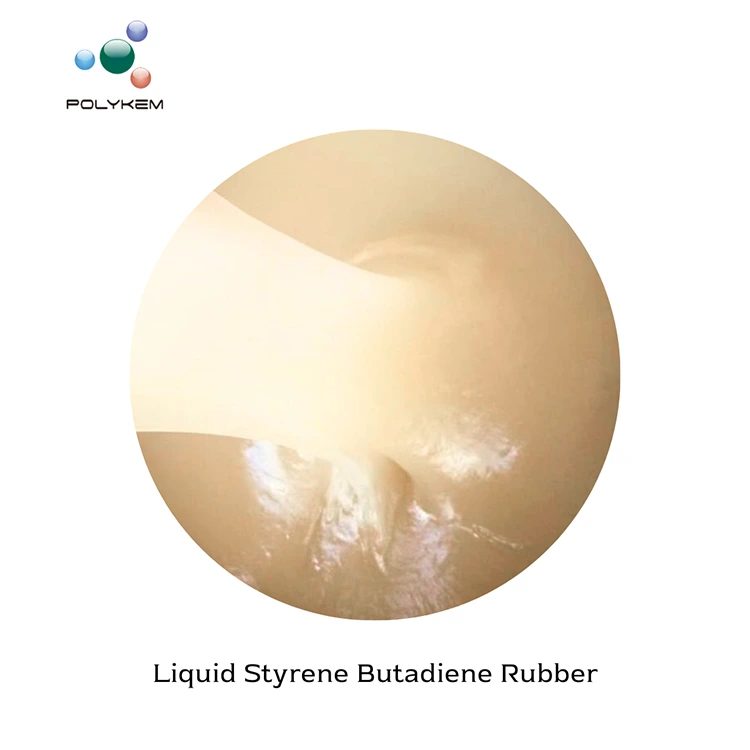
Liquid Styrene Butadiene Rubber, commonly abbreviated as liquid SBR or LSBR, is a synthetic polymer based on styrene and butadiene. Depending on its molecular design and grade, it can contribute elasticity, flexibility, tack, and other useful properties to a finished formulation.
The material is not a single universal product with identical performance across every supplier. Molecular weight, styrene content, viscosity, functional groups, and other formulation characteristics can differ. These differences influence how the polymer behaves during mixing, curing, bonding, and final use.
For manufacturers, understanding these variables is more useful than selecting a material based only on its general name. The right grade should be evaluated against the processing conditions and performance requirements of the final product.
2. Chemical Structure and Material Characteristics
Styrene and butadiene are the two principal monomer components associated with SBR. Styrene contributes rigidity and influences hardness, while butadiene provides flexibility and rubber-like behavior. The balance between these components helps determine the polymer's overall characteristics.
2.1 The Role of Styrene
Styrene units generally increase the stiffness of the polymer and can influence its strength, hardness, and thermal behavior. A higher styrene proportion may produce a material with a different balance of rigidity and elasticity compared with a grade containing more butadiene.
2.2 The Role of Butadiene
Butadiene contributes the flexible segments that give SBR its elastomeric character. Its structure affects resilience, low-temperature behavior, and the way the polymer responds to repeated deformation. The exact outcome depends on polymer architecture and other formulation variables.
2.3 Why the Liquid Form Matters
Unlike conventional solid SBR, liquid grades are designed to have a flowable consistency under specified conditions. This can simplify metering, blending, and incorporation into selected resin, adhesive, coating, or rubber formulations. However, liquid consistency does not mean every grade has the same viscosity or is compatible with every formulation.
Some grades may also contain functional groups or be designed for particular curing systems. These features can influence adhesion, chemical interaction, and compatibility with other ingredients. Product-specific technical data is therefore essential.
3. How Its Properties Influence Industrial Performance
The performance of Liquid Styrene Butadiene Rubber depends on the interaction of several material properties. Evaluating them together helps manufacturers predict whether a particular grade can meet the requirements of a production process.
3.1 Viscosity and Processability
Viscosity affects pumping, dosing, mixing, and the uniform distribution of the polymer. A lower-viscosity grade may be easier to incorporate into certain liquid systems, while a higher-viscosity grade may be more suitable for formulations that require a different balance of body and flow. The ideal value depends on equipment, temperature, mixing speed, and the other components in the formulation.
3.2 Elasticity and Flexibility
Elastomeric behavior is important when a finished material must deform and recover without cracking or losing its intended function. Liquid SBR can contribute flexibility to suitable formulations, but the final result is also influenced by curing conditions, fillers, plasticizers, and polymer compatibility.
3.3 Adhesion and Compatibility
In selected systems, liquid SBR can help modify tack or support bonding performance. Its contribution depends on the substrate, formulation chemistry, surface preparation, and curing method. A laboratory adhesion test is more reliable than assuming that the polymer will bond equally well to every surface.
3.4 Mechanical and Environmental Resistance
Mechanical strength, abrasion behavior, heat resistance, and resistance to oils or chemicals should be assessed in the context of the finished formulation. These characteristics cannot be determined from the polymer name alone. Manufacturers should consult the grade's technical documentation and test the actual compound under expected service conditions.
4. Key Benefits for Industrial Formulations
When correctly matched to a formulation, Liquid Styrene Butadiene Rubber can offer several practical advantages:
- Convenient incorporation: Its liquid form can simplify dosing and blending in compatible manufacturing systems.
- Formulation flexibility: Different grades allow formulators to adjust viscosity, elasticity, and other performance characteristics.
- Potential adhesion modification: Selected grades may contribute to tack or bonding behavior in suitable systems.
- Elasticity adjustment: The polymer can help modify flexibility and deformation recovery in compatible compounds.
- Process integration: Liquid delivery may reduce the need for certain preliminary steps associated with solid elastomers.
These benefits are formulation-dependent. A liquid polymer does not automatically improve every compound, and excessive addition can change hardness, cure behavior, flow, or final mechanical properties. Controlled trials are important before moving to full-scale production.
5. Common Industrial Applications
Liquid SBR may be considered in a range of industrial formulations. The suitability of a specific grade depends on its chemistry and the requirements of the application.
5.1 Adhesives and Sealants
Some liquid SBR grades are used in adhesive and sealant formulations to modify flexibility, tack, or cohesive behavior. Performance depends on the adhesive system, substrate type, environmental exposure, and the required bonding strength. Testing should include both initial adhesion and long-term performance where relevant.
5.2 Rubber Compounds
Liquid grades may be incorporated into selected rubber compounds to adjust processing characteristics or modify the properties of the final elastomer. Compound designers need to consider the base rubber, filler loading, curing system, and compatibility of all ingredients.
5.3 Coatings and Protective Formulations
In compatible coating systems, liquid SBR may contribute film flexibility or modify the behavior of the binder. The final coating must be assessed for adhesion, film formation, drying behavior, water exposure, and durability under the intended service conditions.
5.4 Construction and Specialty Materials
Selected polymer-modified construction formulations may use SBR-based materials to adjust flexibility, bonding, or other performance characteristics. The exact grade and formulation must be matched to the substrate, application method, curing environment, and relevant project specifications.
6. Comparison with Other Rubber Materials
Choosing between liquid SBR and other elastomers requires more than comparing product names. Each polymer family has its own chemical structure, processing behavior, and performance profile.
| Material | General Characteristics | Selection Consideration |
|---|---|---|
| Liquid SBR | Flowable styrene-butadiene polymer with grade-dependent elasticity and viscosity | Useful when liquid processing and SBR-based properties are required |
| Solid SBR | Conventional solid elastomer used in many rubber compounds | Consider mixing equipment, processing steps, and compound design |
| Liquid Polybutadiene | Butadiene-based liquid polymer with a different balance of properties | Compare molecular structure, curing behavior, and compatibility |
| Liquid Polyisoprene | Liquid elastomer based on isoprene chemistry | Evaluate resilience, formulation needs, and application requirements |
No material is universally superior. The most appropriate choice depends on the required mechanical properties, processing equipment, chemical environment, cost target, and finished-product specifications.
7. Important Grade Selection Factors
Before purchasing Liquid Styrene Butadiene Rubber, manufacturers should define the technical requirements of the application. This reduces the risk of selecting a grade that is difficult to process or produces inconsistent results.
- Viscosity range: Confirm that the material can be handled by the existing pumping, mixing, and dosing equipment.
- Styrene content: Review how the polymer composition may affect stiffness and flexibility.
- Molecular weight: Consider its influence on viscosity, flow, and the properties of the final formulation.
- Functional characteristics: Check whether the grade is modified or designed for a particular curing or bonding system.
- Compatibility: Confirm its suitability with the base polymer, resin, solvent, fillers, and additives.
- Technical consistency: Request current specifications, batch information, and relevant quality documentation.
- Supply requirements: Evaluate packaging, delivery conditions, production capacity, and continuity of supply.
8. Processing and Formulation Considerations
Good processing practices help manufacturers obtain consistent results from liquid polymer materials. Before production, confirm the recommended temperature range, mixing sequence, and handling instructions supplied for the selected grade.
8.1 Prepare the Mixing System
Ensure that tanks, pipes, pumps, and mixing equipment are compatible with the product. Remove residues that could contaminate the formulation, and verify that the equipment can handle the material's viscosity.
8.2 Control Addition and Mixing
Add the polymer according to the validated formulation procedure. Mixing speed and duration should be sufficient to achieve uniform distribution without introducing unnecessary air or excessive heat. The ideal process depends on the formulation and equipment.
8.3 Validate the Formulation
Start with controlled laboratory batches before increasing production volume. Record the material grade, batch number, addition rate, mixing conditions, and test results. This information helps identify the cause of unexpected changes.
9. Quality Control and Performance Evaluation
Quality control should cover both incoming raw materials and the finished formulation. A supplier specification provides a starting point, but application-specific tests are necessary to determine whether the polymer meets actual production needs.
| Inspection Item | What It Helps Evaluate |
|---|---|
| Appearance | Visible uniformity, contamination, or unexpected separation |
| Viscosity | Flow behavior and suitability for processing equipment |
| Solid Content | Non-volatile material content where relevant to the grade |
| Adhesion Testing | Bonding performance on specified substrates |
| Mechanical Testing | Properties such as tensile behavior, elongation, and hardness when applicable |
| Batch Consistency | Variation between deliveries and production lots |
Test methods should be selected according to the intended application and agreed specifications. Results from different methods or test conditions should not be compared without considering those differences.
10. Storage, Handling, and Safety
Proper storage helps maintain material quality during transportation and before use. Follow the product-specific safety data sheet and technical instructions rather than relying on general assumptions about liquid polymers.
- Keep containers closed when the material is not being used.
- Store the product within the temperature range recommended by the supplier.
- Protect containers from direct sunlight, excessive heat, and incompatible substances.
- Use suitable protective equipment and follow workplace ventilation requirements.
- Prevent contamination by using clean transfer lines, pumps, and tools.
- Check the shelf life and batch information before using stored material.
Review the Safety Data Sheet for details about exposure controls, fire precautions, spill response, and disposal. Requirements may vary according to the specific formulation and product grade.
11. Frequently Asked Questions
Q1: What is Liquid Styrene Butadiene Rubber?
It is a liquid-form synthetic polymer based on styrene and butadiene. It is used in selected industrial formulations where its flow behavior and elastomeric characteristics can provide practical formulation benefits.
Q2: How is liquid SBR different from solid SBR?
The main practical difference is its physical form and processing behavior. Liquid grades can be metered and blended as liquids, while solid SBR generally requires processing methods designed for solid elastomers.
Q3: Can Liquid Styrene Butadiene Rubber improve adhesion?
Some grades may contribute to tack or adhesion in compatible formulations. Actual performance depends on the polymer grade, substrate, formulation, surface preparation, and curing conditions.
Q4: Which properties should buyers check first?
Viscosity, styrene content, molecular weight, functional characteristics, compatibility, and relevant application test data are important starting points.
Q5: Is every liquid SBR grade suitable for adhesives?
No. Different grades are designed for different formulation requirements. Buyers should confirm the recommended application with the supplier and perform bonding tests using the intended substrates.
Q6: How should liquid SBR be stored?
Follow the grade-specific technical instructions and Safety Data Sheet. Keep containers properly closed, avoid unsuitable temperature conditions, and protect the material from contamination.
12. Conclusion
Liquid Styrene Butadiene Rubber provides manufacturers with a useful liquid polymer option for selected adhesive, rubber, coating, and specialty material formulations. Its value comes from the combination of polymer characteristics and the processing flexibility offered by a liquid form. However, performance depends on grade selection, formulation compatibility, production conditions, and application testing.
Manufacturers should evaluate technical specifications alongside real production requirements. By checking viscosity, polymer composition, compatibility, and finished-product performance, buyers can make more informed sourcing decisions and reduce avoidable formulation problems.
Qingdao Polykem Co., Ltd. focuses on polymer materials and industrial chemical solutions. For businesses evaluating Liquid Styrene Butadiene Rubber, clear technical communication and application requirements are important starting points for identifying a suitable material.
Looking for a Reliable Liquid Styrene Butadiene Rubber Supplier?
Choosing the right polymer grade can make a meaningful difference to formulation stability and production efficiency. Contact us to discuss your application, technical requirements, and sourcing needs. Qingdao Polykem Co., Ltd. is ready to help you explore suitable material solutions.
Contact us to request product information and discuss your project requirements.