Article Summary: This blog explores the key characteristics, applications, and benefits of C5 Hydrocarbon Resin, highlighting its importance in adhesives, coatings, rubber, and other industries. Learn how Polykem, a leading supplier, ensures quality and reliability in C5 hydrocarbon resins to meet the demanding standards of modern manufacturing.
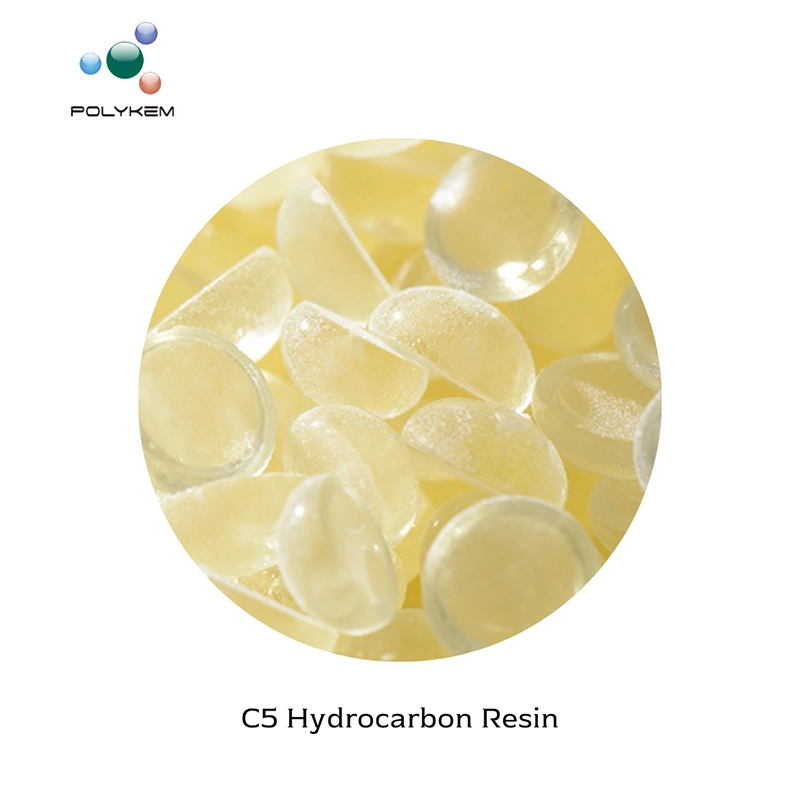
C5 Hydrocarbon Resin is a type of aliphatic petroleum resin widely used in various industrial applications. Produced from C5 fraction hydrocarbons through polymerization, these resins are known for their excellent adhesive properties, compatibility with rubbers and plastics, and cost-effectiveness. Polykem, a trusted supplier, has been providing high-quality C5 hydrocarbon resins that meet rigorous industrial standards.
The production of C5 Hydrocarbon Resin involves the polymerization of C5 fraction hydrocarbons under controlled conditions. Below is an overview of the process:
Polykem ensures the consistency and high performance of its C5 hydrocarbon resins by maintaining stringent quality control measures throughout the production process.
C5 hydrocarbon resins are valued for their unique combination of physical and chemical properties. The table below summarizes their key characteristics:
| Property | Specification | Typical Value |
|---|---|---|
| Softening Point | 80–105°C | 95°C |
| Color (APHA) | 20–60 | 35 |
| Acid Value | ≤5 mg KOH/g | 3 mg KOH/g |
| Compatibility | Rubbers, resins, coatings | Excellent |
| Viscosity (25°C) | 100–500 mPa·s | 250 mPa·s |
C5 hydrocarbon resins are highly versatile and widely used in several industries. Some of the primary applications include:
Utilizing C5 Hydrocarbon Resin in industrial processes offers several advantages:
The demand for C5 Hydrocarbon Resin has been growing steadily due to increasing applications in adhesives, coatings, and rubber products. Key market trends include:
Q1: What is the difference between C5 and C9 hydrocarbon resins?
A1: C5 resins are aliphatic and have better compatibility with rubbers and adhesives, while C9 resins are aromatic and are more suitable for coatings and inks.
Q2: Can C5 hydrocarbon resin be used in hot melt adhesives?
A2: Yes, C5 hydrocarbon resin is an ideal tackifier for hot melt adhesives, enhancing tack, bond strength, and processability.
Q3: Is Polykem’s C5 hydrocarbon resin available in different grades?
A3: Yes, Polykem offers various grades tailored for specific applications, including adhesives, rubber, and coatings.
Q4: How should C5 hydrocarbon resin be stored?
A4: Store in a cool, dry place away from direct sunlight to maintain stability and prolong shelf life.
In conclusion, C5 Hydrocarbon Resin is a versatile and essential material widely used in adhesives, coatings, rubber, and other industrial applications. Polykem ensures high-quality production standards, providing consistent and reliable products for various industrial needs. For inquiries or to source premium C5 hydrocarbon resin, contact us today to learn more and discuss tailored solutions for your manufacturing requirements.